

No strict diet. No gym. No complicated routine.
Just a small change to your morning coffee that’s helping people
drop weight and feel more energized without trying.
As we gracefully navigate our 30s and beyond, maintaining a robust immune system becomes paramount. It’s not just about avoiding illness; it’s about thriving in every aspect of our lives. So, let’s make immune support a part of our wellness routine. Here’s a mini workout for your immune system inspired by nutritionists, packed with practical tips you can easily integrate into your daily life.
Why Immune Support Matters
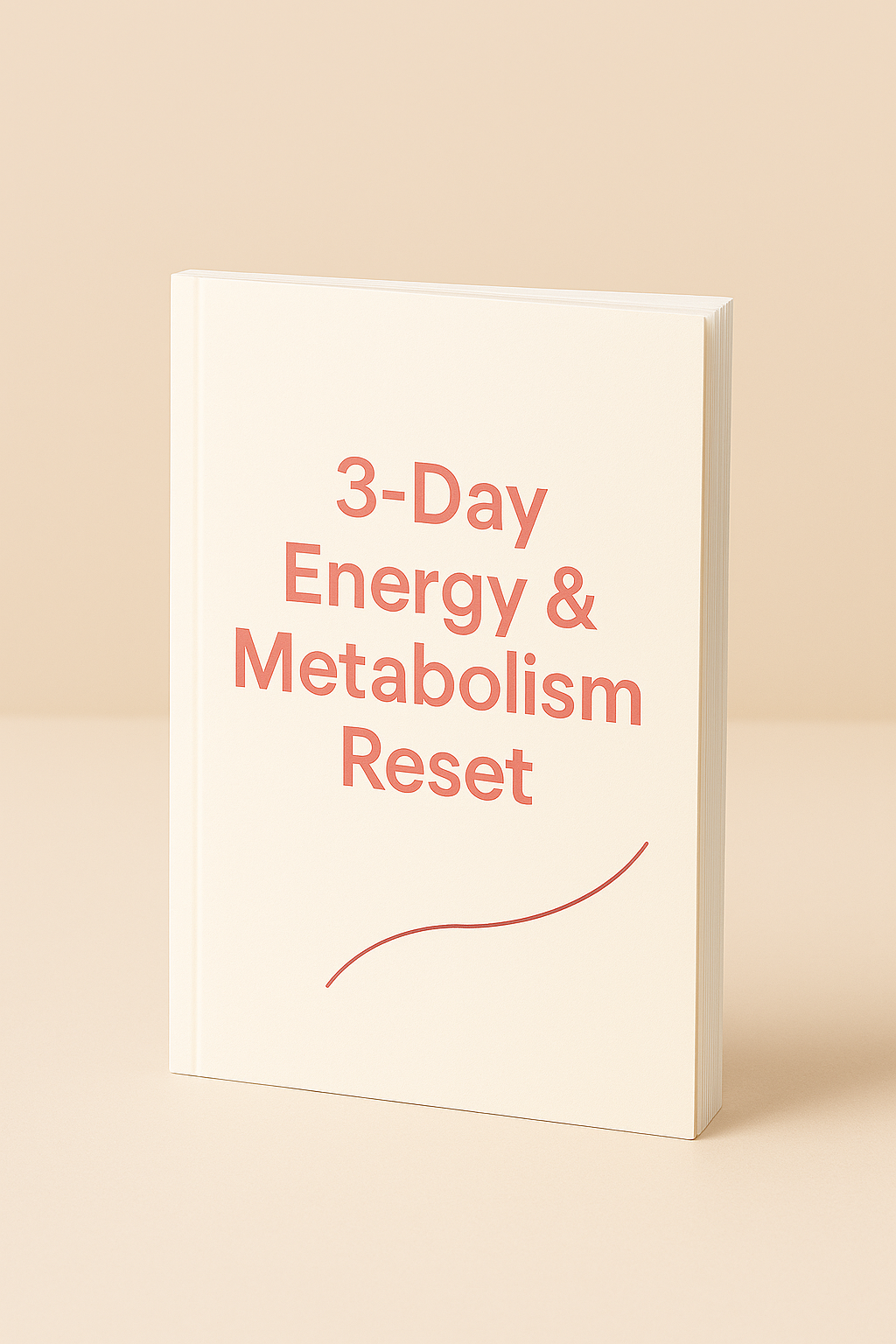
3-Day Energy & Metabolism Reset
Grab the 3-Day Energy & Metabolism Reset — a quick-start guide to feel lighter, more energized, and back in control.
Before diving into the tips, let’s take a moment to understand why supporting our immune system is crucial. As we age, our body’s resilience can diminish. Stress, lack of sleep, and poor nutrition can all play a part in weakening our defenses. By prioritizing our immune health, we empower ourselves to stay vibrant, energized, and ready to tackle whatever life throws our way.
Blood flow, stamina, and natural drive all start dropping — quietly.
And once it starts, it usually keeps getting worse unless you fix it.
Quick Check-In: Assess Your Current Lifestyle
- Diet: Are you incorporating a variety of fruits and vegetables?
- Hydration: Are you drinking enough water daily?
- Sleep: Are you getting 7-9 hours of quality sleep?
- Stress Management: Do you have a routine to manage stress?
Let’s Get to the Tips!
1. Eat a Rainbow
Why it Matters: Different colors in fruits and veggies provide different nutrients.
Action Steps:
- Aim for at least 5 servings of various colorful fruits and vegetables each day.
- Think reds (tomatoes, strawberries), greens (spinach, broccoli), and oranges (carrots, sweet potatoes).
Mini Checklist:
- [ ] 1 red fruit/veggie
- [ ] 1 green fruit/veggie
- [ ] 1 orange fruit/veggie
- [ ] 2 other colors
2. Stay Hydrated
Why it Matters: Hydration supports every cell in your body, including your immune cells.
Action Steps:
- Aim for at least 8 glasses of water daily.
- Infuse your water with lemon, mint, or berries for flavor.
Zara says: “Hydration is the unsung hero of wellness; give it the spotlight it deserves!”
3. Prioritize Sleep
Why it Matters: Quality sleep helps your body repair and regenerate.
Action Steps:
- Set a consistent sleep schedule.
- Create a calming bedtime routine (think reading, meditation, or gentle stretching).
Mini Checklist:
- [ ] Sleep at least 7 hours
- [ ] Wind down 1 hour before bed
- [ ] Limit screen time before sleep
4. Incorporate Probiotics
Why it Matters: Gut health is closely linked to immune function.
Action Steps:
- Include foods like yogurt, kefir, sauerkraut, or kimchi in your diet.
- Consider a daily probiotic supplement after consulting with a nutritionist.
5. Limit Processed Foods
Why it Matters: Highly processed foods can increase inflammation.
Action Steps:
- Focus on whole foods: think grains, legumes, nuts, and seeds.
- Try to cook at home more often to control ingredients.
6. Get Moving
Why it Matters: Regular exercise boosts circulation and immune function.
Action Steps:
- Aim for at least 150 minutes of moderate exercise each week.
- Mix it up: try yoga, walking, dancing, or strength training.
Mini Checklist:
- [ ] 30 mins of exercise at least 5 days a week
- [ ] Try a new activity this week
7. Snack Smart
Why it Matters: Healthy snacks can keep your energy levels stable and your body nourished.
Action Steps:
- Opt for nuts, seeds, fruits, or veggies with hummus instead of chips or candy.
- Prepare snacks in advance to avoid reaching for unhealthy options.
8. Manage Stress
Why it Matters: Chronic stress can weaken your immune system.
Action Steps:
- Practice stress-reducing activities like meditation, deep breathing, or journaling.
- Take breaks throughout your day to recharge.
Mini Checklist:
- [ ] 5 minutes of meditation daily
- [ ] A short walk to clear your mind
9. Add Herbs and Spices
Why it Matters: Many herbs and spices have anti-inflammatory and antioxidant properties.
Action Steps:
- Incorporate garlic, ginger, turmeric, and oregano into your meals.
- Try making herbal teas with fresh herbs.
10. Limit Alcohol Intake
Why it Matters: Excessive alcohol can impair immune function.
Action Steps:
- Set a limit for yourself, such as no more than one drink per day.
- Explore non-alcoholic beverages for social occasions.
11. Engage in Social Connections
Why it Matters: Strong relationships can help reduce stress and enhance immune health.
Action Steps:
- Schedule regular catch-ups with friends or family, even if virtually.
- Join clubs or groups with shared interests to expand your social circle.
12. Practice Mindfulness
Why it Matters: Mindfulness can help reduce stress and increase overall well-being.
Action Steps:
- Incorporate mindfulness exercises into your routine, such as yoga or tai chi.
- Dedicate a few moments each day to practice gratitude and reflection.
13. Limit Sugar Intake
Why it Matters: High sugar consumption can lead to inflammation and weaken your immune response.
Action Steps:
- Read labels and aim to reduce added sugars in your diet.
- Satisfy sweet cravings with fruits instead of desserts.
14. Get Some Sunshine
Why it Matters: Sunlight is a natural source of Vitamin D, crucial for immune health.
Action Steps:
- Spend at least 15-20 minutes outdoors daily, preferably in the morning.
- Consider a Vitamin D supplement if you’re in a region with limited sunlight.
15. Stay Up-to-Date with Health Screenings
Why it Matters: Regular check-ups can help you catch potential issues early.
Action Steps:
- Schedule annual wellness visits with your healthcare provider.
- Discuss any concerns you may have regarding your immune health.
Final Thoughts
Supporting your immune system is an ongoing journey, not a one-time sprint. By incorporating these nutritionist-inspired tips into your daily routine, you can create a solid foundation for your health and well-being. Remember, it’s all about balance—small, consistent changes can lead to significant improvements over time.
Mini Checklist for Your Immune Workout
- [ ] Eat a variety of colorful fruits and veggies daily.
- [ ] Hydrate with at least 8 glasses of water.
- [ ] Prioritize 7-9 hours of sleep each night.
- [ ] Move your body with at least 150 minutes of exercise weekly.
- [ ] Engage in social connections regularly.
- [ ] Practice mindfulness and stress management daily.
Now, go ahead and embrace these immune support tips! You’ve got this!
Your health is an investment. Let’s make it count! 🌱
HepatoBurn: Gentle Support for Steadier Days
When you’re stacking real habits—protein-forward meals, steps, and 7–9 hours of sleep—HepatoBurn is a simple add-on that supports the system behind energy, appetite, and metabolic rhythm.
Why Women 30+ Use It
- Pairs with an already-solid routine—no jitters, no crash.
- Easy to remember: 2 capsules with meals.
- Plays well with protein, walking, and strength training.
How to Use
- Timing: Breakfast & lunch are easy wins.
- Consistency: Use daily for a fair assessment.
- Stacks: Protein-first plates, post-meal walks, lights-down wind-down.
What It Isn’t
- Not a stimulant and not a magic fix.
- Best used alongside habits you’ll actually keep.
- Educational only—talk to your provider before new supplements.
Important: Educational only, not medical advice. Supplements don’t diagnose, treat, cure, or prevent diseases. Talk to your provider before changes to diet, exercise, or supplements.
Why Not Make It Burn Fat Too?
This works with what you’re already doing every morning.
That’s why so many people are switching to this simple coffee add-in.



















