
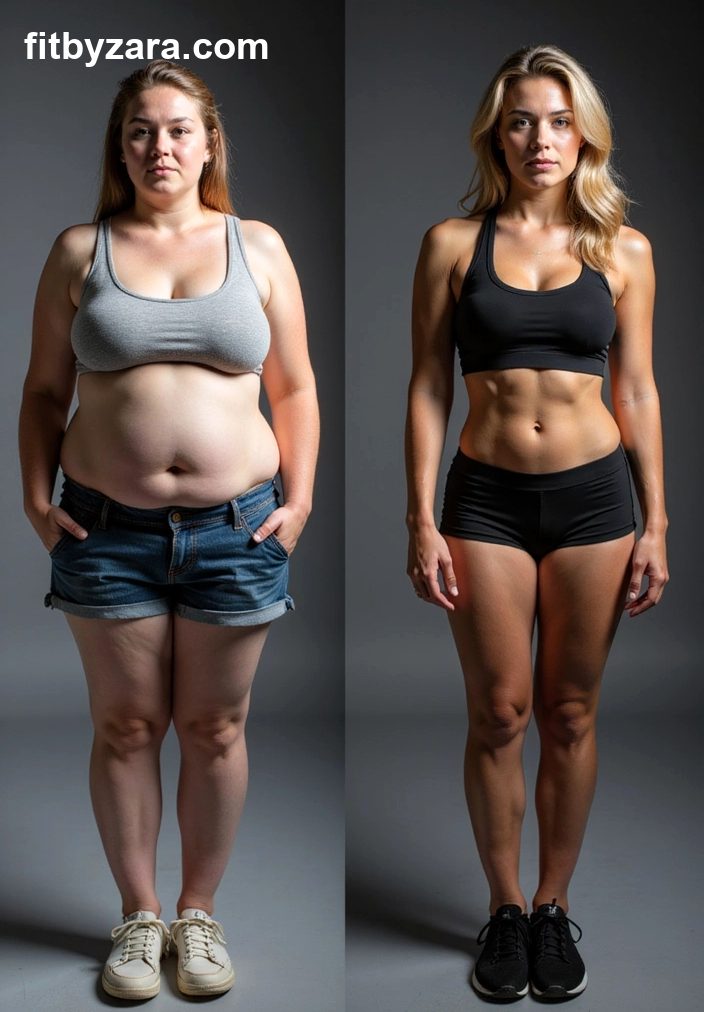
## Understanding the Journey to Fat Loss
For many women, the journey to fat loss can feel like a maze of conflicting advice, emotional turmoil, and, quite frankly, frustration. You may have joined the countless voices that shout loud and proud about the latest diet fads or extreme workout regimes, only to find that these approaches are often not sustainable. Instead, it’s time to embrace a more compassionate and holistic approach—one that recognizes that fat loss isn’t merely a numbers game.
When we talk about fat loss, it’s easy to get caught up in counting calories and obsessively tracking macros, but at the core of this journey is something deeper: how we feel about ourselves and the lives we lead every day. So, let’s explore what it means to adopt a gentle but effective method toward achieving your wellness goals.
## The Emotional Landscape of Fat Loss
### Recognizing Common Struggles
Have you ever found yourself feeling guilty after indulging in a piece of cake at a friend’s birthday party, only to spiral into a cycle of restriction afterwards? Many women face this emotional rollercoaster, often driven by societal pressures and personal insecurities. It’s understandable; we live in a world that consistently bombards us with images and messages that equate worth with appearance.
Recognizing your own emotional responses to food and body image is the first step in this compassionate approach. Instead of seeing food as a reward or a punishment, consider it a valuable source of nourishment and joy.
### The Role of Stress and Environment
Another challenge comes from our fast-paced lives. Balancing work, family, and personal time often leads to stress, which can manifest in cravings or unhealthy eating habits. This is where self-compassion plays a pivotal role. When stress levels rise, it’s not unusual to seek comfort in food—this is a natural human response. Acknowledging this without judgment can help you break the cycle of guilt and frustration.
Moreover, let’s not forget about the impact of aging and hormonal changes. Each phase of life brings its own set of challenges, and our bodies may respond differently to food and stress. It’s important to adapt our approach rather than holding onto past methods that no longer serve us.
## Building a Holistic View of Wellness
### Nourishment Over Restriction
What if you flipped the script on dieting? Instead of focusing on what you shouldn’t eat, consider what you can add to your plate. Incorporating colorful vegetables, whole grains, lean proteins, and healthy fats not only provides essential nutrients but also enhances your relationship with food.
Think of food as an opportunity to celebrate your body. Cooking meals that you enjoy and that nourish you can create a positive atmosphere around eating. Have you ever noticed how satisfying it feels to prepare a dish that’s both delicious and wholesome? This simple act can foster a sense of connection to what you consume.
### Movement that Feels Good
Rather than dreading the thought of a high-intensity workout, think about what types of movement bring you joy. Whether it’s a gentle yoga session, a leisurely walk in the park, or dancing in your living room, finding joy in movement encourages consistency. This is where real progress lies—not in the hours spent in a gym, but in the little moments where you choose to move because it brings you happiness.
## The Science of Balance
### Understanding Metabolism and Hormones
Our metabolism is not merely a simple equation of calories in versus calories out. It’s influenced by a myriad of factors—including age, hormonal changes, and even stress levels. Understanding this complexity allows for a kinder view of the weight loss journey.
For instance, during times of hormonal fluctuations—like before your period or during menopause—your body may respond differently to food and exercise. It’s essential to be patient and kind to yourself during these periods instead of pushing through with extreme measures that often lead to burnout.
### Creating Consistency Through Realistic Goals
Rather than setting lofty, unattainable goals, focus on small, manageable changes. The key to long-term results lies in consistency rather than intensity. Perhaps you decide to add one extra serving of vegetables to your meals each week or commit to a 10-minute walk a few times a week. These incremental adjustments can lead to significant changes over time, transforming your relationship with food and exercise in a sustainable way.
## Embracing Progress Over Perfection
As you navigate your journey, remember that perfection is an unrealistic standard. Embracing progress, however, allows you to celebrate small victories along the way. Did you choose a nourishing breakfast instead of a sugary one? That’s a win! Did you skip the treadmill because you opted for a dance class instead? Celebrate that choice!
The path to fat loss and wellness isn’t a straight line—it’s a winding road filled with ups and downs. Each step you take toward a more compassionate approach enriches not only your physical health but your emotional well-being as well.
As you move forward, remind yourself that you are not alone in this journey. Many women share similar experiences, and the quest for balance is universal. Be kind to yourself, and keep in mind that it’s not about drastic changes but about creating a lifestyle that feels nourishing and fulfilling.
In closing, let your mantra be consistency over intensity. Progress is a beautiful journey, and every small step taken with compassion leads you closer to the vibrant wellness you deserve. Embrace the process, celebrate your uniqueness, and trust that you are exactly where you need to be.



















