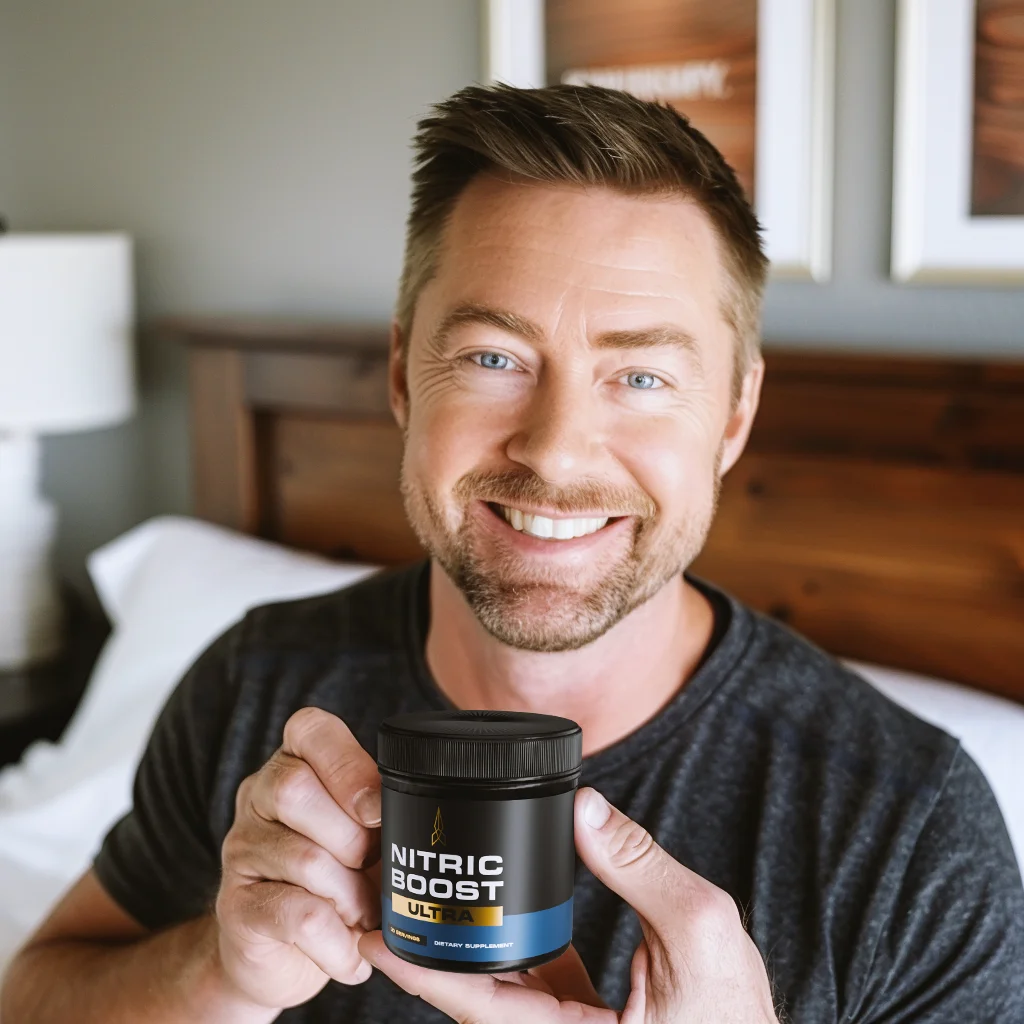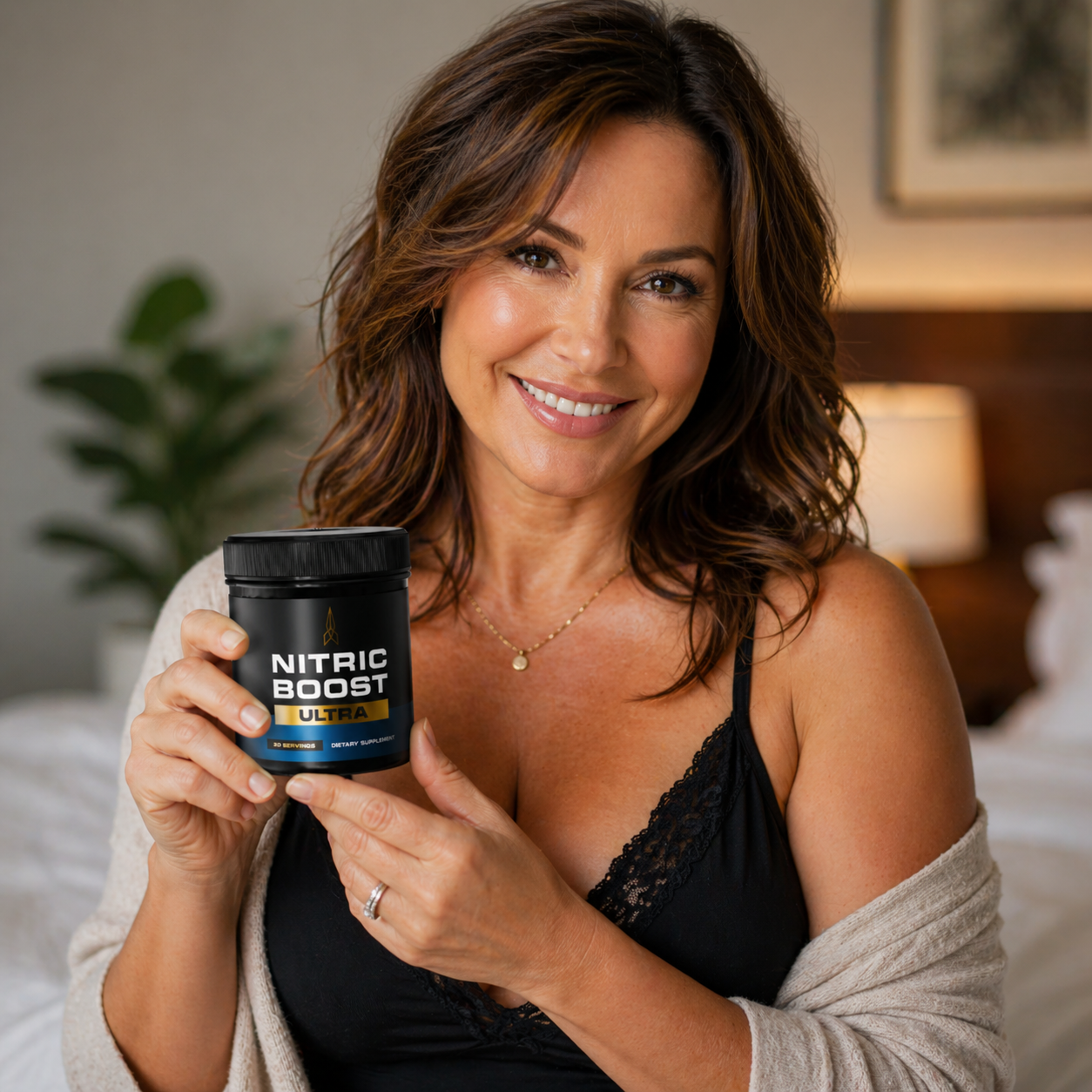
 MEN OVER 40
 WATCH THE VIDEO


The Dance of Hormones in Our Lives
As women, we often find ourselves navigating the complex world of hormonal changes. From the fluctuations associated with our menstrual cycles to the profound shifts that accompany pregnancy, menopause, and everything in between, understanding these changes can feel overwhelming. It’s easy to feel like our hormones are the puppeteers of our moods, energy levels, and even how we perceive our own bodies. But what if I told you that making sense of these natural processes could empower you, allowing you to take control of your wellness journey?
What Are Hormones, Anyway?
At their core, hormones are chemical messengers produced by glands that regulate various functions in our bodies. They help control things like metabolism, mood, and even our reproductive systems. Think of them as the conductors in an orchestra, ensuring that every instrument plays in harmony. But, just like any orchestra, sometimes things can get a little out of tune.
For many women, hormonal fluctuations can bring about a host of emotions and physical sensations that feel like they’re constantly shifting. This is often rooted in how our bodies respond to the natural cycles of life, influenced by factors like stress, diet, sleep, and lifestyle. Recognizing that these changes are normal can be the first step in taking proactive steps toward feeling more balanced.
The Impact of Stress on Hormonal Harmony
Let’s face it. Life can be stressful. Juggling work, family, and personal commitments can leave us feeling frazzled. Stress, both acute and chronic, can play a significant role in how our hormones behave. When we experience stress, our bodies produce cortisol, often referred to as the “stress hormone.” While cortisol is essential for our survival, elevated levels can wreak havoc on other hormones, leading to weight gain, fatigue, and mood swings. Have you ever noticed that when you’re particularly stressed, you might crave unhealthy foods or feel too tired to engage in your favorite activities?
Recognizing the link between stress and hormonal imbalances can be a game changer. It’s not about eliminating stress entirely—let’s be real, that’s impossible. Instead, consider small, manageable ways to incorporate stress-reduction techniques into your daily routine. Simple practices like mindful breathing, gentle yoga, or even a quick walk outdoors can help reset your mind and body. Making these habits a part of your day can gradually lead to a more balanced hormonal landscape.
Understanding the Cycle of Life
From our teenage years to menopause, our hormones ebb and flow in ways that can feel unpredictable. Many women experience mood swings, bloating, or fatigue during their menstrual cycles, which can be frustrating. Instead of viewing these experiences as mere inconveniences, try to see them as part of a natural rhythm. Tracking your cycle can provide insights into your body’s patterns, helping you predict when you might need a little extra self-care or support.
For example, during the luteal phase, when progesterone levels rise, some women may feel more tired or emotionally sensitive. Understanding this can help you plan your activities, allowing for rest when your body is signaling for it. This isn’t about surrendering to your cycle, but rather about working in tandem with it. By aligning your lifestyle with your hormonal rhythms, you can reduce frustration and foster a sense of empowerment.
Age and Its Influence
Aging brings its own unique set of hormonal changes. Many women start to notice significant shifts as they approach their late 30s and early 40s, leading into perimenopause and menopause. These transitions can be confusing and intimidating. But remember, this is a natural part of life, just as puberty was. Each stage has its own challenges and triumphs.
Instead of fearing these changes, consider embracing them. This is the time to focus on nurturing your body through nutritious foods, regular physical activity, and adequate rest. Lean into practices that make you feel vibrant, whether it’s trying new hobbies or reconnecting with passion projects that have been sidelined. Each step you take toward self-care will serve you well as you navigate these transformative years.
The Power of Lifestyle Choices
Your daily choices can significantly impact your hormonal health. It’s not about strict diets or intense workout regimens but rather creating a balanced and sustainable lifestyle that honors your body’s needs. Whole foods, rich in vitamins and minerals, can support your hormonal balance. Incorporating plenty of fruits, vegetables, healthy fats, and proteins into your meals can help lay a foundation for better overall wellness.
Additionally, consider your hydration levels. Water is essential for every cell in your body, including hormone production. It’s amazing how something as simple as drinking enough water can make such a difference in how you feel day-to-day.
Mindfulness over Perfection
As you begin to implement changes, remember that it’s the small, consistent actions that lead to lasting results. Perfection isn’t the goal—progress is. You might not notice a transformation overnight, and that’s perfectly okay. Aiming for balance doesn’t mean you never indulge or skip a workout. It means finding a rhythm that feels right for you, where you can ebb and flow with the changes life brings.
Closing Thoughts: Embrace Your Journey
As you navigate the realities of hormonal changes, be gentle with yourself. Recognize that it’s a journey, one that many women are on, and you are not alone. The more you understand your body and its rhythms, the more equipped you will be to foster a sense of balance and well-being.
Empower yourself with knowledge, lean into supportive practices, and allow your body the grace it deserves. Remember, it’s not about quick fixes or extremes, but about cultivating a lifestyle that honors who you are and how you want to feel. You are capable of creating the harmony you seek, one small step at a time.
So take a deep breath, embrace the journey, and trust in your ability to thrive through every phase of life.