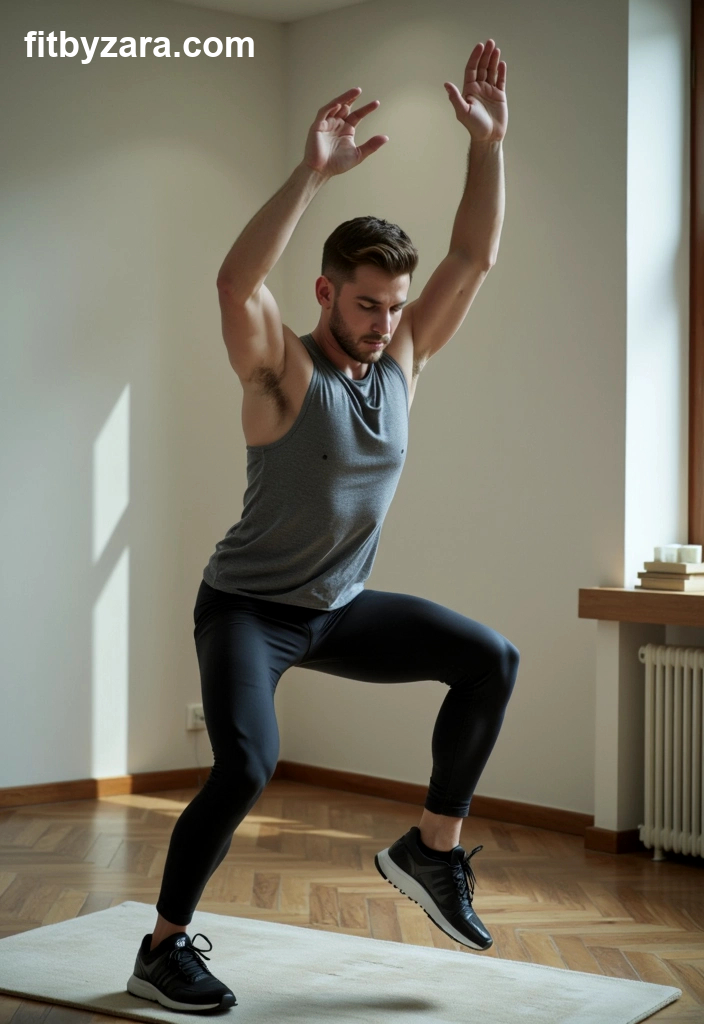
Understanding Women’s Wellness
Women’s wellness is a multifaceted topic that encompasses physical health, mental well-being, emotional balance, and the intricate dance between these elements throughout various life stages. Staying informed about women’s health issues, recognizing common misunderstandings, and addressing them with accurate information is vital for anyone aiming to enhance their overall wellness. In this article, we will explore common wellness concerns, delve into the reasons behind them, and provide actionable insights to encourage a balanced and healthy lifestyle.
The Importance Of Hormonal Balance
Hormonal fluctuations are a natural part of a woman’s life, impacting everything from mood and energy levels to metabolism and overall health. These fluctuations occur due to various factors, including menstrual cycles, pregnancy, menopause, and even stress. Understanding how hormones influence physical and mental health can reduce anxiety around the changes that women experience.
Many women are under the misconception that hormonal imbalances only occur during significant life events or transitions. However, everyday stressors can lead to hormonal irregularities that significantly impact well-being. High levels of cortisol, the stress hormone, can interfere with the balance of estrogen and progesterone, leading to issues such as weight gain, mood swings, and irregular periods. Recognizing that stress directly affects hormonal health is crucial for embracing a proactive approach toward wellness.
Moreover, hormonal changes can affect metabolism. When the body experiences stress, it can enter a state of fight-or-flight, slowing metabolic processes in favor of immediate energy needs. This response can lead to a feeling of fatigue and lethargy, making it harder to engage in regular physical activity and maintain a healthy diet. Women must be aware of these influences on their bodies to make informed choices that support hormonal balance.
Nourishment And Balanced Nutrition
Nutrition plays a pivotal role in women’s wellness, yet many misconceptions persist regarding what constitutes a healthy diet. Popular diets often promote extreme restrictions or emphasize one food group over another, leading to confusion and frustration. The reality is that balanced nutrition is about moderation, variety, and understanding one’s unique needs.
Women’s nutritional requirements can vary throughout different life stages. For instance, during reproductive years, women may need more iron and calcium to support menstruation and bone health. During pregnancy and lactation, the need for protein and essential vitamins increases significantly. It’s essential to recognize that a one-size-fits-all approach does not apply to nutrition. Tailoring dietary choices based on individual needs, lifestyle, and health conditions is key to long-term wellness.
Another common misunderstanding revolves around metabolism. Many women struggle with weight management and often blame their slow metabolism. While it’s true that metabolic rates can differ among individuals, factors such as muscle mass, age, and hormonal balance play a significant role in determining metabolism. Regular strength training can help boost muscle mass, resulting in a more efficient metabolic rate. Additionally, small, frequent meals can help stabilize blood sugar levels, providing a steady source of energy throughout the day.
Exercise: Finding Your Rhythm
Physical activity is another cornerstone of women’s wellness, yet many women feel overwhelmed by the pressure to pursue intense workout regimens. Commonly, women perceive that more vigorous exercise is the only way to achieve results, leading to burnout or injury. In reality, finding an exercise routine that feels enjoyable and sustainable is crucial for long-term health.
The key to successful exercise is discovering what works for you. This means listening to your body, acknowledging your energy levels, and recognizing the importance of rest and recovery. Incorporating a mix of cardiovascular, strength, and flexibility exercises can provide comprehensive benefits without leading to overexertion. Remember, consistency trumps intensity when it comes to achieving fitness goals.
Another layer to consider is the psychological impact of exercise. Physical activity releases endorphins, which can reduce stress and elevate mood. However, if exercise becomes a chore or a source of anxiety, it can negate these positive effects. Finding your rhythm is about embracing movement that feels fulfilling, whether it’s a dance class, hiking with friends, or simply taking a daily walk in nature.
Coping With Stress: The Role Of Mindfulness
Stress management is another critical component of women’s wellness that cannot be overlooked. The pace of modern life, combined with societal expectations and personal responsibilities, often leads to chronic stress. Most women are familiar with the feeling of being pulled in many directions, which can lead to feelings of overwhelm and anxiety.
Many misunderstandings surround stress and coping mechanisms. Some women believe that coping with stress means simply powering through—ignoring the feelings of exhaustion or anxiety. However, effective stress management requires acknowledging and addressing these feelings rather than suppressing them. Incorporating practices such as mindfulness, meditation, or even simple breathing exercises can help ground women, allowing them to cultivate a sense of calm amidst chaos.
Mindfulness practice can take many forms, from quiet meditation to being present while enjoying a cup of coffee in the morning. This quiet coffee-based habit can be a ritual that encourages relaxation and reflection. As you savor your coffee, take a moment to breathe deeply and appreciate the aroma and flavors. Use this time to set positive intentions for your day or to simply enjoy a moment of peace. Such small rituals can profoundly impact overall well-being.
Integrating Supplements Wisely
As women prioritize their wellness, supplements often come into play. The market offers an overwhelming number of products, making it easy to fall into the trap of believing that supplements alone can provide all the necessary health benefits. However, it’s essential to approach supplementation with discernment and an understanding of individual needs.
Certain supplements can support specific wellness goals. For instance, vitamin D and calcium are vital for bone health, especially as women age. Omega-3 fatty acids can promote heart health and cognitive function. When considering supplements, it’s crucial to consult with a healthcare professional to identify deficiencies and avoid potential interactions with medications or existing health conditions.
One product that has gained attention in the wellness community is Java Burn. This supplement is designed to be added to coffee and aims to enhance metabolic support. While it may offer benefits for some, it is essential to remember that no supplement can replace a balanced diet and healthy lifestyle.
Grounding Yourself In Self-Care
Ultimately, the journey to women’s wellness is a personal and ongoing process. Self-care practices are critical in maintaining a healthy balance across physical, mental, and emotional domains. This includes recognizing when to rest, seeking support from loved ones, and not hesitating to reach out to professionals when needed.
Self-care can take many forms, from indulging in a relaxing bath to engaging in hobbies that bring joy. It is about prioritizing oneself without guilt and creating a sustainable routine that incorporates both nourishment and enjoyment.
In conclusion, women’s wellness is a holistic journey that requires understanding the interplay between various factors such as hormonal balance, nutrition, exercise, stress management, and self-care. By dispelling common misconceptions and embracing a personalized approach, women can cultivate a lifestyle that promotes health, happiness, and resilience. Remember, you are not alone on this journey, and it is never too late to make positive changes that support your well-being. Embrace the process, and trust that you have the power to shape your wellness journey.
Related: Understanding Hidden Fatigue: Revitalizing Your Metabolism After 30
Related: Understanding Metabolism After 30: Embracing Slow Mornings for Lasting Wellness
Related: Understanding the Role of Coffee in Metabolism After 30: What Women Need to Know