


The Dynamics of Aging and Recovery
As men enter their mid-30s and beyond, many notice changes in their bodies that are hard to ignore. Workouts that once left them feeling energized can now lead to prolonged fatigue. Recovery from physical exertion seems less swift, and a creeping sense of sluggishness pervades daily life. This shift can be both frustrating and perplexing. Why does it take longer to bounce back from an intense workout or a late night out? Understanding the influence of aging can shed light on these experiences, unraveling the physiological changes at play while providing practical insights into managing recovery.
The Biological Landscape of Aging
As we age, our bodies undergo a series of changes that affect metabolism, muscle composition, and overall recovery. After years of engaging in physical activity, the human body begins to lose muscle mass—a process known as sarcopenia. Starting as early as the mid-30s, muscle fibers begin to diminish in number and size, which directly impacts strength and endurance. This loss isn’t simply about vanity; it’s tied to metabolic health. With less muscle, our resting metabolic rate decreases, making it easier to gain weight, especially around the abdominal area, and harder to shed it.
Metabolism and Recovery
Metabolism is not just about how we burn calories; it influences how we recover after exertion. A slower metabolic rate can mean that nutrients are not delivered to muscles as efficiently after exercise, prolonging recovery time. Coupled with decreased muscle mass, this slowdown can lead to feelings of fatigue, brain fog, and reduced performance. If you’ve found yourself struggling to recover as quickly as you once did, it’s not just in your head—it’s a natural consequence of aging. But understanding this helps frame the problem: how do you adapt your recovery strategies to meet these changes?
Lifestyle Factors That Exacerbate Recovery Time
Beyond biological changes, numerous lifestyle factors can influence recovery time as we age. Take stress, for instance. Chronic stress can lead to increased levels of cortisol, a hormone that, when elevated, can hinder recovery and contribute to fat gain, particularly around the midsection. Stress management techniques such as mindfulness, regular physical activity, or even simple breathing exercises may mitigate some of these effects.
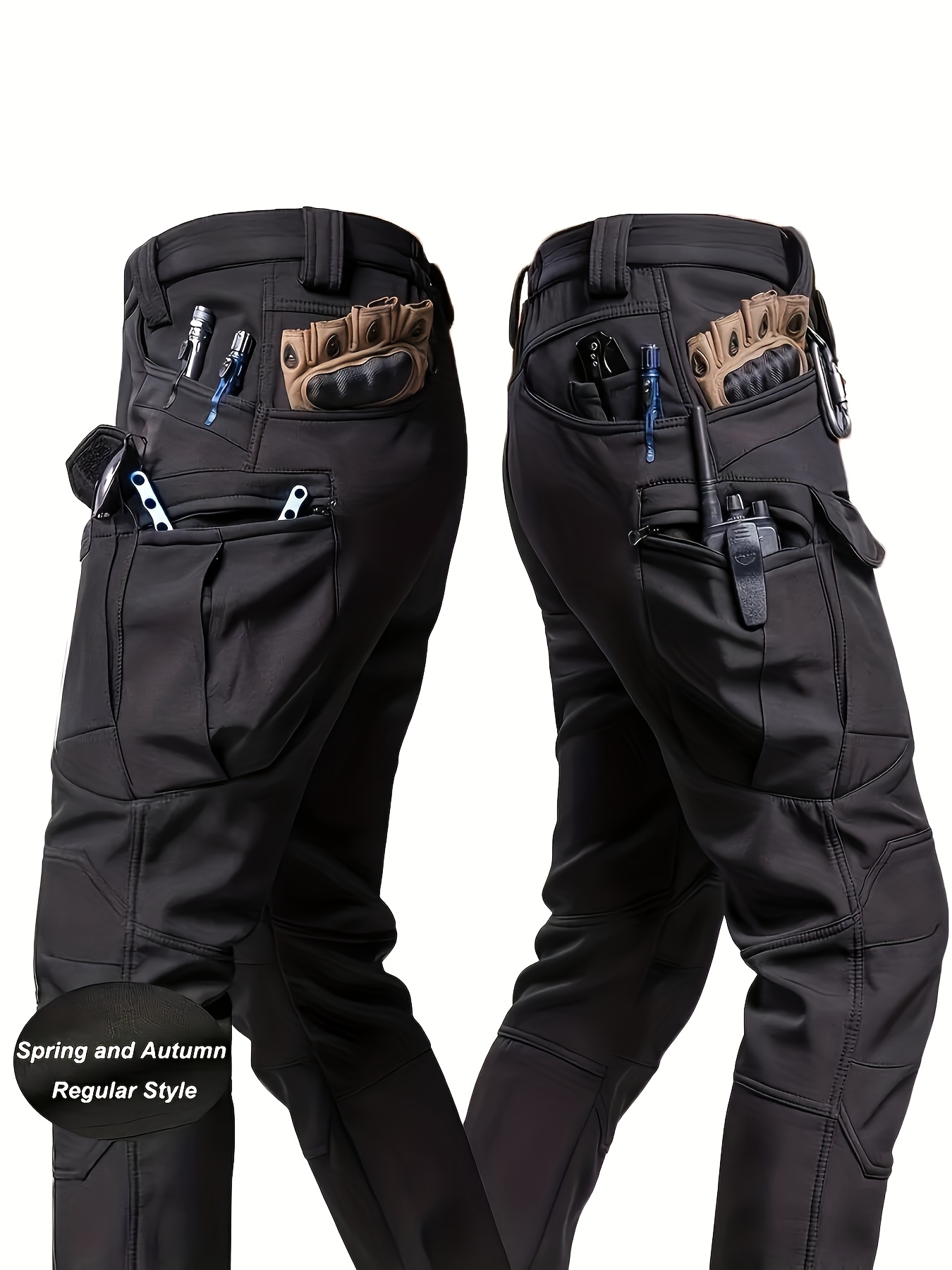
6 Temu Finds Men Are Grabbing Right Now
Temu is currently showing these products as $0 gifts for eligible app users with qualifying orders. Tap any item below to check the current offer.





The Role of Sleep
Then there’s sleep, often cited as a cornerstone of recovery, yet frequently neglected by many. Quality sleep is crucial for muscle repair, mental clarity, and overall well-being. As men age, sleep patterns can become disrupted, contributing to feelings of fatigue and decreased motivation. It’s worth examining your nightly routine and considering changes that might enhance sleep quality—such as limiting screen time before bed or establishing a consistent sleep schedule.
Desk Work and Its Effects
Many men find themselves in jobs that require extended periods of sitting, which can weaken muscles and negatively impact posture. This sedentary lifestyle often feeds into a cycle of discomfort and reduced activity. To combat this, integrating brief physical activity throughout the day can stimulate circulation and help maintain muscle function, thereby aiding recovery. Every small movement counts and can lead to noticeable improvements over time.
Alcohol Consumption and Recovery
Another factor to consider is alcohol. While a glass of wine or a beer can be enjoyable, frequent consumption can impede recovery. Alcohol can disturb sleep patterns, dehydrate the body, and even interfere with muscle protein synthesis—important processes for recovery. Being mindful of your drinking habits could lead to more significant benefits in how you feel post-workout and throughout your daily life.
Taking Control of Your Recovery
Now that we’ve unpacked some of the physiological and lifestyle factors affecting recovery time, the question becomes: what can you do about it? The answer lies in gradual, consistent adjustments rather than drastic lifestyle overhauls. Simple changes can make a substantial difference over time. It’s about reclaiming momentum, not overwhelming yourself with lofty goals.
Emphasizing Performance Over Aesthetics
When approaching recovery, focus on performance and metabolic health rather than solely appearance. This shift in mindset can lead to more sustainable outcomes. For instance, resistance training that prioritizes muscle maintenance can aid in combating sarcopenia, while incorporating cardiovascular activities can enhance overall metabolic function. Pay attention to how these adjustments influence your energy levels, cognitive function, and mood. Recovery is not just about waiting for muscle soreness to fade; it’s about creating an environment supportive of your body’s natural healing processes.
Conclusion: Consistency Over Extremes
Ultimately, acknowledging the effects of aging doesn’t have to be a disheartening realization. Instead, it can serve as a catalyst for improvement. By adopting rational habits that suit your evolving body, you can enhance your recovery and, subsequently, your overall quality of life. Consistency is key. Small, deliberate changes to your routine can yield significant benefits over time. Remember, it’s not about drastic measures; it’s about finding balance and making adjustments that honor where you are now while setting the stage for where you want to go. Embrace this journey with patience, and you may find that recovery becomes a pathway to renewed strength, energy, and confidence.