


The Relationship Between Stress and Physical Performance
In the fast-paced world we live in, stress has become a common companion for many men. Whether it’s the demands of work, family responsibilities, or the weight of personal expectations, this chronic state of stress can significantly impact physical performance in ways that are often overlooked. If you’ve found yourself struggling with workouts, energy levels, or even your mental sharpness, it’s important to consider how stress plays a role in these experiences.
The Physiological Mechanisms of Stress
Understanding Stress Responses
When you encounter a stressful situation, your body activates the fight-or-flight response. This is a physiological reaction that prepares you to either confront the challenge or flee from it. As part of this response, your body releases hormones like cortisol and adrenaline. While these hormones are beneficial in short bursts—preparing you for immediate action—they can become detrimental when stress is chronic.
Prolonged exposure to elevated cortisol levels can lead to various physical issues. For instance, it can disrupt your metabolism, increase fat storage, and diminish muscle mass. Over time, this imbalance may explain why many men in their 30s to 60s notice shifts in their physique or struggle to maintain their previous levels of strength and endurance.
The Cognitive Connection
Stress doesn’t just affect your body; it profoundly impacts your brain as well. With elevated cortisol levels, you may experience cognitive challenges such as brain fog, difficulty concentrating, or reduced motivation. How often have you sat down to work out feeling mentally drained, only to find that your usual routine feels more daunting than it did a few years ago? This mental fatigue can impede your physical performance, leading to frustrating workouts where you don’t feel like your strongest self.
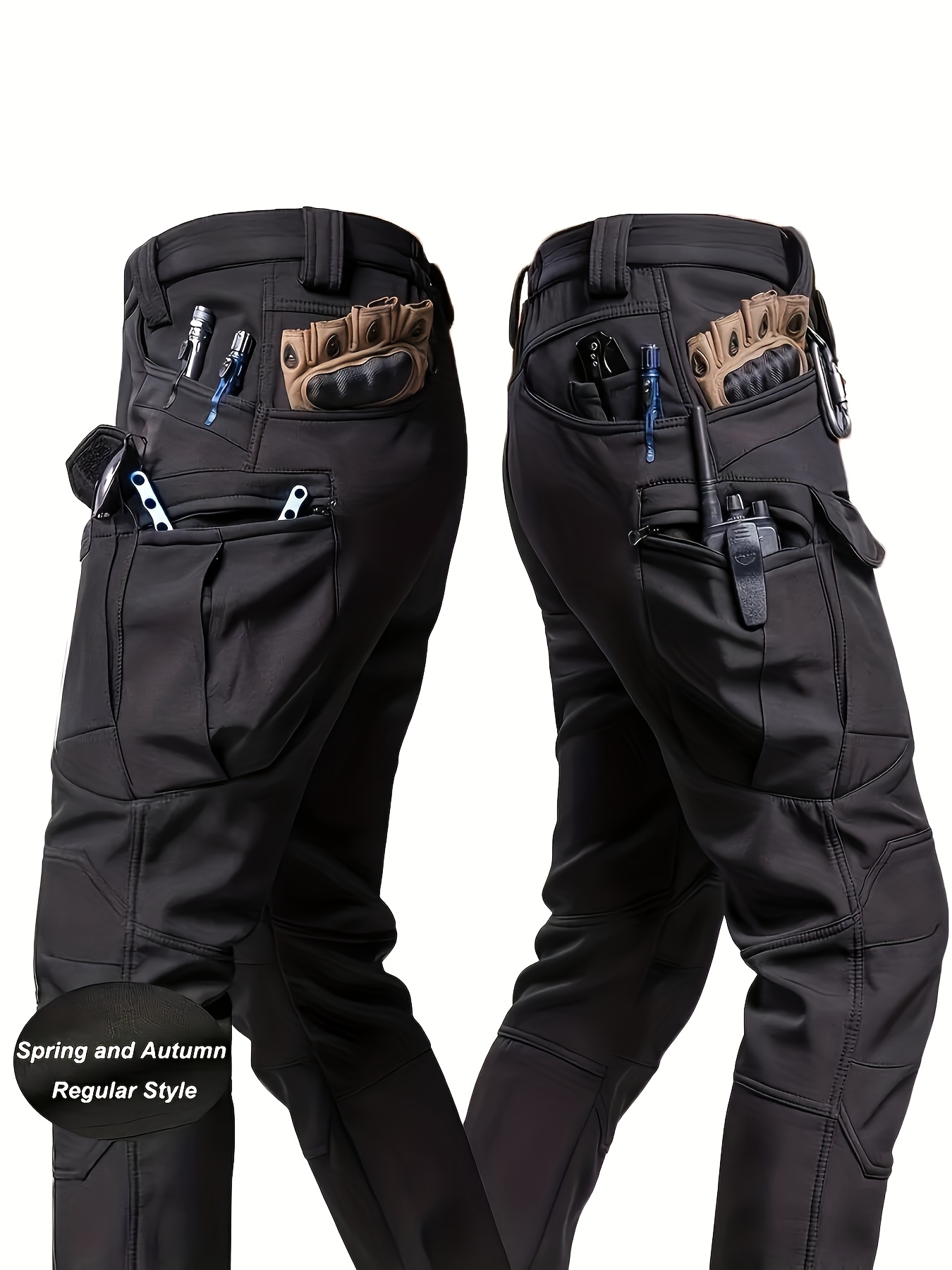
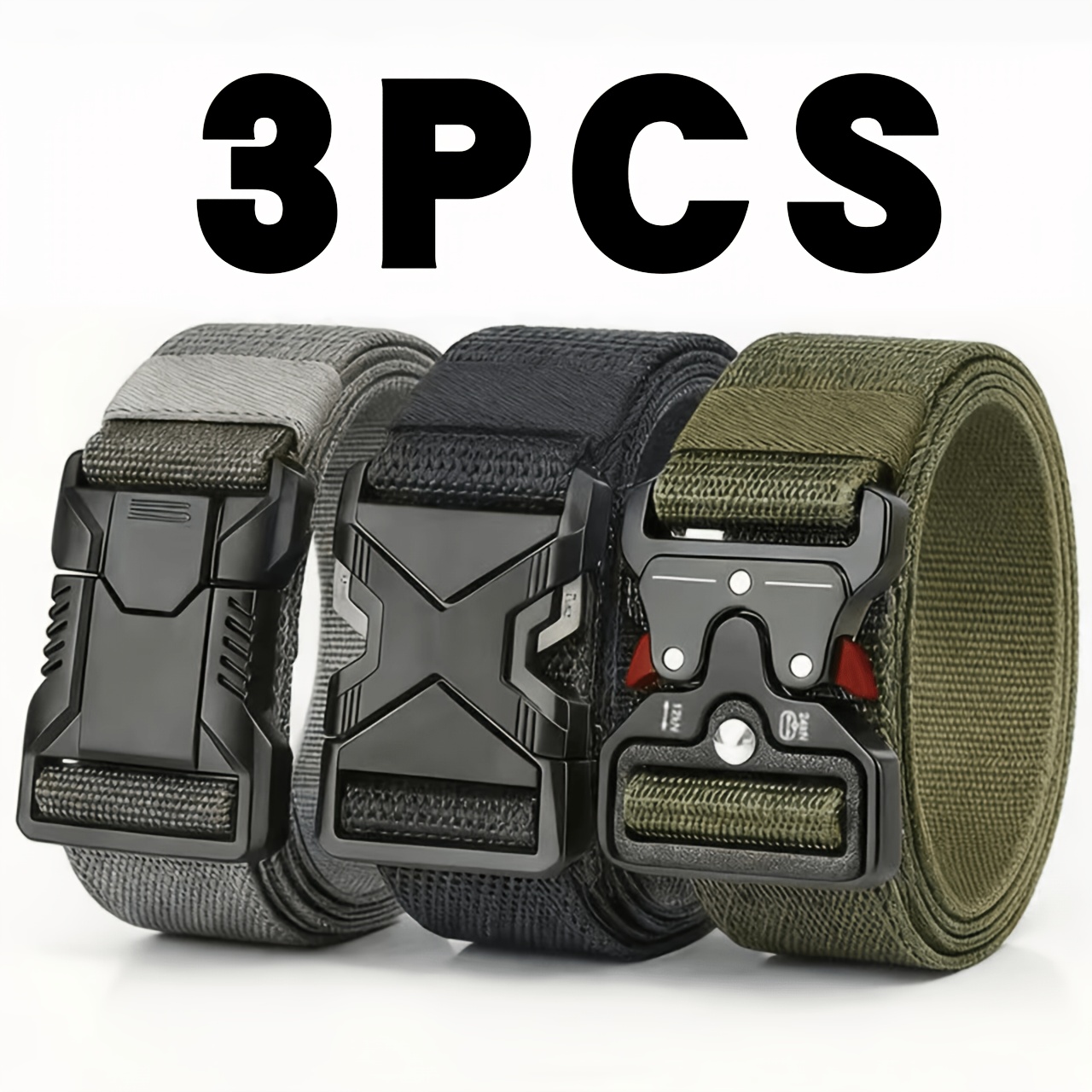
6 Temu Finds Men Are Grabbing Right Now
Temu is currently showing these products as $0 gifts for eligible app users with qualifying orders. Tap any item below to check the current offer.




Lifestyle Factors That Compound Stress
The Role of Sleep
Sleep is often the first casualty when stress levels rise. For many men, long hours at work or late-night responsibilities can cut into precious sleep time. Sleep deprivation exacerbates stress and, in turn, hinders recovery and performance. A lack of quality sleep impairs muscle repair, growth hormone production, and even your ability to metabolize glucose effectively. Have you ever noticed how difficult it becomes to push through a workout after a night of poor sleep? It’s not just in your head; your body is genuinely struggling due to the lack of rest.
Desk Work and Sedentary Lifestyles
For many, the modern work environment involves long hours at a desk. This sedentary lifestyle contributes to a range of issues, from tight muscles to reduced cardiovascular performance. Furthermore, prolonged sitting can heighten stress levels, further compounding the negative cycle. If you’ve been feeling sluggish or find that your workouts are slower and less intense, it might be time to evaluate how much time you spend sitting versus moving throughout the day.
Alcohol and Stress Relief
It’s common for men to reach for a drink as a way to unwind at the end of the day. While an occasional drink can indeed help you relax, excessive alcohol consumption can disrupt sleep patterns and worsen stress responses. This creates a feedback loop that can impair recovery, increase fat gain, and lead to diminished performance in the gym. If you find yourself relying on alcohol to cope with stress, it’s worth considering healthier alternatives that support both mental and physical well-being.
Confronting Common Male Frustrations
Belly Fat and Slower Workouts
Many men experience an increase in belly fat as they age, often attributing it to a slowing metabolism or lack of drive. However, the influence of stress and lifestyle choices plays a significant role in this change. In fact, elevated cortisol levels can promote fat storage in the abdominal area, making it more challenging to achieve a leaner physique. Coupled with the fatigue from mental stress, it’s no surprise that many feel their workouts are less effective than they used to be.
Brain Fog and Low Drive
Brain fog often accompanies stress and fatigue, leading to feelings of confusion and decreased motivation. You may find it harder to focus on tasks or feel less inclined to engage in physical activity, creating a cycle of inactivity and frustration. Low drive can extend beyond physical performance, impacting your relationships and overall quality of life. It’s essential to address these cognitive elements alongside physical ones to reclaim a sense of vitality.
Reclaiming Your Momentum
Understanding the relationship between stress and physical performance doesn’t have to feel overwhelming. While it may seem daunting to confront these issues head-on, the key lies in making consistent, rational adjustments rather than drastic overhauls. Start by prioritizing quality sleep and integrating movement into your day, even if it’s just a short walk during lunch or a few stretches at your desk.
Consider exploring stress management techniques that resonate with you, whether it’s mindfulness practices, yoga, or simply spending time with loved ones. The goal is not to eliminate stress entirely—an unrealistic expectation—but to find a balance that allows you to thrive.
By focusing on these practical habits and fostering a supportive environment for both your body and mind, you can gradually reclaim your energy, confidence, and performance. Remember, the journey toward better health is often incremental and grounded in rational, sustainable choices. It’s not about perfection; it’s about progress, one step at a time.