
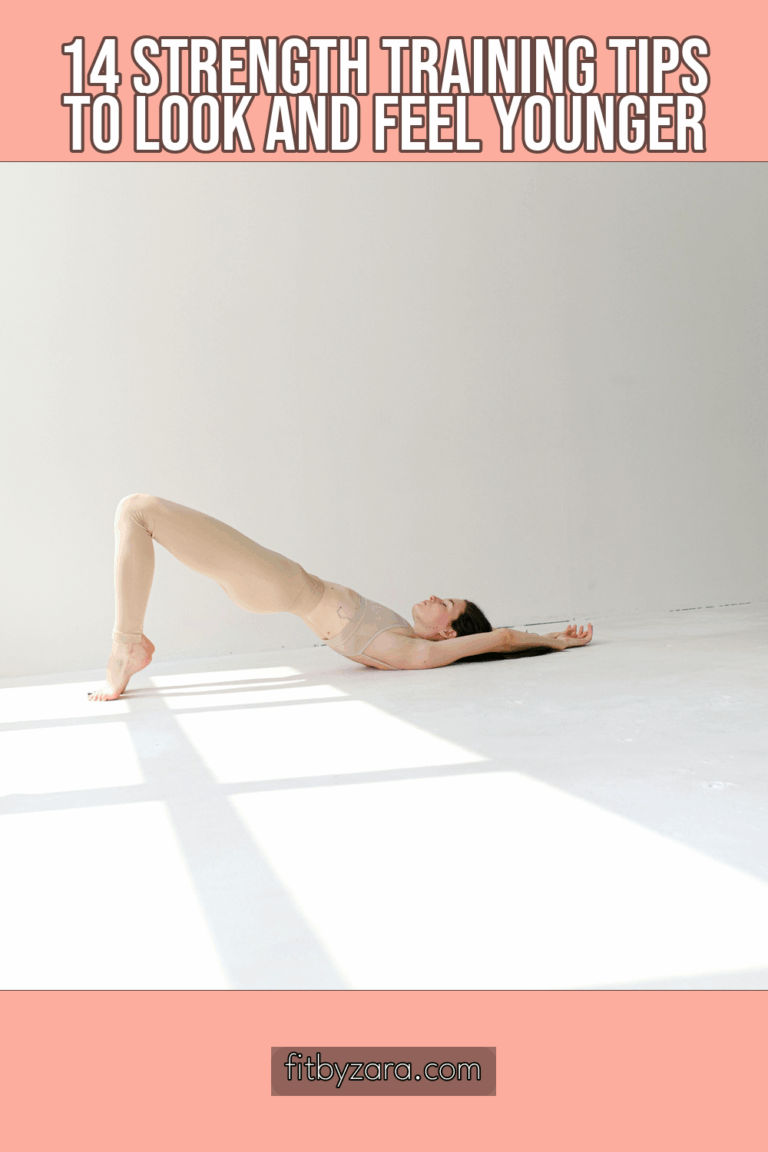
Aging is a privilege, but that doesn’t mean we can’t embrace it with vitality and strength. If you’re a woman over 30 looking to feel more youthful and energetic, strength training is your best friend. Not only does it help you build muscle and improve your metabolism, but it also enhances your mood and boosts confidence. Ready to dive into your strength training journey? Let’s conquer this challenge together!
Why Strength Training?
3-Day Energy & Metabolism Reset
Grab the 3-Day Energy & Metabolism Reset — a quick-start guide to feel lighter, more energized, and back in control.
Before we jump into the tips, let’s quickly chat about the *why*. Strength training helps:
- Build lean muscle mass
- Increase bone density
- Improve balance and coordination
- Enhance mood and reduce stress
- Boost metabolism
So, let’s get to it! Here are 14 strength training tips to help you look and feel younger.
1. Start with the Basics
Tip: Focus on compound movements like squats, deadlifts, and bench presses.
Why: These exercises work multiple muscle groups at once, maximizing your efficiency and results.
Mini Checklist:
- Squats
- Deadlifts
- Bench Press
- Bent-over Rows
2. Set Realistic Goals
Tip: Set achievable fitness goals that inspire you.
Why: Having clear targets makes your workouts more focused and rewarding.
Mini Checklist:
- Define your short-term goals (e.g., lifting a certain weight)
- Set long-term goals (e.g., completing a specific fitness program)
- Track your progress weekly
3. Don’t Skip Warm-Ups
Tip: Always incorporate a warm-up before lifting weights.
Why: Warming up increases blood flow to your muscles, reducing the risk of injury.
Mini Checklist:
- 5-10 minutes of light cardio (jogging, cycling)
- Dynamic stretches (arm circles, leg swings)
4. Focus on Form, Not Weight
Tip: Prioritize proper form over lifting heavy weights.
Why: Good form prevents injuries and ensures you’re working the right muscles.
Mini Checklist:
- Keep your back straight
- Engage your core
- Use a mirror or record yourself to check form
5. Incorporate Bodyweight Exercises
Tip: Use your body weight as resistance before adding weights.
Why: Bodyweight exercises are excellent for building strength and flexibility.
Mini Checklist:
- Push-ups
- Planks
- Lunges
- Tricep dips
6. Mix It Up
Tip: Change your routine every few weeks.
Why: Variety keeps your body challenged and prevents plateaus.
Ideas for Variation:
- Change the order of exercises
- Increase the number of reps or sets
- Switch between free weights and machines
7. Stay Consistent
Tip: Aim for strength training at least 2-3 times a week.
Why: Consistency is key to seeing results and maintaining strength.
Mini Checklist:
- Schedule workouts like appointments
- Set reminders on your phone
- Find a workout buddy for accountability
8. Don’t Forget Recovery
Tip: Allow your muscles to recover with rest days.
Why: Recovery is essential for muscle growth and overall health.
Mini Checklist:
- Rest for 48 hours between strength sessions targeting the same muscle group
- Use active recovery (like yoga or light walking on rest days)
9. Fuel Your Body Right
Tip: Focus on a balanced diet rich in protein.
Why: Protein helps repair muscles and supports recovery.
Mini Checklist:
- Include lean meats, beans, and legumes
- Snack on nuts or Greek yogurt post-workout
- Stay hydrated—drink plenty of water!
10. Embrace Strength Training Myths
Tip: Challenge the myths that might hold you back.
Myth Busters:
- “Lifting weights makes you bulky” – Not true! It builds lean muscle.
- “You should only do cardio to lose weight” – Strength training is equally important.
11. Incorporate Flexibility Training
Tip: Don’t neglect flexibility work.
Why: Stretching helps maintain mobility and reduces the risk of injury.
Mini Checklist:
- Stretch after your workouts
- Try yoga or Pilates once a week
- Focus on areas that feel tight
12. Track Your Progress
Tip: Keep a log of your strength training sessions.
Why: Tracking helps you see your growth over time and keeps you motivated.
Mini Checklist:
- Write down exercises, weights, and reps
- Take progress photos every month
- Celebrate small milestones!
13. Find Your Community
Tip: Connect with like-minded women for support.
Why: A supportive community can make your fitness journey more enjoyable.
Ways to Connect:
- Join a local gym or fitness class
- Participate in online forums or social media groups
- Attend local fitness events or workshops
14. Celebrate Your Wins
Tip: Acknowledge your progress, no matter how small.
Why: Celebrating achievements boosts motivation and confidence.
Mini Checklist:
- Reflect on your journey monthly
- Reward yourself with non-food treats (like a new workout outfit)
- Share your progress with friends or your online community
Zara Says
*”Strength training is not just about the physical; it’s a mental game too. Every lift is a step toward becoming a stronger version of yourself.”*
Final Thoughts
Embracing strength training after 30 is a powerful way to feel invigorated and youthful. With these 14 tips, you can create a well-rounded strength training routine that empowers you to look and feel your best. Remember, it’s not just about aesthetics; it’s about feeling strong, capable, and confident in your body.
Are you ready to take on the challenge? Let’s lift each other up and embrace our strength together!
HepatoBurn: Gentle Support for Steadier Days
When you’re stacking real habits—protein-forward meals, steps, and 7–9 hours of sleep—HepatoBurn is a simple add-on that supports the system behind energy, appetite, and metabolic rhythm.
Why Women 30+ Use It
- Pairs with an already-solid routine—no jitters, no crash.
- Easy to remember: 2 capsules with meals.
- Plays well with protein, walking, and strength training.
How to Use
- Timing: Breakfast & lunch are easy wins.
- Consistency: Use daily for a fair assessment.
- Stacks: Protein-first plates, post-meal walks, lights-down wind-down.
What It Isn’t
- Not a stimulant and not a magic fix.
- Best used alongside habits you’ll actually keep.
- Educational only—talk to your provider before new supplements.
Important: Educational only, not medical advice. Supplements don’t diagnose, treat, cure, or prevent diseases. Talk to your provider before changes to diet, exercise, or supplements.



















