


Understanding Mood Swings and Your Cycle
Let’s face it: being a woman often feels like a rollercoaster ride—especially when it comes to mood fluctuations. If you’ve ever found yourself feeling irritable, anxious, or unusually emotional in the days leading up to your period, you’re not alone. Many women experience significant mood swings related to their menstrual cycle, and understanding the reasons behind these feelings can help you navigate the ups and downs with greater ease.
The Hormonal Dance
First, let’s talk hormones. At the core of your monthly mood fluctuations are hormones like estrogen and progesterone. These hormones rise and fall throughout your cycle, influencing not just your physical health but also your emotional well-being. In the days leading up to your period, estrogen levels drop while progesterone levels peak, which can trigger feelings of irritability or sadness. This hormonal shift is a normal part of your cycle. While it’s entirely human to feel affected by it, what many women find frustrating is the lack of control over these emotional swings.
The Role of Stress
It’s also essential to recognize that mood swings don’t occur in a vacuum. Life’s stresses—work demands, family responsibilities, or even the daily grind—can exacerbate feelings of anxiety or irritability. The emotional turbulence you feel around your cycle may not just be about hormones; it can also be amplified by the pressures you face in your life. When paired with hormonal changes, even minor stresses can feel overwhelming. Therefore, managing stress can play a crucial role in how you feel during this time.
Diet and Lifestyle Influences
Your daily habits, including diet and exercise, can have a notable impact on your mood. Have you noticed how you feel after indulging in comfort food? While it might provide temporary relief, heavy or sugary meals can lead to energy crashes that affect your mood. On the flip side, a balanced diet with plenty of whole foods can help keep your energy levels stable and your mood more even. Similarly, staying active can be a powerful mood booster. Exercise releases endorphins, those wonderful hormones that promote feelings of happiness and relaxation.
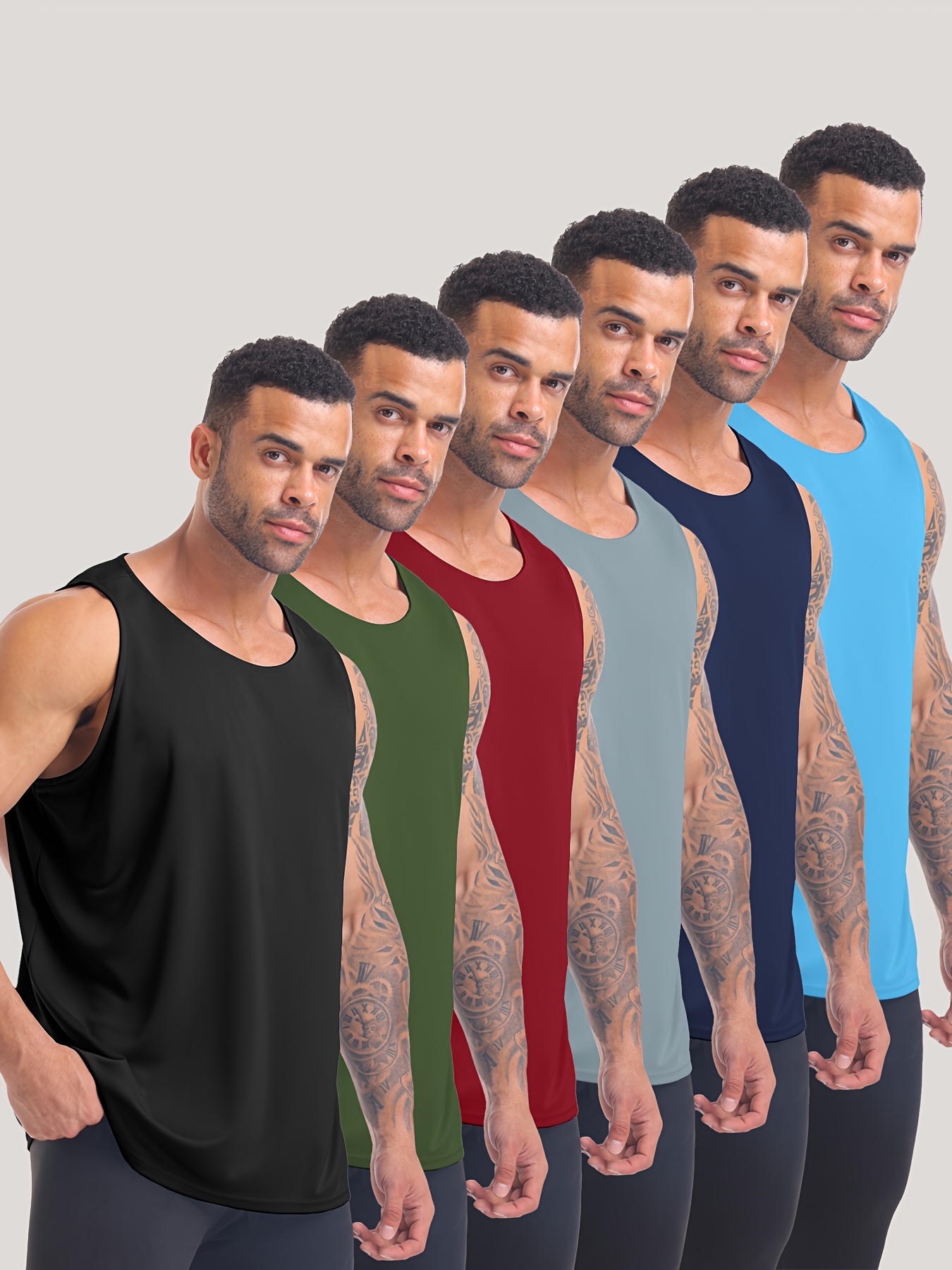
6 Temu Finds Men Are Grabbing Right Now
Temu is currently showing these products as $0 gifts for eligible app users with qualifying orders. Tap any item below to check the current offer.





Practical Strategies for Navigating Mood Swings
So, what can you do when those mood swings threaten to hijack your day? Here are some ideas that might resonate with you without feeling overwhelming or extreme.
Mindfulness and Self-Care
Engaging in mindfulness practices, such as meditation or journaling, can provide a space for you to process your feelings. When you’re aware of what’s happening emotionally, it can create a buffer against the intensity of those feelings. Consider setting aside a few minutes each day to check in with yourself. How are you feeling? Acknowledging your emotions without judgment can create a sense of calm amidst the storm.
Connection and Support
Don’t underestimate the power of connection. Share your feelings with friends or family who get it. Discussing your experiences can alleviate feelings of isolation, reminding you that you’re not alone in this journey. Sometimes, a simple conversation can help you feel more grounded. And who knows? You might even find comfort in realizing that others experience similar mood swings around their cycles.
Movement and Activity
Finding a form of exercise that you enjoy can be a game changer. It doesn’t have to be an intense workout at the gym; a brisk walk, yoga session, or even dancing in your living room can lift your spirits. The key is consistency, not intensity. Regular movement can help balance those hormonal fluctuations and provide a natural boost to your mood. Celebrate your body’s strength rather than focusing solely on external appearances.
A Gentle Reminder: Progress Over Perfection
As you navigate your cycle and manage your emotional landscape, remember to be gentle with yourself. Progress looks different for everyone, and it’s okay to have days when you feel less than your best. The goal is to cultivate a routine that feels nurturing and supportive rather than punitive or extreme. When you focus on consistency rather than intensity, you’ll likely find that those emotional fluctuations become easier to manage over time.
In a world that often pushes for perfection, it’s important to remember that your worth is not determined by your mood or how you feel on a given day. Embrace the ebb and flow of your emotional landscape as part of your unique journey, and know that it’s all entirely normal. Trust in your ability to navigate these cycles with patience and compassion, both for yourself and for others around you. You’re doing better than you think.