
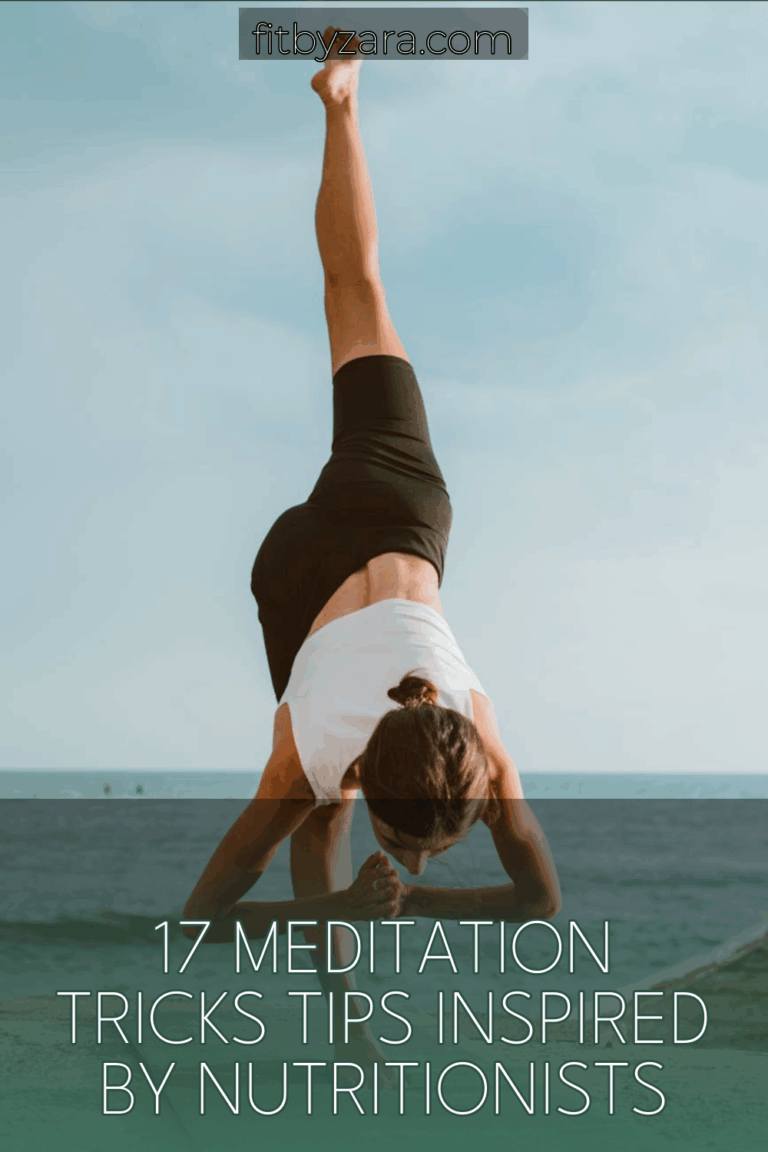
Meditation is a powerful tool for women over 30 who are navigating the complexities of life, from career challenges to family responsibilities. Just like a balanced diet, incorporating mindfulness into your daily routine can enhance your overall wellness. Here’s a comprehensive checklist of 17 meditation tricks and tips inspired by nutritionists to help you cultivate a more peaceful mind and body.
Why Combine Nutrition and Meditation?
3-Day Energy & Metabolism Reset
Grab the 3-Day Energy & Metabolism Reset — a quick-start guide to feel lighter, more energized, and back in control.
- Mind-Body Connection: Nutritionists emphasize the importance of food for mental health. Just like what you eat affects your body, your mental habits affect your well-being.
- Holistic Wellness: Both meditation and nutrition focus on holistic wellness. They work best together for a balanced life.
Mini Checklist: Benefits of Combining Meditation and Nutrition
- [ ] Improved mental clarity
- [ ] Reduced stress and anxiety
- [ ] Enhanced emotional resilience
- [ ] Better digestion and gut health
- [ ] Increased energy levels
1. Start Small: 5-Minute Meditations
Why It Works
Nutritionists recommend starting small when making dietary changes. The same applies to meditation. Begin with just 5 minutes a day.
How to Implement
- Set a timer for 5 minutes.
- Focus on your breath.
- Gradually increase the time as you get comfortable.
2. Create a Nourishing Space
Why It Works
Just as you wouldn’t eat in a cluttered space, your meditation area should be calming and inviting.
How to Implement
- Find a quiet corner in your home.
- Use soft lighting or candles.
- Add some plants or soothing colors.
Mini Checklist: Elements of a Nourishing Space
- [ ] Comfortable seating
- [ ] Calming scents (essential oils, incense)
- [ ] Inspirational decor (quotes, art)
3. Use Guided Meditations
Why It Works
Nutritional guidance helps you make better food choices. Guided meditations can provide direction and structure.
How to Implement
- Download meditation apps like Headspace or Calm.
- Choose themes that resonate with you (stress relief, gratitude).
- Follow along with the instructions.
4. Pair Meditation with Healthy Snacking
Why It Works
Mindful eating is key for nutritionists, and combining it with meditation can deepen your practice.
How to Implement
- Before your meditation, prepare a healthy snack (e.g., nuts, fruit).
- Eat slowly, focusing on each bite.
- Afterward, meditate with a clear mind.
5. Practice Gratitude
Why It Works
Nutritionists often highlight the importance of a positive mindset for overall health. Gratitude enhances your meditation experience.
How to Implement
- Before meditating, jot down three things you’re grateful for.
- Reflect on these during your practice.
6. Incorporate Movement
Why It Works
Just as physical activity is essential for a balanced diet, incorporating movement into meditation can enhance benefits.
How to Implement
- Try yoga or tai chi as forms of moving meditation.
- Focus on your breath and body alignment.
Mini Checklist: Movement Options
- [ ] Gentle yoga
- [ ] Walking meditations
- [ ] Dance meditation
7. Use Music or Sounds
Why It Works
Nutritionists often recommend calming teas or soothing foods. Similarly, calming sounds can enhance your meditation environment.
How to Implement
- Create a playlist of calming music or nature sounds.
- Use sound bowls or chimes during your practice for a sensory experience.
8. Keep a Meditation Journal
Why It Works
Just as you would track your meals, journaling can provide insight into your meditation practice.
How to Implement
- Write down your thoughts before and after meditation.
- Track your feelings, breakthroughs, and challenges.
Mini Checklist: Journal Prompts
- [ ] How do I feel before meditating?
- [ ] What thoughts come up during my practice?
- [ ] What did I learn about myself today?
9. Set Intentions
Why It Works
Nutritionists suggest setting goals for a balanced diet. Setting intentions can help you focus your meditation practice.
How to Implement
- At the beginning of each week, set an intention (e.g., peace, clarity).
- Meditate with that intention in mind.
10. Experiment with Different Techniques
Why It Works
Just as you would try various diets, experimenting with different meditation techniques can keep your practice fresh.
How to Implement
- Explore options like mindfulness, loving-kindness, or transcendental meditation.
- Find what resonates with you.
11. Utilize Breathwork
Why It Works
Nutritionists often emphasize breath for digestion. Breathwork can ground you during meditation.
How to Implement
- Practice deep breathing techniques before meditation starts.
- Focus on inhaling for a count of 4, holding for 4, and exhaling for 4.
12. Embrace Silence
Why It Works
Incorporating silence into your routine, like a detox, can enhance your meditation experience.
How to Implement
- Dedicate a few minutes of your practice to complete silence.
- Focus on your thoughts and feelings without external distractions.
13. Join a Community
Why It Works
Just as support groups help with dietary changes, joining a meditation community can enhance motivation.
How to Implement
- Look for local meditation groups or online communities.
- Attend workshops or retreats for deeper immersion.
Mini Checklist: Community Benefits
- [ ] Shared experiences
- [ ] Increased accountability
- [ ] Opportunities to learn
14. Incorporate Affirmations
Why It Works
Nutritionists often promote positive self-talk regarding food choices. Affirmations can reinforce your meditation practice.
How to Implement
- Create a list of positive affirmations related to your meditation goals.
- Repeat these during your practice.
15. Be Kind to Yourself
Why It Works
Just as nutritionists encourage compassion toward your dietary journey, self-kindness is crucial in meditation.
How to Implement
- Acknowledge that meditation is a practice and may not always go as planned.
- Celebrate small victories along the way.
16. Track Your Progress
Why It Works
Monitoring your food intake is vital for nutritional success. Tracking your meditation journey can show growth.
How to Implement
- Use apps or journals to log your meditation sessions.
- Note your feelings and thoughts post-practice.
17. Make It a Ritual
Why It Works
Nutritionists emphasize the importance of meal rituals. Creating a meditation ritual can anchor your practice.
How to Implement
- Choose a consistent time and place for your meditation.
- Develop a pre-meditation routine (tea, stretches, etc.).
—
Zara Says
“Meditation is like nutrition for your soul; the more you nourish it, the more it flourishes.”
—
Final Thoughts
Integrating these 17 meditation tricks inspired by nutritionists can create a balanced approach to both your mental and physical wellness. Embrace the journey, be patient with yourself, and remember that every small step you take is part of a greater path to well-being.
Quick Recap Checklist:
- [ ] Start small with 5-minute sessions.
- [ ] Create a nourishing space.
- [ ] Experiment with different techniques.
- [ ] Track your progress and celebrate victories.
Remember, just like a healthy diet, meditation is a personal journey. What works for one may not work for another, so explore and find the practices that resonate with you. Happy meditating!
HepatoBurn: Gentle Support for Steadier Days
When you’re stacking real habits—protein-forward meals, steps, and 7–9 hours of sleep—HepatoBurn is a simple add-on that supports the system behind energy, appetite, and metabolic rhythm.
Why Women 30+ Use It
- Pairs with an already-solid routine—no jitters, no crash.
- Easy to remember: 2 capsules with meals.
- Plays well with protein, walking, and strength training.
How to Use
- Timing: Breakfast & lunch are easy wins.
- Consistency: Use daily for a fair assessment.
- Stacks: Protein-first plates, post-meal walks, lights-down wind-down.
What It Isn’t
- Not a stimulant and not a magic fix.
- Best used alongside habits you’ll actually keep.
- Educational only—talk to your provider before new supplements.
Important: Educational only, not medical advice. Supplements don’t diagnose, treat, cure, or prevent diseases. Talk to your provider before changes to diet, exercise, or supplements.



















