
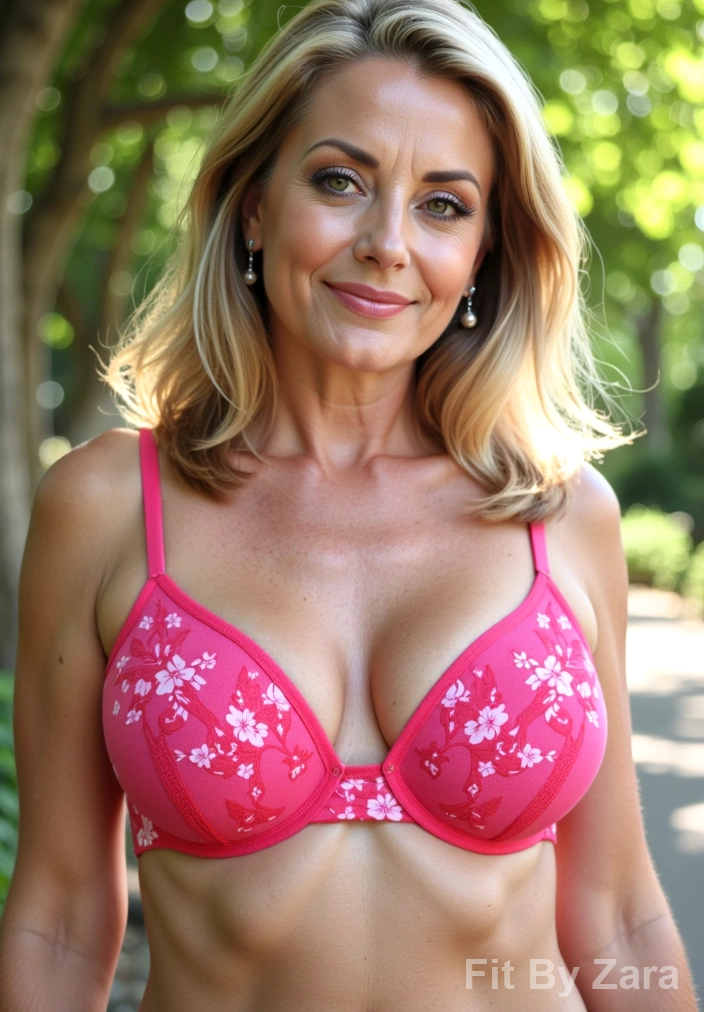
Understanding Fitness as a Personal Journey
As I sit down to write this, I find myself reflecting on the journey many of us take when it comes to fitness. It often begins with a seemingly simple question: “What does fitness mean to me?” For years, I followed the crowd, believing that there was a one-size-fits-all approach to health and exercise. It wasn’t until I explored my own needs and desires, embracing the many forms fitness can take, that I found a path that truly resonated with me. If you’ve ever felt overwhelmed by the extremes of the fitness world, you’re not alone. Trust me, there’s a more balanced approach out there waiting for you.
The Reality of Fitness: No One-Size-Fits-All
Embracing Individual Differences
It’s easy to get caught up in the latest trends and societal standards that often dictate how we should look and move. Social media bombards us with images of perfectly sculpted bodies, showcasing intense workout regimes and restrictive diets. These portrayals can feel like a challenge—one that involves pushing ourselves to extremes to achieve an idealized version of fitness. But what if we took a step back? What if we acknowledged that fitness can look entirely different for each of us?
Just think about it: our bodies, lifestyles, and goals vary widely. Some women thrive in a high-intensity workout environment, while others might prefer a gentle yoga session or a long walk in nature. It’s important to recognize that each choice is valid and that what works for one person may leave another feeling drained or discouraged. Have you ever tried a workout routine that left you feeling more exhausted than empowered? That’s a signal that it might not be the right fit.
The Effects of Life Stages
Context matters. As we navigate different phases of life—whether it’s dealing with hormonal changes, balancing work and family, or simply managing the stressors that come with adulting—our fitness needs naturally evolve. What felt right in our twenties might not resonate in our forties. And that’s okay. The beauty of fitness is that it can adapt with us.
For instance, if you’re in a particularly busy season, maybe the thought of an hour-long gym session feels overwhelming. Instead, short bursts of activity, like a quick home workout or even a few stretches while cooking, can be just as beneficial. The key lies in finding ways to move that fit seamlessly into your life—and recognizing that those movements matter.
Rethinking the Fitness Narrative
Shifting Focus from Aesthetics to Well-Being
Let’s shift our focus away from the aesthetics of fitness. Yes, we all want to look good in our favorite outfits, but why not consider how we feel? When we prioritize well-being, our approach to fitness becomes more holistic. It’s about feeling strong, energized, and confident in our own skin. Have you ever noticed how a good workout can lift your mood, even if you’re not seeing immediate changes in your body? That’s the power of movement.
For many of us, the journey to physical fitness is intertwined with mental well-being. As we learn to appreciate small victories—like holding a plank for longer or mastering a new yoga pose—we cultivate a positive mindset. This mental shift can inspire us to make healthier choices outside of our workouts, resulting in greater overall wellness.
Incorporating Movement into Daily Life
When it comes to fitness, movement doesn’t have to mean rigorous exercises five days a week. It can be integrated into our daily routines in surprisingly simple ways. Maybe it’s taking the stairs instead of the elevator, engaging in a dance party in your living room, or practicing deep-breathing exercises during a stressful moment. These small acts of movement contribute to our overall well-being and challenge the notion that fitness is limited to formal workouts.
Consider how you can weave movement into your life. Could you set aside time for a leisurely walk while listening to a podcast or invite a friend for a playful workout? Fitness should feel enjoyable and rewarding, not like a chore. It’s about creating a sustainable routine that suits your unique lifestyle.
Finding Your Own Path
Listening to Your Inner Voice
As we continue on this journey, remember that you are the expert of your own body. Rather than relying solely on external opinions, take the time to understand what feels good for you. This isn’t about ignoring guidance but about discerning what aligns with your goals and happiness. When we make the effort to cultivate a deeper awareness of ourselves, we empower our decision-making process.
Have you tried journaling your fitness journey? It can be revealing. Tracking your energy levels, moods, and enjoyment can help clarify what approaches work best for you. This reflection can guide your choices and help you embrace a flexible mindset toward fitness.
Closing Thoughts: Celebrate Your Progress
When it comes to fitness, progress is a journey—not a destination. Embracing the idea that fitness can look different for everyone means celebrating your unique path, however winding it may be. Remember, it’s not about perfection; it’s about consistency. Small, sustainable changes can lead to profound results over time.
So, let’s redefine what fitness means to us as women. Let’s prioritize how we feel alongside how we look. By honoring our individual journeys and supporting one another, we can build a community rooted in encouragement and empowerment. You’re doing great, and every step you take—no matter how small—is a step toward becoming the best version of yourself. Keep moving forward, and remember: you’re not alone on this journey.



















