
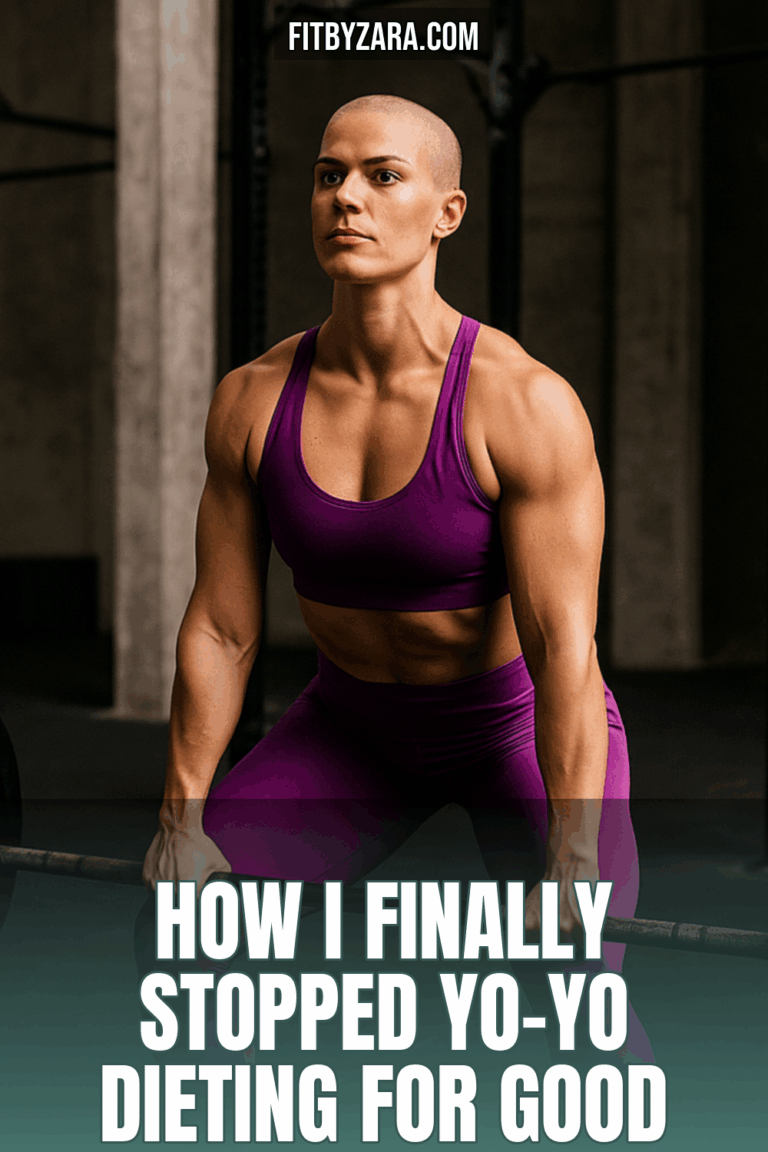
Hey there, fabulous ladies! If you’re over 30, chances are you know the struggle of yo-yo dieting all too well. I’ve been there—losing weight, gaining it back, and feeling like I was on a never-ending rollercoaster ride. But guess what? I finally found a way to break the cycle. And today, I’m sharing my journey with you in a super chill, skimmable checklist format. Let’s dive in!
Why Yo-Yo Dieting Happens
3-Day Energy & Metabolism Reset
Grab the 3-Day Energy & Metabolism Reset — a quick-start guide to feel lighter, more energized, and back in control.
Before we get into the nitty-gritty of how I stopped, let’s quickly address *why* this happens in the first place.
Common Triggers of Yo-Yo Dieting:
- Restrictive Diets: Fad diets often lead to short-term results and long-term frustration.
- Emotional Eating: Stress, anxiety, and emotional triggers can lead to binge eating.
- Lifestyle Changes: Major life events can disrupt your routine and lead to old habits.
- Lack of Sustainable Habits: Quick fixes rarely result in lasting change.
Mini Checklist: Identify Your Triggers
- [ ] Do I often diet restrictively?
- [ ] Am I eating for emotional reasons?
- [ ] Are life changes affecting my routine?
- [ ] Have I created sustainable habits?
Step 1: Embrace a Mindful Approach
What Does Mindful Eating Look Like?
1. Slow Down: Take time to enjoy meals without distractions.
2. Listen to Your Body: Eat when you’re hungry and stop when you’re satisfied.
3. Savor the Flavors: Appreciate the taste and texture of your food.
Zara says: “Mindful eating isn’t about perfection; it’s about connection—connecting with what you eat and how it makes you feel.”
Mini Checklist: Mindful Eating Practice
- [ ] Am I eating without distractions (no phones, TV, etc.)?
- [ ] Do I check in with my hunger levels before meals?
- [ ] Am I paying attention to the flavors and textures of my food?
Step 2: Focus on Whole Foods
Why Whole Foods?
Whole foods are nutrient-dense and keep you fuller longer. Think fruits, vegetables, whole grains, lean proteins, and healthy fats.
Benefits of Whole Foods:
- Sustained Energy: Fewer spikes and crashes in energy levels.
- Better Nutritional Intake: More vitamins and minerals.
- Less Bloat: Whole foods are easier on your digestive system.
Mini Checklist: Incorporating Whole Foods
- [ ] Have I included a variety of colors on my plate?
- [ ] Am I cooking more at home rather than eating out?
- [ ] Do I prioritize whole grains over processed ones?
Step 3: Ditch the Scale
Why Let Go of the Scale?
Your weight doesn’t define you. Instead, focus on how you feel in your body.
Signs It’s Time to Ditch the Scale:
- You feel anxious or stressed about your weight.
- You associate your worth with a number.
- You’re obsessively tracking every pound lost or gained.
Mini Checklist: Scale-Free Living
- [ ] Have I hidden or removed the scale from my bathroom?
- [ ] Do I focus more on how my clothes fit rather than the number?
- [ ] Am I assessing my wellness based on energy levels and mood?
Step 4: Build a Balanced Plate
What Does a Balanced Plate Look Like?
- 1/2 Plate: Veggies (the more colorful, the better!)
- 1/4 Plate: Protein (chicken, fish, legumes, tofu)
- 1/4 Plate: Whole Grains (quinoa, brown rice, whole wheat bread)
- Healthy Fats: Olive oil, nuts, or avocado
Mini Checklist: Building Balance
- [ ] Is my plate colorful and varied?
- [ ] Am I including protein in every meal?
- [ ] Do I add healthy fats to my meals?
Step 5: Move for Joy, Not Just Weight Loss
Finding Joy in Movement
Exercise should be something you *want* to do, not something you *have* to do.
Ways to Incorporate Joyful Movement:
- Dance like nobody’s watching—at home or in a class.
- Take walks in nature or around your neighborhood.
- Try a new fitness class or sport.
Mini Checklist: Joyful Movement
- [ ] Have I tried a new sport or activity recently?
- [ ] Do I enjoy my workouts instead of viewing them as a chore?
- [ ] Am I mixing up my routine to keep it fresh and fun?
Step 6: Cultivate a Supportive Community
Why Community Matters
Surrounding yourself with supportive friends and family can make all the difference.
Ways to Build Your Community:
- Join a local fitness group or online wellness community.
- Share your goals with friends or family for accountability.
- Attend workshops or classes to meet like-minded women.
Mini Checklist: Building Your Community
- [ ] Have I found a workout buddy or accountability partner?
- [ ] Am I participating in community events or groups?
- [ ] Do I surround myself with positive influences?
Step 7: Practice Self-Compassion
What is Self-Compassion?
Being kind to yourself, especially on tough days. It’s okay to slip up or have cravings.
Steps to Cultivate Self-Compassion:
- Acknowledge your feelings without judgment.
- Treat yourself as you would treat a friend.
- Allow yourself to enjoy treats in moderation.
Mini Checklist: Self-Compassion Practices
- [ ] Am I speaking kindly to myself after a setback?
- [ ] Do I practice self-care regularly?
- [ ] Have I allowed myself a treat without guilt?
Step 8: Set Realistic Goals
What Do Realistic Goals Look Like?
Forget about drastic changes. Aim for small, sustainable goals instead.
Examples of Realistic Goals:
- Drink more water daily.
- Try one new vegetable each week.
- Move your body for at least 30 minutes, three times a week.
Mini Checklist: Setting Realistic Goals
- [ ] Are my goals specific and measurable?
- [ ] Do I celebrate small wins along the way?
- [ ] Am I adjusting my goals as needed?
Conclusion: Your Journey is Unique
Remember, your path to wellness is uniquely yours. It’s about finding what works for you and embracing it without the pressure of perfection. No more yo-yo dieting—just a balanced, fulfilling approach to life and health.
Final Mini Checklist: Reflect and Move Forward
- [ ] What small changes can I implement today?
- [ ] How can I practice self-love this week?
- [ ] Do I feel empowered on my wellness journey?
You’ve got this, and I’m cheering for you every step of the way! ✨
—
I hope you found this post helpful! If you have any questions or want to share your own journey, drop a comment below. Let’s support each other on our paths to wellness!
HepatoBurn: Gentle Support for Steadier Days
When you’re stacking real habits—protein-forward meals, steps, and 7–9 hours of sleep—HepatoBurn is a simple add-on that supports the system behind energy, appetite, and metabolic rhythm.
Why Women 30+ Use It
- Pairs with an already-solid routine—no jitters, no crash.
- Easy to remember: 2 capsules with meals.
- Plays well with protein, walking, and strength training.
How to Use
- Timing: Breakfast & lunch are easy wins.
- Consistency: Use daily for a fair assessment.
- Stacks: Protein-first plates, post-meal walks, lights-down wind-down.
What It Isn’t
- Not a stimulant and not a magic fix.
- Best used alongside habits you’ll actually keep.
- Educational only—talk to your provider before new supplements.
Important: Educational only, not medical advice. Supplements don’t diagnose, treat, cure, or prevent diseases. Talk to your provider before changes to diet, exercise, or supplements.



















