
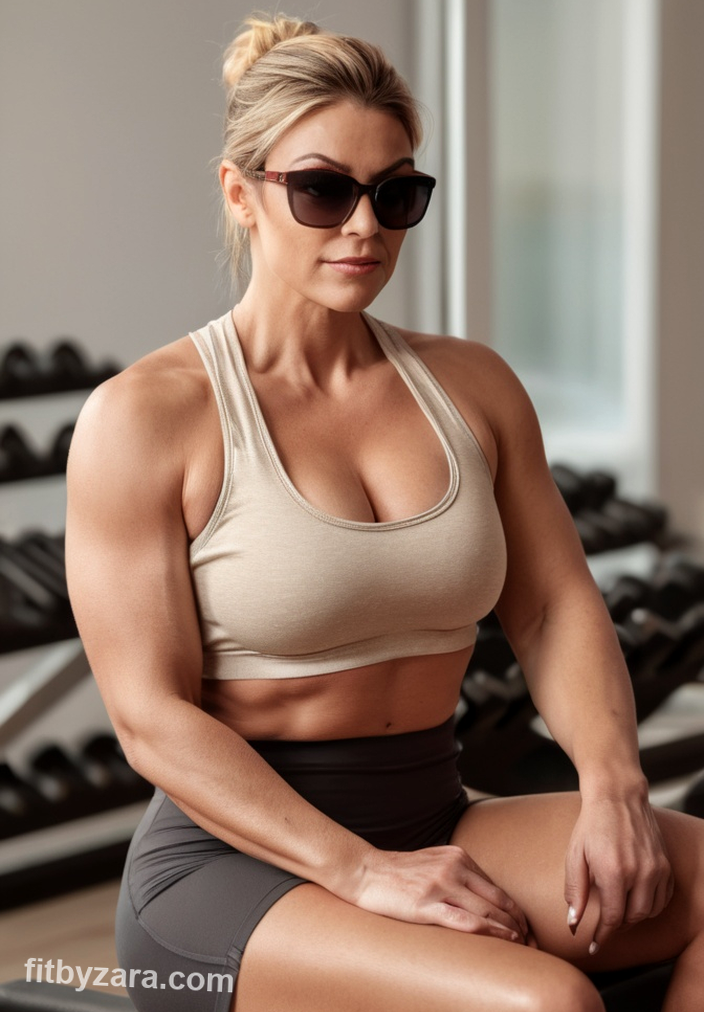
Understanding the Shifts: The Years After 35
The transition into our mid-thirties and beyond often feels like a threshold. For many women, this is a time when the body starts to present new challenges, and the habits that used to work so well may suddenly lead to less-than-desirable results. It’s common to feel frustrated, confused, and even alarmed by these changes. But instead of seeing this time as one filled with loss, what if we approached it with curiosity and acceptance? What if we embraced this phase as an opportunity for growth, reflection, and a chance to deepen our self-relationship?
Recognizing the New Normal
As we journey past 35, we might notice our bodies respond differently to diet, exercise, and stress. This isn’t just a personal experience; it’s a biological one influenced by hormonal shifts, metabolism changes, and the accumulation of life’s stresses. The reality is that our bodies become more complex as we age. It’s easy to feel overwhelmed in a world that often glorifies youth and quick fixes. Yet, acknowledging these changes is the first step toward embracing a more holistic approach to wellness.
Think about it: have your energy levels been fluctuating? Do you find that your once-favorite pair of jeans fits differently? These experiences are common and can lead to feelings of inadequacy. But understanding that they result from natural biological processes can help reframe your perspective. It’s not about diagnosing a problem; it’s about recognizing that your body is evolving, just like your life circumstances.
Rethinking Wellness: A Holistic Perspective
The Importance of Balance
In a society obsessed with extremes, the pursuit of wellness often leads us down paths that are unsustainable. We may feel pressured to adopt rigid diets or grueling workout regimens, all in the name of looking a certain way. However, a more balanced approach can be far more productive and fulfilling. Think of wellness as a spectrum rather than an end goal.
This is where the importance of balance comes in. Instead of depriving yourself or overexerting during workouts, consider what movements feel good and what foods nourish you. Reflect on how certain practices affect not just your appearance but also your mood and energy levels. Are you feeling energized after a workout, or are you left exhausted? It’s about tuning into what genuinely feels good for you.
Stress Management: The Unsung Hero of Wellness
Stress is a major player in our lives, and it can wreak havoc on both mental and physical well-being. When life gets hectic, how often do we prioritize ourselves? The demands of work, family, and social obligations can leave little room for self-care, leading to feelings of burnout. This is where the concept of self-compassion becomes vital. It’s easy to fall into the trap of ‘I should be doing more.’ However, recognizing that you are doing the best you can in a busy world is crucial.
Consider incorporating small, manageable practices into your daily routine. This could be as simple as carving out ten minutes for a mindful break or reprioritizing sleep. How can you introduce moments of calm into your day? Whether it’s through meditation, yoga, or simply a walk outside, giving yourself permission to pause can have profound effects on your overall wellness.
Embracing Movement and Nutrition
Finding Joy in Movement
The relationship we have with exercise often stems from societal expectations. Many women feel they need to push themselves to the limit to achieve results. However, what if we shifted our mindset to see movement as a celebration of what our bodies can do? Finding physical activities that bring you joy can be liberating. It doesn’t have to be about burning calories or meeting a specific target; it can simply be about feeling alive and engaged.
Try exploring new forms of exercise that intrigue you. Dance classes, hiking with friends, or even gentle stretching can be excellent ways to connect with your body and lift your spirits. When we enjoy the movement, we’re more likely to stick with it in the long term, which is far more important than any short-term results.
Nourishing Our Bodies with Intention
When it comes to nutrition, many women find themselves caught in cycles of dieting and restricting. After 35, it’s essential to approach food with a mindset of nourishment rather than deprivation. Focus on what you can add to your diet rather than what you need to take away. Whole foods packed with nutrients can invigorate and sustain you, while small indulgences can provide joy without guilt.
Consider experimenting with new recipes or focusing on seasonal ingredients that excite your taste buds. Eating should be a pleasurable experience, not a chore. How can you make mealtime a time of connection, whether with yourself or loved ones? Remember that it’s not just about the food on your plate; it’s the emotions and connections we foster around it that contribute to our wellness.
Creating a Supportive Environment
As we navigate our wellness journeys, surrounding ourselves with supportive communities is vital. Whether it’s friends who understand the challenges of balancing work and personal life or online forums that align with your values, having that network can be empowering. Sharing experiences and insights often leads to personal growth, inspiration, and encouragement.
Progress Over Perfection
Ultimately, it’s essential to remember that progress is not linear, and perfection is a myth. Embracing the journey — with all its twists and turns — can be far more rewarding than fixating on an ideal. Each small change you make contributes to a larger picture of health and well-being.
As you face the realities of your evolving body, approach each day with compassion and curiosity. Celebrate what your body can do today, and stay open to the possibilities tomorrow may bring. Each step towards self-acceptance is a victory in itself. Embrace your journey, and remember, it’s all about consistency, not intensity.
In the grand scheme of life, it’s the love you cultivate for yourself that will shine through, guiding you toward a healthier, happier you.



















