

8 Daily Habits to Balance Hormones Naturally Today
As a woman over 30, hormonal fluctuations can become a significant part of your daily experience. Whether it’s due to stress, diet, sleep, or lifestyle choices, maintaining hormone balance feels like a constant battle. The good news is that there are practical habits you can incorporate into your daily routine to naturally promote hormonal health. Let’s explore 8 daily habits that can help you achieve balance.
1. Consume a Balanced Diet
Focus on Whole Foods
- Incorporate plenty of fruits and vegetables.
- Choose whole grains over refined grains.
- Include healthy fats from sources like avocados, nuts, and olive oil.
- Limit processed foods and added sugars.
Protein for Hormonal Health
- Include lean proteins in every meal, such as fish, chicken, beans, and legumes.
- Consider plant-based proteins for added fiber and nutrients.
2. Stay Hydrated
3-Day Energy & Metabolism Reset
Grab the 3-Day Energy & Metabolism Reset — a quick-start guide to feel lighter, more energized, and back in control.
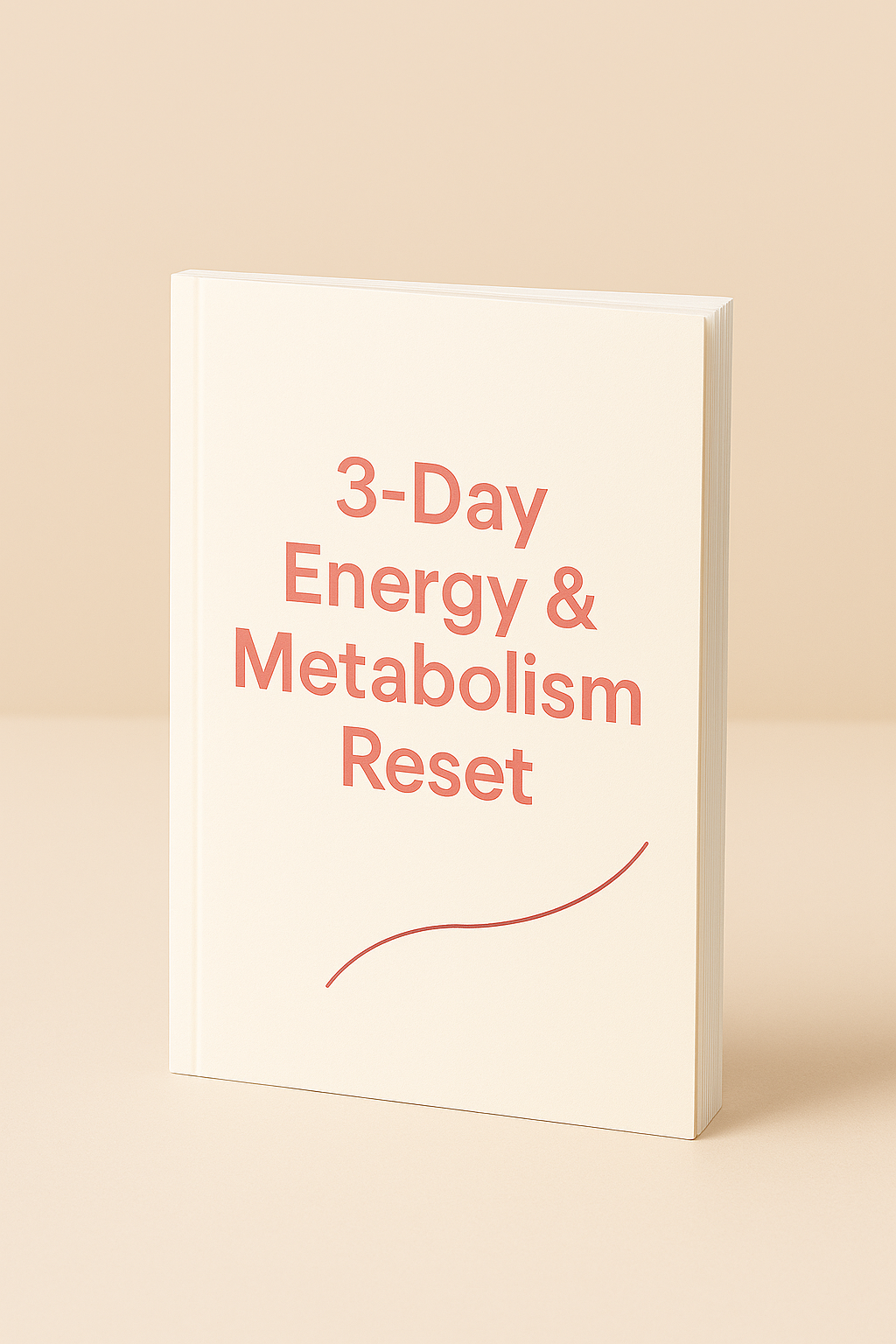
Where should we send your free guide?
Drink Plenty of Water
Hydration plays a crucial role in hormonal balance. Aim to:
- Drink at least 8 glasses of water daily.
- Add lemon or cucumber for added benefits.
3. Prioritize Sleep
Create a Sleep-Friendly Environment
Quality sleep is essential for hormone regulation. To improve your sleep:
- Establish a regular sleep schedule.
- Keep your bedroom cool and dark.
- Limit screen time before bed.
Practice Relaxation Techniques
- Incorporate calming activities like reading or meditation before sleeping.
- Consider yoga or gentle stretches to unwind.
4. Manage Stress
Incorporate Daily Mindfulness
Chronic stress can lead to hormonal imbalances. To manage stress effectively:
- Practice mindfulness meditation for 10 minutes daily.
- Engage in deep breathing exercises.
Physical Activity Counts
- Include at least 30 minutes of moderate exercise each day.
- Choose activities you enjoy, such as walking, dancing, or swimming.
5. Balance Blood Sugar Levels
Choose Low-Glycemic Foods
To help regulate insulin levels:
- Opt for complex carbohydrates like whole grains, legumes, and sweet potatoes.
- Avoid high-sugar snacks and refined carbs.
6. Supplement Wisely
Consult a Healthcare Professional
Before starting any supplements:
- Consider herbal supplements like maca or evening primrose oil.
- Discuss options with your healthcare provider for safety and effectiveness.
7. Reduce Toxins
Avoid Endocrine Disruptors
Limit exposure to chemicals that can impact hormone levels:
- Choose natural skincare and cleaning products.
- Avoid plastic containers that can leach chemicals.
8. Stay Connected
Build a Support Network
Emotional well-being impacts hormonal health:
- Communicate with friends or join a support group.
- Share your experiences and challenges openly.
FAQs
- 1. What are signs of hormonal imbalance?
- Common signs include fatigue, mood swings, irregular periods, and weight changes.
- 2. How long does it take to see results?
- It can take a few weeks to months of consistent lifestyle changes to notice improvements.
- 3. Are there specific diets that help balance hormones?
- A diet rich in whole foods, healthy fats, and lean proteins can support hormonal health.
- 4. Can stress really affect hormones?
- Yes, chronic stress can elevate cortisol levels, disrupting hormonal balance.
- 5. Do I need to consult a doctor before making changes?
- It’s always a good idea to discuss significant lifestyle changes with a healthcare provider.
Zara says: Remember, small, consistent changes can lead to significant results over time. Focus on progress, not perfection!
Key Takeaways
- A balanced diet rich in whole foods is essential for hormone health.
- Hydration and quality sleep play a crucial role in hormonal balance.
- Managing stress through mindfulness and physical activity is vital.
- Reducing toxins and avoiding endocrine disruptors can help maintain hormone levels.
- Building a support network can positively impact emotional well-being.
HepatoBurn: Gentle Support for Steadier Days
When you’re stacking real habits—protein-forward meals, steps, and 7–9 hours of sleep—HepatoBurn is a simple add-on that supports the system behind energy, appetite, and metabolic rhythm.
Why Women 30+ Use It
- Pairs with an already-solid routine—no jitters, no crash.
- Easy to remember: 2 capsules with meals.
- Plays well with protein, walking, and strength training.
How to Use
- Timing: Breakfast & lunch are easy wins.
- Consistency: Use daily for a fair assessment.
- Stacks: Protein-first plates, post-meal walks, lights-down wind-down.
What It Isn’t
- Not a stimulant and not a magic fix.
- Best used alongside habits you’ll actually keep.
- Educational only—talk to your provider before new supplements.
Important: Educational only, not medical advice. Supplements don’t diagnose, treat, cure, or prevent diseases. Talk to your provider before changes to diet, exercise, or supplements.



















