

If you’re a woman in your 30s, you know that navigating the weight loss landscape can be tricky. With a barrage of diets, fitness plans, and the latest health fads, it’s easy to feel overwhelmed. Yet, amidst the noise, there’s one inexpensive weight loss hack that doesn’t get the attention it deserves. Curious? Let’s dive into the world of mindful eating.
What is Mindful Eating?
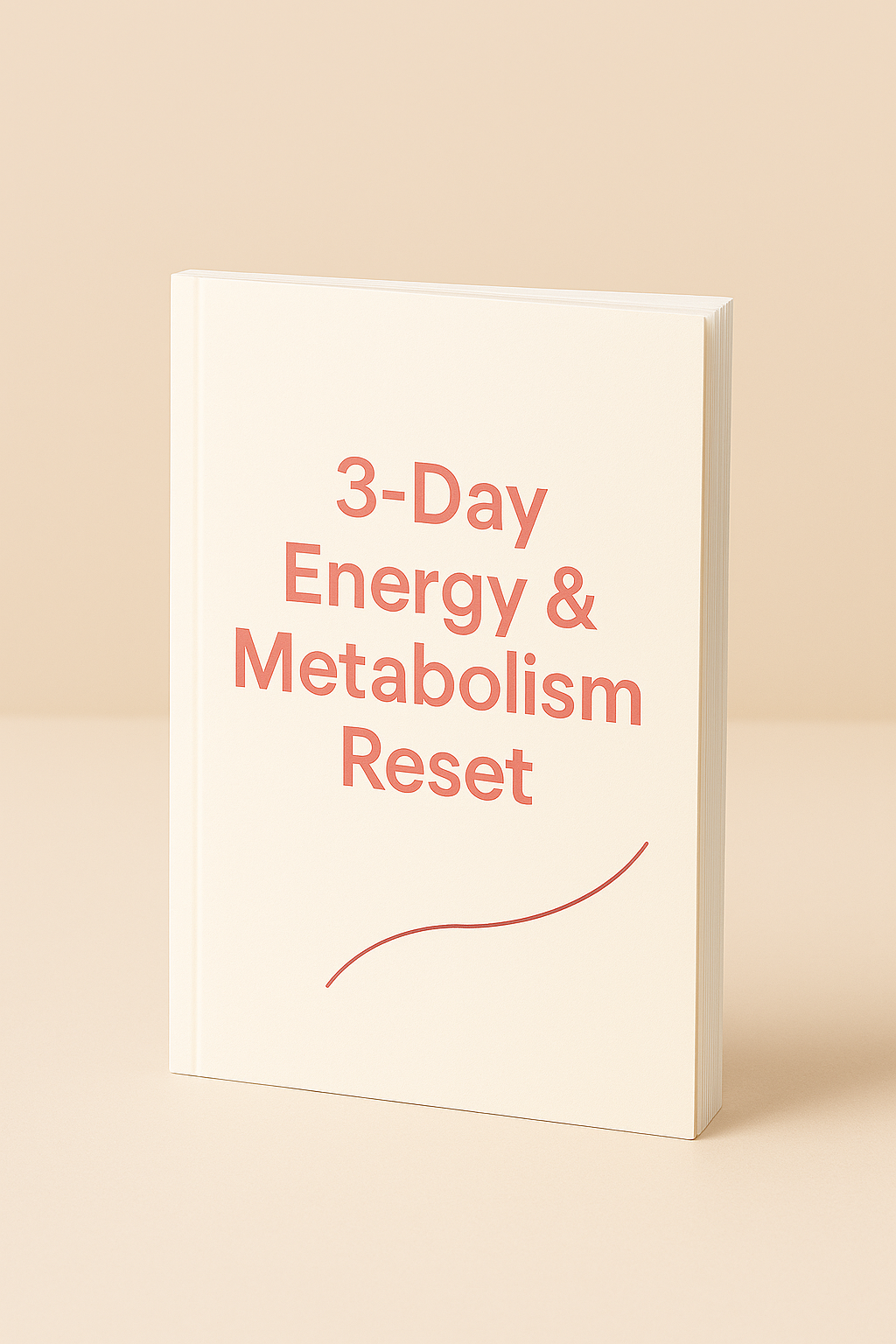
3-Day Energy & Metabolism Reset
Grab the 3-Day Energy & Metabolism Reset — a quick-start guide to feel lighter, more energized, and back in control.
Mindful eating is about being present during your meals, savoring each bite, and tuning into your body’s hunger and fullness cues. It’s not a diet; it’s a lifestyle change that promotes a healthier relationship with food.
Why Mindful Eating Works
- Awareness: You become more attuned to your body and its signals.
- Satisfaction: By savoring your food, you tend to feel fuller and more satisfied.
- Less Stress: Reduces the anxiety often associated with dieting.
- Sustainable: It’s a long-term approach that you can stick with, unlike restrictive diets.
The Best Part? It’s Free!
No expensive meal plans, no gym memberships. Just you, your food, and your mind. Let’s break down how to adopt mindful eating into your daily routine.
The Mindful Eating Checklist
1. Set the Scene
Creating the right environment can make a big difference in your eating habits.
- Eliminate Distractions: Turn off the TV, put down your phone, and focus solely on your meal.
- Create a Calm Atmosphere: Light a candle, play soft music, or set the table nicely.
- Use Smaller Plates: This simple change can help you control portion sizes.
2. Tune Into Your Body
The core of mindful eating is listening to your body. Here’s how:
- Check In Before You Eat: Ask yourself how hungry you are on a scale from 1 to 10.
- Savor Each Bite: Take time to chew your food slowly and enjoy the flavors.
- Pause During Meals: Put your fork down between bites to give your brain time to catch up with your stomach.
3. Reflect on Your Food Choices
Understanding what you’re eating is crucial.
- Practice Gratitude: Before you eat, take a moment to appreciate where your food comes from.
- Know Your Ingredients: Familiarize yourself with what’s on your plate and its nutritional value.
- Avoid Emotional Eating: Ask yourself if you’re truly hungry or if you’re eating out of boredom or stress.
4. Pay Attention to Fullness Cues
Recognizing when you’re full is vital to prevent overeating.
- Check In Mid-Meal: Ask yourself how full you feel at the halfway point.
- Rate Your Fullness: Use the same hunger scale (1-10) to assess your fullness.
- Don’t Force It: If you’re not hungry anymore, don’t feel obligated to finish your plate.
5. Make It a Habit
To truly benefit from mindful eating, consistency is key.
- Start with One Meal a Day: Choose one meal to eat mindfully and gradually increase.
- Journal Your Experience: Keep track of how you feel before and after meals.
- Involve Others: Share your journey with friends or family. It’s easier to stay accountable together!
The Benefits of Mindful Eating
Physical Benefits
- Weight Management: Mindful eating can lead to natural weight loss without restrictive diets.
- Better Digestion: Chewing food slowly aids digestion and nutrient absorption.
- Improved Energy Levels: Eating mindfully can help you identify foods that energize you versus those that drain you.
Mental Benefits
- Reduced Stress: Mindfulness reduces tension and promotes relaxation.
- Improved Self-Esteem: A healthier relationship with food can lead to a positive body image.
- Enhanced Mindfulness: The skills you develop through mindful eating can extend to other areas of your life.
Mini Mindful Eating Checklist
Before Eating
- [ ] Is my environment calm and free of distractions?
- [ ] Am I truly hungry or eating for another reason?
- [ ] What do I feel grateful for today regarding my food?
During Eating
- [ ] Am I chewing my food slowly?
- [ ] Have I put my fork down between bites?
- [ ] Am I savoring the flavors of my meal?
After Eating
- [ ] How full do I feel on a scale of 1-10?
- [ ] Did I enjoy my meal?
- [ ] What will I take away from this eating experience?
Zara Says
“Mindful eating isn’t just a diet; it’s a way to reconnect with your body, food, and self-love. When you nourish your body with intention, weight loss becomes a natural side effect.”
Common Challenges & Solutions
1. Time Constraints
Challenge: You’re busy, and eating mindfully feels like another task.
Solution: Choose to practice mindful eating during one meal a day. Prep your meals quickly and focus on just that one sitting.
2. Old Habits
Challenge: It’s tough to break the habit of eating while distracted.
Solution: Start small. Choose a snack or a light meal to eat mindfully first. Gradually incorporate mindfulness into more meals.
3. Social Situations
Challenge: Eating out or at gatherings can be distracting.
Solution: Set intentions before you arrive. Focus on savoring each bite, even in a crowded environment.
Final Thoughts
Weight loss doesn’t have to be an expensive or complicated process. By incorporating mindful eating into your routine, you can foster a healthier relationship with food, enjoy your meals, and naturally shed those extra pounds.
So, the next time you find yourself reaching for that snack or meal, take a pause, breathe, and practice mindfulness. You might just discover the cheap weight loss hack that changes everything.
Ready to get started?
Pick one mindful eating habit from our checklist and implement it into your next meal. Remember, this journey is about progress, not perfection. Happy eating!
HepatoBurn: Gentle Support for Steadier Days
When you’re stacking real habits—protein-forward meals, steps, and 7–9 hours of sleep—HepatoBurn is a simple add-on that supports the system behind energy, appetite, and metabolic rhythm.
Why Women 30+ Use It
- Pairs with an already-solid routine—no jitters, no crash.
- Easy to remember: 2 capsules with meals.
- Plays well with protein, walking, and strength training.
How to Use
- Timing: Breakfast & lunch are easy wins.
- Consistency: Use daily for a fair assessment.
- Stacks: Protein-first plates, post-meal walks, lights-down wind-down.
What It Isn’t
- Not a stimulant and not a magic fix.
- Best used alongside habits you’ll actually keep.
- Educational only—talk to your provider before new supplements.
Important: Educational only, not medical advice. Supplements don’t diagnose, treat, cure, or prevent diseases. Talk to your provider before changes to diet, exercise, or supplements.



















