
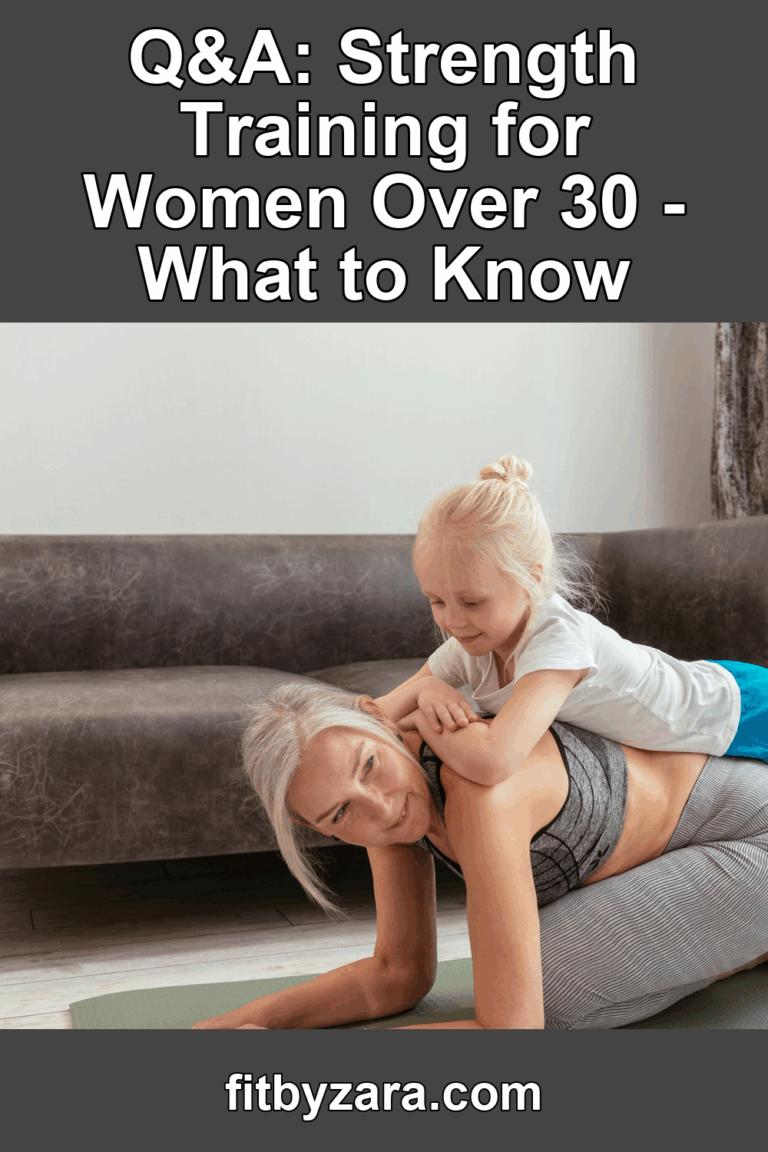
Understanding Strength Training for Women Over 30
Strength training is an essential component of fitness, especially for women over 30. As we age, maintaining muscle mass and bone density becomes more crucial. However, misconceptions persist about strength training. This Q&A guide will help you navigate important aspects of strength training and debunk common myths.
Myth vs. Fact
| Myth | Fact |
|---|---|
| Strength training will make me bulky. | Strength training helps sculpt a lean physique and boosts metabolism. |
| It’s too late to start strength training. | It’s never too late; starting can improve health at any age. |
| Only men should lift heavy weights. | Women can benefit from lifting heavier weights to improve strength and confidence. |
| I need to spend hours in the gym. | Short, focused sessions can be effective for strength training. |
| Strength training is boring. | It can be varied and fun with different exercises and formats. |
Common Questions about Strength Training
3-Day Energy & Metabolism Reset
Grab the 3-Day Energy & Metabolism Reset — a quick-start guide to feel lighter, more energized, and back in control.
Where should we send your free guide?
Q1: What is the best age to start strength training?
There’s no specific age to begin strength training, but starting in your 30s can help combat age-related muscle loss and improve overall health.
Q2: How often should I strength train?
Experts recommend strength training at least 2-3 times a week, focusing on major muscle groups. Rest days are important to allow muscles to recover and grow.
Q3: What type of strength training is best for women over 30?
Incorporate a mix of bodyweight exercises, free weights, resistance bands, and machines. Focus on compound movements like squats, deadlifts, and push-ups for better results.
Q4: Do I need to lift heavy weights?
While lifting heavy can be beneficial, it’s more important to focus on proper form and a weight that challenges you without compromising technique.
Q5: Can strength training help with weight management?
Yes! Strength training increases muscle mass, which helps boost metabolism and makes it easier to maintain a healthy weight.
Tips for Starting Strength Training
- Assess Your Current Fitness Level: Consult with a fitness professional if you’re unsure of where to start.
- Set Realistic Goals: Aim for specific, measurable, and achievable goals (e.g., “I want to do 10 push-ups”).
- Prioritize Form: Focus on proper technique over lifting heavy weights to prevent injuries.
- Warm-Up and Cool Down: Include dynamic stretches before and static stretches after your workouts.
Creating a Mini-Strength Training Plan
Here’s a simple 4-week strength training plan to get you started.
- Week 1: Focus on learning basic movements (squats, lunges, push-ups). 2 sets of 10-12 reps.
- Week 2: Increase weight slightly; integrate resistance bands. Add 1 additional set.
- Week 3: Incorporate more compound exercises (deadlifts, rows). 3 sets of 8-10 reps.
- Week 4: Experiment with weight variations and combine exercises into circuits.
How to Track Progress Effectively
- Keep a Workout Journal: Document exercises, sets, reps, and weights.
- Use a Fitness App: Track your progress digitally for ease and accountability.
- Take Progress Photos: Visual documentation can be motivating as you notice physical changes.
- Schedule Regular Assessments: Re-evaluate your goals and achievements every month.
Key Takeaways
- Strength training is essential for women over 30 for muscle maintenance and improved metabolism.
- Focus on consistency; aim for 2-3 sessions weekly emphasizing form over weight.
- Incorporate a variety of exercises to keep your routine engaging and effective.
- Track your progress to stay motivated and make necessary adjustments.
- It’s never too late to start; begin with a manageable plan and increase intensity over time.
Zara says: Strength training can be empowering. It not only transforms your body but boosts your confidence. Remember to celebrate small victories along your fitness journey!
HepatoBurn: Gentle Support for Steadier Days
When you’re stacking real habits—protein-forward meals, steps, and 7–9 hours of sleep—HepatoBurn is a simple add-on that supports the system behind energy, appetite, and metabolic rhythm.
Why Women 30+ Use It
- Pairs with an already-solid routine—no jitters, no crash.
- Easy to remember: 2 capsules with meals.
- Plays well with protein, walking, and strength training.
How to Use
- Timing: Breakfast & lunch are easy wins.
- Consistency: Use daily for a fair assessment.
- Stacks: Protein-first plates, post-meal walks, lights-down wind-down.
What It Isn’t
- Not a stimulant and not a magic fix.
- Best used alongside habits you’ll actually keep.
- Educational only—talk to your provider before new supplements.
Important: Educational only, not medical advice. Supplements don’t diagnose, treat, cure, or prevent diseases. Talk to your provider before changes to diet, exercise, or supplements.



















