

Introduction
As women approach their 30s and beyond, the importance of strength training can’t be overstated. Whether you’re looking to boost your metabolism, improve bone density, or just feel stronger and more confident, starting or maintaining a strength training routine is essential. However, many women encounter myths, questions, and misconceptions about how to effectively incorporate strength training into their lives. This guide will cover these aspects through a Q&A format, addressing common concerns and empowering you with a wealth of practical tips.
Common Questions About Strength Training for Women Over 30
1. Is strength training really necessary for women over 30?
Absolutely! Strength training offers numerous benefits, including improved muscle tone, increased metabolism, and enhanced bone density. As women age, muscle mass naturally declines, making strength training crucial for maintaining physical health.
2. How often should I strength train?
For optimal results, aim for strength training sessions 2-4 times a week. It’s essential to give your muscles time to recover, so consider splitting your workouts into upper and lower body sessions or alternating between different muscle groups.
3. What types of exercises should I include?
Focus on compound movements that engage multiple muscle groups. Effective exercises include:
- Squats
- Deadlifts
- Bench presses
- Rows
- Overhead presses
- Lunges
4. Will lifting weights make me bulky?
No, this is a common myth! Women generally have lower testosterone levels than men, making it difficult to gain bulk through strength training. Instead, strength training will help you tone your muscles and achieve a lean physique.
5. Do I need to use equipment, or can I rely on bodyweight exercises?
You can start with bodyweight exercises, which are effective for building strength and endurance. Over time, consider incorporating weights or resistance bands as you progress and seek new challenges.
Myth vs. Fact
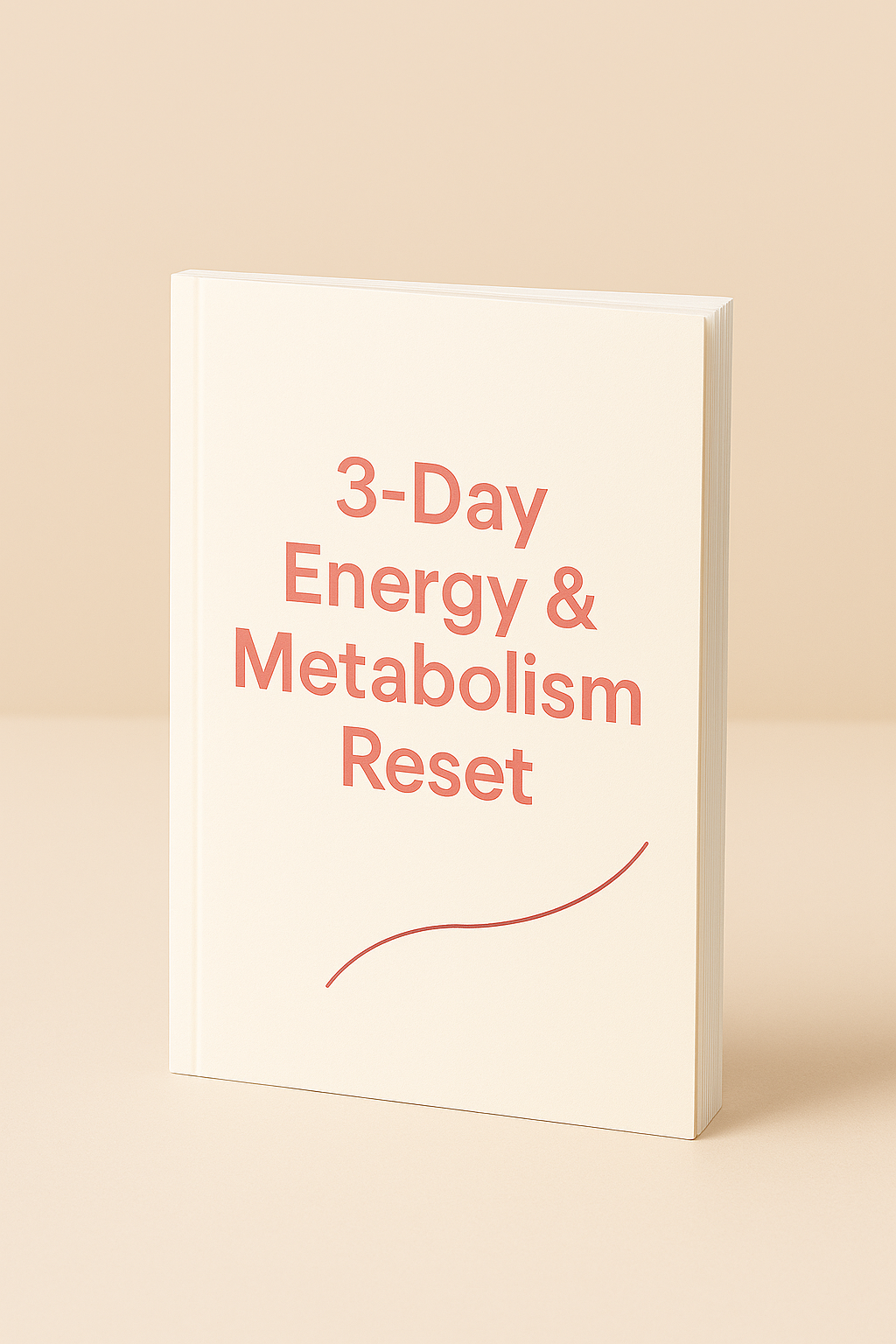
3-Day Energy & Metabolism Reset
Grab the 3-Day Energy & Metabolism Reset — a quick-start guide to feel lighter, more energized, and back in control.
Where should we send your free guide?
| Myth | Fact |
|---|---|
| Strength training is only for bodybuilders. | Strength training is beneficial for everyone, regardless of fitness goals. |
| Cardio is more important than strength training. | Both cardio and strength training are essential for a balanced fitness routine. |
| Women will bulk up from lifting weights. | Women typically build lean muscle, not bulk, due to hormonal differences. |
| Strength training is unsafe for older women. | With proper form and guidance, strength training can be safe and beneficial for older women. |
| You only need to strength train if you’re trying to lose weight. | Strength training improves overall health, not just weight loss. |
Tips to Get Started with Strength Training
Create a Balanced Routine
Your routine should include a mix of exercises that target major muscle groups. A balanced weekly routine could look like this:
- Day 1: Upper Body (e.g., push-ups, shoulder presses)
- Day 2: Lower Body (e.g., squats, lunges)
- Day 3: Core (e.g., planks, Russian twists)
- Day 4: Full Body (e.g., deadlifts, kettlebell swings)
Set Realistic Goals
Establish achievable short-term and long-term goals for your strength training journey. Use the SMART criteria:
- Specific: Define what you want to accomplish.
- Measurable: Quantify your progress (e.g., lift a certain weight).
- Achievable: Ensure your goal is realistic.
- Relevant: Align your goals with your overall health objectives.
- Time-bound: Set a clear timeline for reaching your goals.
Track Your Progress
Tracking your progress can keep you motivated. Consider keeping a workout journal or using fitness apps to log your exercises, weights, and repetitions.
Safety Tips for Strength Training
Proper Form is Essential
Always prioritize form over weight. Poor technique can lead to injuries. Consider working with a trainer for guidance or watching instructional videos.
Warm-Up and Cool Down
Before your strength training session, warm up with dynamic stretches or light cardio. After your workout, cool down with static stretching to improve flexibility and reduce soreness.
Listen to Your Body
If you experience pain (beyond typical muscle fatigue), stop the exercise and reassess. It’s crucial to differentiate between discomfort and potential injury.
A Sample Strength Training Plan for Beginners
Here’s a simple yet effective 4-week plan to get you started:
| Week | Day 1 | Day 2 | Day 3 | Day 4 |
|---|---|---|---|---|
| 1 | Upper Body: 3 sets of 10 reps (push-ups, rows) | Lower Body: 3 sets of 10 reps (squats, bridges) | Core: 3 sets (planks, crunches) | Rest |
| 2 | Upper Body: Increase weight by 5% | Lower Body: Increase weight by 5% | Core: Add 1 extra set | Rest |
| 3 | Upper Body: 4 sets of 8 reps | Lower Body: 4 sets of 8 reps | Core: Mix in new exercises (e.g., bicycle crunches) | Rest |
| 4 | Full Body: Combine exercises (e.g., deadlifts + overhead press) | Active Recovery: Yoga or light cardio | Core: 3 sets of various exercises | Rest |
FAQ
1. Can strength training help with weight loss?
Yes! Increasing your muscle mass through strength training boosts your metabolism, which can aid in weight loss.
2. What should I eat to complement strength training?
Focus on a high-protein diet that includes lean meats, legumes, and dairy, along with plenty of fruits and vegetables for overall health.
3. How long until I see results from strength training?
Most people begin to notice changes within 4-6 weeks, depending on factors like frequency and intensity of workouts, as well as nutrition.
4. Can I strength train if I have joint issues?
Yes, but it’s essential to consult a healthcare professional or a physical therapist to design a safe and tailored program.
5. Is it too late to start strength training at 40 or 50?
No, it’s never too late! Many women see significant improvements in strength, health, and quality of life by starting strength training at any age.
Key Takeaways
- Strength training is crucial for women over 30 for maintaining muscle mass and metabolic health.
- A balanced routine should include exercises for all major muscle groups 2-4 times a week.
- Track your progress and set realistic, achievable goals.
- Prioritize safety by maintaining proper form, warming up, and listening to your body.
- It’s never too late to start strength training; benefits can be seen at any age.
Zara says: Strength training is not just about physical strength; it also fosters mental resilience and enhances confidence. Embrace the journey and celebrate your progress!
HepatoBurn: Gentle Support for Steadier Days
When you’re stacking real habits—protein-forward meals, steps, and 7–9 hours of sleep—HepatoBurn is a simple add-on that supports the system behind energy, appetite, and metabolic rhythm.
Why Women 30+ Use It
- Pairs with an already-solid routine—no jitters, no crash.
- Easy to remember: 2 capsules with meals.
- Plays well with protein, walking, and strength training.
How to Use
- Timing: Breakfast & lunch are easy wins.
- Consistency: Use daily for a fair assessment.
- Stacks: Protein-first plates, post-meal walks, lights-down wind-down.
What It Isn’t
- Not a stimulant and not a magic fix.
- Best used alongside habits you’ll actually keep.
- Educational only—talk to your provider before new supplements.
Important: Educational only, not medical advice. Supplements don’t diagnose, treat, cure, or prevent diseases. Talk to your provider before changes to diet, exercise, or supplements.



















