
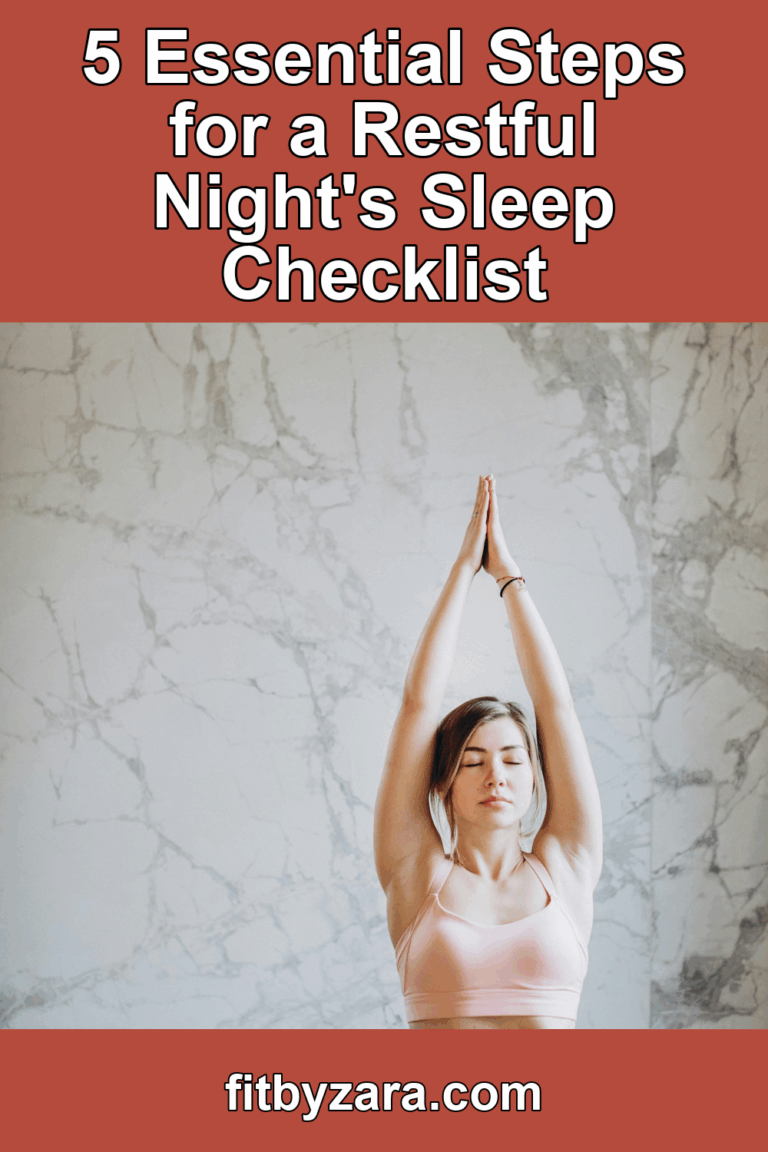
5 Essential Steps for a Restful Night’s Sleep Checklist
We all know how important sleep is for our overall well-being, yet many of us struggle to get a good night’s rest. As a woman over 30, juggling multiple responsibilities can make it even harder to wind down. To help you prioritize your sleep, we’ve compiled a checklist of essential steps to ensure you have a restful night. Implementing these strategies can transform your evenings and improve the quality of your sleep.
Evening Wind-Down Routine
Creating a calming evening routine is crucial for signaling your body that it’s time to sleep. Here’s what to include:
- Dim the lights in your home.
- Avoid screens (TV, phone, computer) at least 1 hour before bed.
- Practice relaxation techniques (meditation, gentle yoga, deep breathing).
- Read a physical book or listen to calming music.
- Set a consistent bedtime.
Evening Checklist
| Task | Status |
|---|---|
| Dim the lights | ☐ |
| Avoid screens | ☐ |
| Practice relaxation techniques | ☐ |
| Read a book | ☐ |
| Set a bedtime | ☐ |
Morning Ritual for Better Sleep
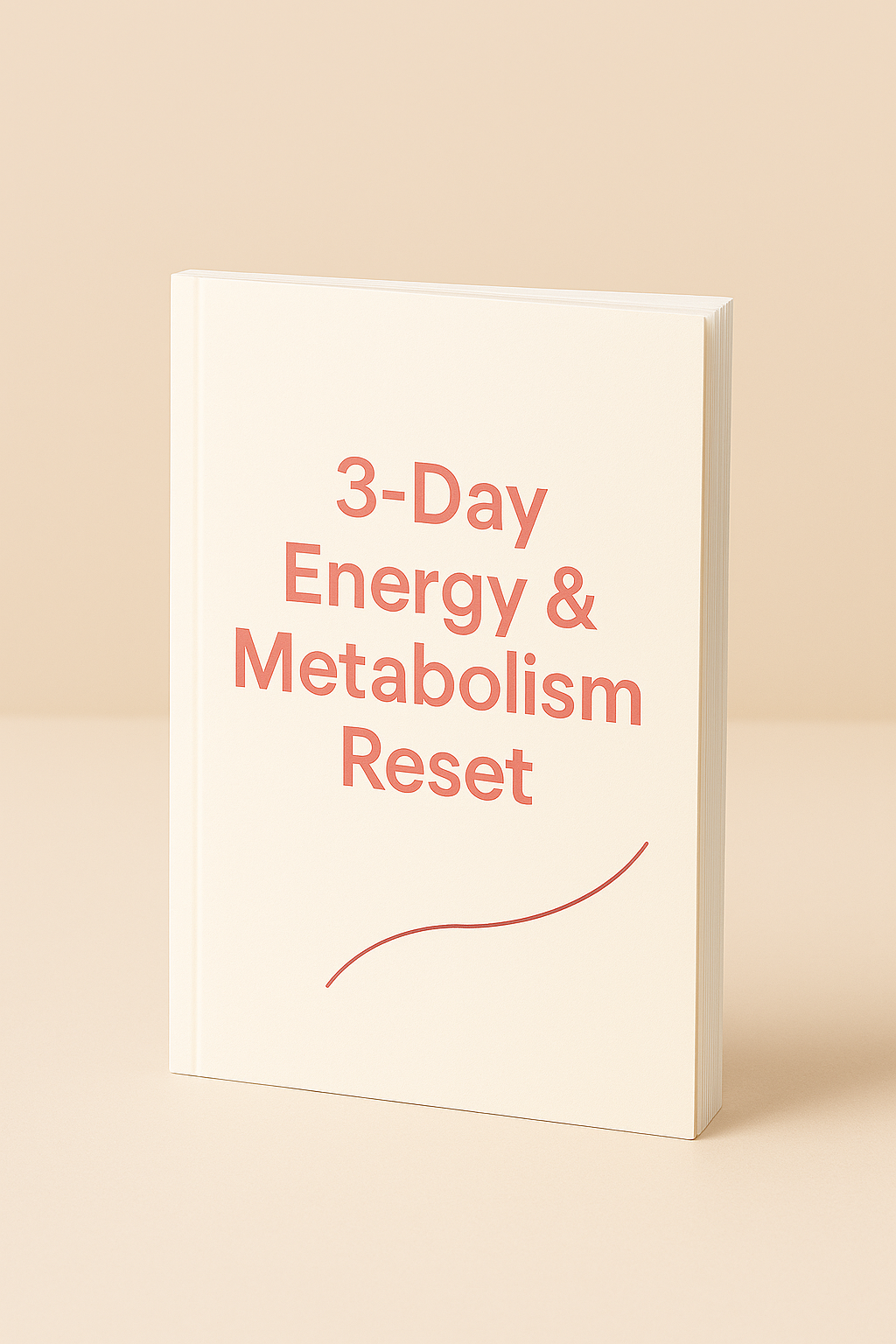
3-Day Energy & Metabolism Reset
Grab the 3-Day Energy & Metabolism Reset — a quick-start guide to feel lighter, more energized, and back in control.
Where should we send your free guide?
Your morning routine can impact your sleep quality significantly. Here’s how to start your day right:
- Wake up at the same time every day, even on weekends.
- Expose yourself to natural sunlight for at least 15 minutes.
- Drink a glass of water first thing.
- Engage in light physical activity (stretching, walking).
- Eat a healthy breakfast rich in protein and healthy fats.
Morning Checklist
| Task | Status |
|---|---|
| Wake up at the same time | ☐ |
| Get natural sunlight | ☐ |
| Drink water | ☐ |
| Light physical activity | ☐ |
| Healthy breakfast | ☐ |
Meal Planning for Sleep Quality
Your diet can play a significant role in your sleep quality. Here are some tips for evening meals:
- Avoid heavy meals 2-3 hours before bedtime.
- Limit caffeine intake after 2 PM.
- Incorporate sleep-promoting foods like bananas, almonds, and oats.
- Stay hydrated but reduce liquid intake closer to bedtime.
- Consider a light snack if hungry (e.g., yogurt or a small smoothie).
Meal Checklist
| Task | Status |
|---|---|
| Avoid heavy meals | ☐ |
| Limit caffeine | ☐ |
| Incorporate sleep-promoting foods | ☐ |
| Stay hydrated | ☐ |
| Consider a light snack | ☐ |
Incorporating Exercise for Better Sleep
Regular physical activity has profound effects on sleep. Here are some tips to integrate exercise into your routine:
- Aim for at least 150 minutes of moderate exercise weekly.
- Include a mix of cardio, strength training, and flexibility exercises.
- Try to finish exercising at least 3 hours before bedtime.
- Consider evening walks or yoga sessions for relaxation.
- Listen to your body; adjust intensity based on how you feel.
Exercise Checklist
| Task | Status |
|---|---|
| Aim for 150 minutes of exercise | ☐ |
| Include cardio and strength training | ☐ |
| Finish exercising 3 hours before bed | ☐ |
| Evening walks or yoga | ☐ |
| Listen to your body | ☐ |
FAQs
-
Caffeine-free2-capsule routineHabit-first
HepatoBurn: Gentle Support for Steadier Days
When you’re stacking real habits—protein-forward meals, steps, and 7–9 hours of sleep—HepatoBurn is a simple add-on that supports the system behind energy, appetite, and metabolic rhythm.
Why Women 30+ Use It
- Pairs with an already-solid routine—no jitters, no crash.
- Easy to remember: 2 capsules with meals.
- Plays well with protein, walking, and strength training.
How to Use
- Timing: Breakfast & lunch are easy wins.
- Consistency: Use daily for a fair assessment.
- Stacks: Protein-first plates, post-meal walks, lights-down wind-down.
What It Isn’t
- Not a stimulant and not a magic fix.
- Best used alongside habits you’ll actually keep.
- Educational only—talk to your provider before new supplements.
Important: Educational only, not medical advice. Supplements don’t diagnose, treat, cure, or prevent diseases. Talk to your provider before changes to diet, exercise, or supplements.



















