

Understanding the Importance of an Evening Routine for Quality Sleep
As the sun sets and the world begins to slow down, many of us struggle to unwind and transition from a busy day to a peaceful night. With the demands of daily life pulling us in multiple directions, establishing a calming evening routine can significantly improve our sleep quality. Whether it’s managing work stress, family responsibilities, or social engagements, creating a dedicated time for relaxation can foster better rest.
Why Having a Routine Matters
Establishing an evening routine signals to your body that it’s time to wind down, preparing both your mind and body for restorative sleep. Here are some reasons why an evening routine is essential:
- Reduces Stress: A routine helps lower anxiety and the day’s stressors, promoting a calming atmosphere.
- Improves Sleep Quality: Regular sleep patterns can enhance the quality and duration of rest.
- Encourages Mindfulness: Evening rituals foster self-reflection and mindfulness, enhancing emotional well-being.
- Boosts Productivity: A well-rested mind is more efficient and focused during the day.
Components of an Effective Evening Routine
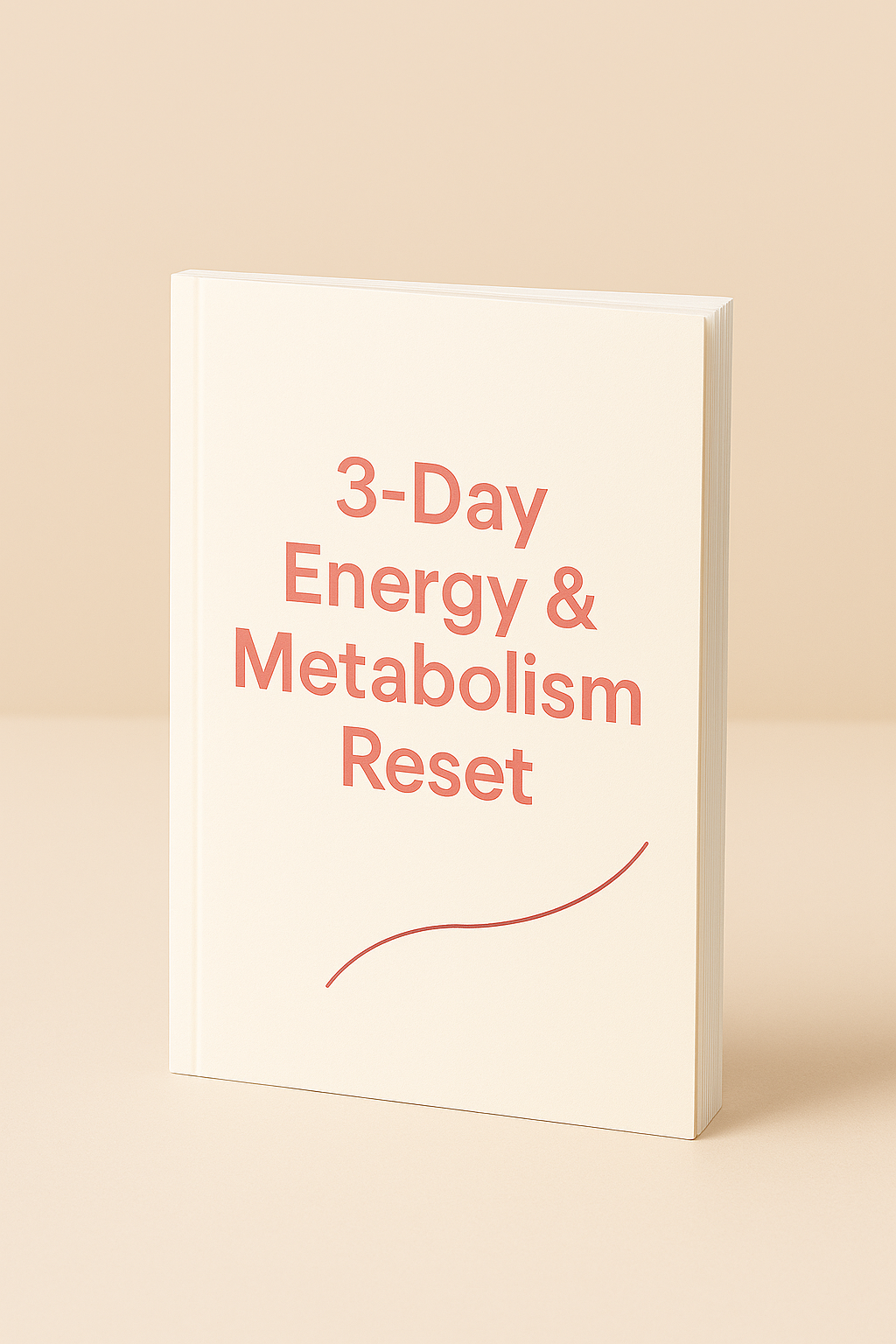
3-Day Energy & Metabolism Reset
Grab the 3-Day Energy & Metabolism Reset — a quick-start guide to feel lighter, more energized, and back in control.
Where should we send your free guide?
Creating an effective evening routine involves incorporating various habits that collectively enhance your ability to relax and sleep well. Here’s a mini-plan to guide you:
1. Set a Consistent Sleep Schedule
Go to bed and wake up at the same time every day, even on weekends. This consistency helps regulate your body’s internal clock.
2. Create a Relaxing Environment
Your bedroom should be a sanctuary for sleep. Consider the following components:
- Dim the lights or use blackout curtains.
- Keep your room at a cool, comfortable temperature.
- Minimize noise and distractions.
3. Wind Down with Calming Activities
Incorporate at least 30-60 minutes of relaxation before bed. A few activities to consider include:
- Reading a book
- Practicing yoga or gentle stretches
- Listening to soothing music or nature sounds
- Engaging in deep breathing or meditation exercises
4. Limit Screen Time
Reduce exposure to screens at least one hour before bed. Consider using the following techniques:
- Put your phone on “Do Not Disturb” mode.
- Turn off electronic devices to avoid blue light exposure.
- Explore alternatives like audiobooks or podcasts.
5. Keep a Sleep Journal
A sleep journal can help you monitor your sleep patterns and identify what works best. Here’s a simplified format:
| Date | Sleep Time | Awake Time | Sleep Quality (1-10) | Notes |
|---|---|---|---|---|
| MM/DD | 10:00 PM | 6:00 AM | 8 | Felt relaxed, no disturbances |
Myth vs. Fact: Evening Routines and Sleep
| Myth | Fact |
|---|---|
| Evening routines are only for children. | Adults can benefit greatly from having a consistent evening routine. |
| Staying up late to finish tasks improves productivity. | Sleep deprivation actually decreases overall productivity. |
| Alcohol helps you sleep better. | Alcohol may disrupt sleep patterns and affect sleep quality. |
Checklist for Your Evening Routine
Use this checklist to create or refine your evening routine:
- Set a consistent bedtime.
- Dim the lights in your home.
- Engage in a relaxing activity (e.g., reading, meditating).
- Limit screen time and digital distractions.
- Prepare your sleeping area (cool, dark, quiet).
- Reflect on your day with a sleep journal.
FAQs About Evening Routines and Sleep Quality
1. How long should my evening routine be?
Ideally, your evening routine should last between 30 minutes to 1 hour to allow ample time to unwind.
2. What are some quick relaxation techniques?
Deep breathing exercises, progressive muscle relaxation, and guided meditation are effective quick techniques.
3. Should I avoid certain foods before bed?
Yes, avoid caffeine, heavy meals, and sugary snacks close to bedtime as they can disrupt your sleep cycle.
4. Can I take a warm shower before bed?
Absolutely! A warm shower can help relax your muscles and signal your body that it’s time to wind down.
5. What if I can’t fall asleep after my routine?
If you can’t fall asleep after 20 minutes, get up and engage in a quiet activity until you feel sleepy, then return to bed.
Don’t underestimate the power of a good evening routine. Experiment with different activities and find what truly helps you relax and prepares you for sleep. Consistency will be your best friend!
Key Takeaways
- Establishing a calming evening routine is crucial for improving sleep quality.
- Consistency in sleep and wake times supports your body’s natural rhythms.
- Reducing screen time before bed can significantly enhance your ability to fall asleep.
- Incorporating mindfulness and relaxation techniques can lower stress levels.
- Keeping a sleep journal helps track patterns and improve routines over time.
Conclusion
By implementing an evening routine tailored to your needs, you can dramatically improve your sleep quality and overall well-being. Remember that it may take some time to find the right combination of activities that work for you, so be patient and willing to adjust as necessary. Sweet dreams await!
HepatoBurn: Gentle Support for Steadier Days
When you’re stacking real habits—protein-forward meals, steps, and 7–9 hours of sleep—HepatoBurn is a simple add-on that supports the system behind energy, appetite, and metabolic rhythm.
Why Women 30+ Use It
- Pairs with an already-solid routine—no jitters, no crash.
- Easy to remember: 2 capsules with meals.
- Plays well with protein, walking, and strength training.
How to Use
- Timing: Breakfast & lunch are easy wins.
- Consistency: Use daily for a fair assessment.
- Stacks: Protein-first plates, post-meal walks, lights-down wind-down.
What It Isn’t
- Not a stimulant and not a magic fix.
- Best used alongside habits you’ll actually keep.
- Educational only—talk to your provider before new supplements.
Important: Educational only, not medical advice. Supplements don’t diagnose, treat, cure, or prevent diseases. Talk to your provider before changes to diet, exercise, or supplements.



















