
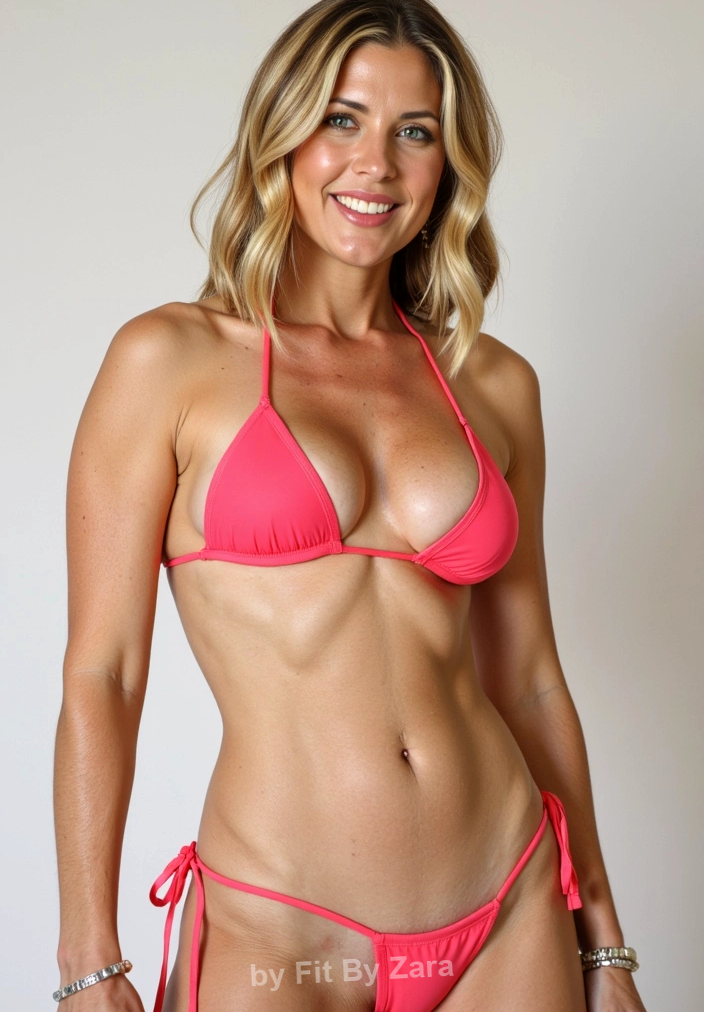
The Dance of Hormones in Our Lives
As women, our bodies are wonderfully complex ecosystems, influenced by a multitude of factors, among them our hormones. These tiny chemical messengers do a lot more than simply regulate our menstrual cycles; they also affect our mood, metabolism, energy levels, and even the way we see ourselves in the mirror. Understanding how hormones affect our changing bodies can help us embrace our health and wellness journey with more compassion and knowledge.
Understanding Hormonal Changes
Life Stages and Hormonal Shifts
From adolescence to menopause, our bodies go through significant hormonal changes that can impact how we look and feel. Puberty introduces a surge of estrogen and progesterone, triggering physical changes like breast development and the start of menstrual cycles. Fast forward to our late 20s and early 30s, and we may find ourselves grappling with fluctuations as our bodies prepare for potential motherhood. Then, as we approach perimenopause and menopause, the landscape shifts again, leading to various symptoms that can be both bewildering and frustrating.
How many of us have felt the weight of these changes? One minute we’re buoyant and energetic, and the next, fatigue and mood swings take center stage. Realizing that these fluctuations are a normal part of our life cycle can sometimes soften the sting of frustration. Instead of dismissing our feelings as ‘just hormones,’ we can acknowledge them as part of a larger narrative—a narrative that is entirely our own.
The Role of Stress
In our busy lives, stress can wreak havoc on our hormonal balance. The way we juggle jobs, family, and social commitments often leads us to prioritize everything but our own well-being. This chronic stress prompts our bodies to release more cortisol, the stress hormone, which can lead to weight gain, disrupted sleep patterns, and mood disorders.
Have you ever noticed how stress feels like a heavy blanket over your energy levels? It’s no surprise that when stress levels rise, other hormones can take a backseat, leading to a cycle that feels almost impossible to break. For women looking for real results, recognizing this hormonal interplay is a vital step. When we acknowledge that stress is a significant player, we can take steps to manage it—be it through mindfulness, exercise, or simply taking moments for ourselves.
Navigating the Hormonal Maze
Nutrition Matters
While we often hear about the importance of diet, the connection between nutrition and hormonal balance deserves more attention. Foods rich in omega-3 fatty acids, leafy greens, and whole grains can support hormonal health, while processed sugars and high-fat foods may contribute to imbalances. Think of your plate as a canvas; how can you paint it with foods that nourish your body and mind?
Consider incorporating foods like salmon, walnuts, and flaxseeds, which may support healthy hormone levels. And don’t forget about fiber! Not only does it help with digestion, but it can also aid in the elimination of excess hormones. Understanding these connections can empower you to make choices that resonate with your body rather than adhering to restrictive or extreme diets. Balance, rather than deprivation, can often yield the best results.
Movement and Its Impact
Regular physical activity plays a crucial role in balancing hormones. It’s not just about burning calories; it’s about promoting a sense of well-being. Exercise has been shown to reduce cortisol levels, improve insulin sensitivity, and boost endorphins—helping us feel more energized and centered. Think about how energized you feel after a brisk walk or a yoga session. There’s a reason for that! Movement can be a catalyst for hormonal harmony.
The key is finding a form of movement that feels enjoyable to you. Whether it’s dancing, hiking, or a simple stretching routine at home, the focus should be on how it makes you feel, not just on how it affects your appearance. Aim for consistency rather than intensity; even short bursts of activity can make a significant difference over time.
Embracing Self-Compassion
Recognizing Your Unique Journey
Every woman’s hormonal journey is unique, shaped by genetics, lifestyle, and individual experiences. It’s essential to recognize that what works for one person may not work for another, and that’s perfectly okay. Embrace your own pace and acknowledge the changes your body is experiencing without judgment. It’s natural to have days where you feel fantastic and others where you don’t; this variability is part of being human.
Have you ever stopped to appreciate how far you’ve come, even on the challenging days? This self-acknowledgment can be incredibly empowering. Your body is constantly adapting and evolving, and it’s doing its best to navigate the complexities of life. Staying informed and being gentle with yourself can foster a more positive relationship with your changing body.
Finding Your Balance
As we wrap up this exploration of the role of hormones in our lives, remember that progress is about consistency, not perfection. Treat your wellness journey as a marathon, not a sprint, and allow yourself grace on this path. Consistent small changes in nutrition, movement, and stress management can lead to long-lasting benefits. Instead of fixating on extremes, focus on the everyday habits that make you feel your best.
Trust that understanding your hormones is a powerful tool, one that can guide you to make informed choices that align with your goals. Nourish your body, move in ways that feel good, and surround yourself with supportive voices—both in your community and within yourself. Each step forward, no matter how small, is a step toward a healthier, happier you.
You’re not alone on this journey. Embrace it, celebrate it, and remember that every woman’s experience is unique, just like you. Here’s to honoring our bodies and finding balance as we navigate the beautiful complexities of womanhood.



















