

No strict diet. No gym. No complicated routine.
Just a small change to your morning coffee that’s helping people
drop weight and feel more energized without trying.
How to Create an Evening Routine That Boosts Sleep Quality
Are you tired of tossing and turning every night? If sleep has become elusive for you, know that you’re not alone. Countless women over 30 experience sleep disturbances due to various life changes—stressful careers, parenting responsibilities, or hormonal fluctuations. Fortunately, establishing a soothing evening routine can significantly enhance your sleep quality. This guide will take you through essential steps to create an evening routine that promotes restful sleep.
The Importance of a Relaxing Evening Routine
A well-crafted evening routine does more than just signal your body that it’s time to sleep. It prepares your mind and body for rest. Here are some benefits:
- Reduces stress and anxiety levels.
- Improves sleep quality and duration.
- Enhances overall well-being and mood.
- Boosts cognitive function the next day.
Setting the Stage: Your Sleep Environment
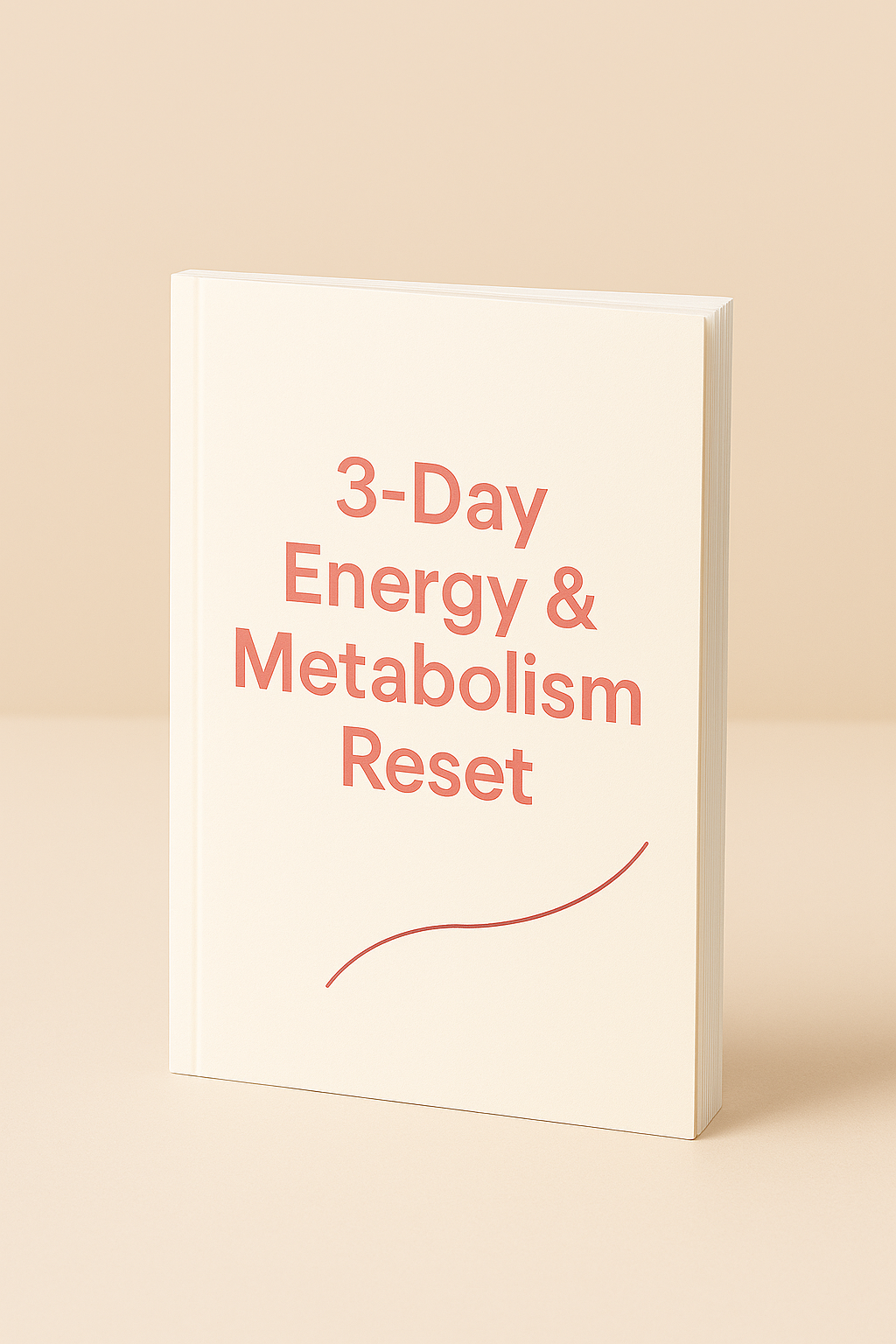
3-Day Energy & Metabolism Reset
Grab the 3-Day Energy & Metabolism Reset — a quick-start guide to feel lighter, more energized, and back in control.
Where should we send your free guide?
Your sleep environment plays a crucial role in the quality of your sleep. Here’s how to optimize your bedroom for a good night’s rest:
- Darkness: Use blackout curtains or a sleep mask to block out light.
- Comfort: Invest in a comfortable mattress and pillows that support your preferred sleeping position.
- Temperature: Keep your bedroom cool, ideally between 60-67°F (15-19°C).
- Noise: Consider using a white noise machine or earplugs to minimize disturbances.
Crafting Your Evening Routine
An effective evening routine typically includes several practices that help you wind down. Here’s a simple plan you can follow:
Your 60-Minute Evening Wind-Down Plan
- 6:30 PM – Dinner: Keep it light and avoid heavy meals.
- 7:00 PM – Light Activity: Engage in gentle movement like yoga or stretching.
- 7:30 PM – Screen-Free Time: Put away electronic devices to reduce blue light exposure.
- 8:00 PM – Mindfulness: Spend 10-15 minutes meditating, journaling, or practicing deep breathing.
- 8:15 PM – Skincare Routine: Follow a calming skincare ritual that soothes both body and mind.
- 8:30 PM – Reading: Choose a light book or magazine to help your mind unwind.
- 9:00 PM – Sleep: Aim to be in bed by this time to ensure adequate rest.
Techniques for Relaxation and Stress Relief
Incorporate these relaxation techniques into your evening routine to enhance its effectiveness:
- Deep Breathing: Spend a few minutes focusing on your breath. Inhale deeply through your nose, hold for a few seconds, and exhale slowly through your mouth.
- Gentle Yoga: Follow a short yoga routine designed for relaxation, focusing on stretching and calming poses.
- Aromatherapy: Use essential oils like lavender or chamomile in a diffuser or as a pillow spray to create a calming atmosphere.
- Progressive Muscle Relaxation: Tense and relax each muscle group in your body, starting from your toes and working your way up.
Healthy Habits to Adopt for Better Sleep Quality
A few lifestyle choices can impact your sleep quality significantly. Consider adopting the following habits:
| Habit | Benefit |
|---|---|
| Limit caffeine intake after 2 PM | Promotes better sleep onset |
| Stay hydrated but reduce water intake 1-2 hours before bed | Minimizes nighttime bathroom trips |
| Exercise regularly (30 minutes most days) | Improves sleep quality and reduces anxiety |
| Establish a consistent sleep schedule | Regulates your internal clock |
| Limit alcohol consumption | Prevents sleep disruptions |
Myth vs. Fact: Sleep and Evening Routines
| Myth | Fact |
|---|---|
| Everyone needs 8 hours of sleep. | Sleep needs vary; quality matters more than the number of hours. |
| Nighttime snacks harm sleep. | Light snacks, especially those with tryptophan, can promote sleepiness. |
| Watching TV helps me fall asleep. | Blue light from screens can disrupt melatonin production. |
| Wine helps you sleep. | While it might help you fall asleep, it can disrupt sleep stages later on. |
| All sleep is restorative. | Not all sleep is created equal; deep sleep is crucial for restoration. |
FAQs About Evening Routines and Sleep
1. How long should my evening routine be?
An evening routine should ideally last 30-60 minutes, giving you enough time to wind down before bed.
2. Can I shower before bed to help sleep?
Yes! A warm shower can raise your body temperature; when it cools down afterward, it signals your body that it’s time for sleep.
3. What if I can’t fall asleep after my routine?
If you find yourself unable to sleep after 20 minutes, get out of bed and do a calming activity in low light until you feel sleepy.
4. How does nutrition impact sleep quality?
Nutritional choices can influence your sleep. Heavy meals too close to bedtime and excessive caffeine or alcohol can impair sleep quality.
5. Is it normal to wake up during the night?
Waking up briefly during the night is common. However, if it happens frequently or for long periods, it may be worth consulting a healthcare professional.
Key Takeaways
- Establish a calming evening routine that lasts 30-60 minutes.
- Optimize your bedroom environment for darkness, comfort, temperature, and noise control.
- Incorporate relaxation techniques like deep breathing and gentle yoga.
- Adopt healthy habits that support better sleep quality, including a consistent sleep schedule.
- Dispelling myths about sleep can help you make informed decisions about your nighttime rituals.
Zara says: Remember, creating your ideal evening routine takes time and experimentation. Listen to your body, and adjust your practices as needed. The most important part is being consistent and patient with yourself on this journey to better sleep.
HepatoBurn: Gentle Support for Steadier Days
When you’re stacking real habits—protein-forward meals, steps, and 7–9 hours of sleep—HepatoBurn is a simple add-on that supports the system behind energy, appetite, and metabolic rhythm.
Why Women 30+ Use It
- Pairs with an already-solid routine—no jitters, no crash.
- Easy to remember: 2 capsules with meals.
- Plays well with protein, walking, and strength training.
How to Use
- Timing: Breakfast & lunch are easy wins.
- Consistency: Use daily for a fair assessment.
- Stacks: Protein-first plates, post-meal walks, lights-down wind-down.
What It Isn’t
- Not a stimulant and not a magic fix.
- Best used alongside habits you’ll actually keep.
- Educational only—talk to your provider before new supplements.
Important: Educational only, not medical advice. Supplements don’t diagnose, treat, cure, or prevent diseases. Talk to your provider before changes to diet, exercise, or supplements.
Why Not Make It Burn Fat Too?
This works with what you’re already doing every morning.
That’s why so many people are switching to this simple coffee add-in.



















