
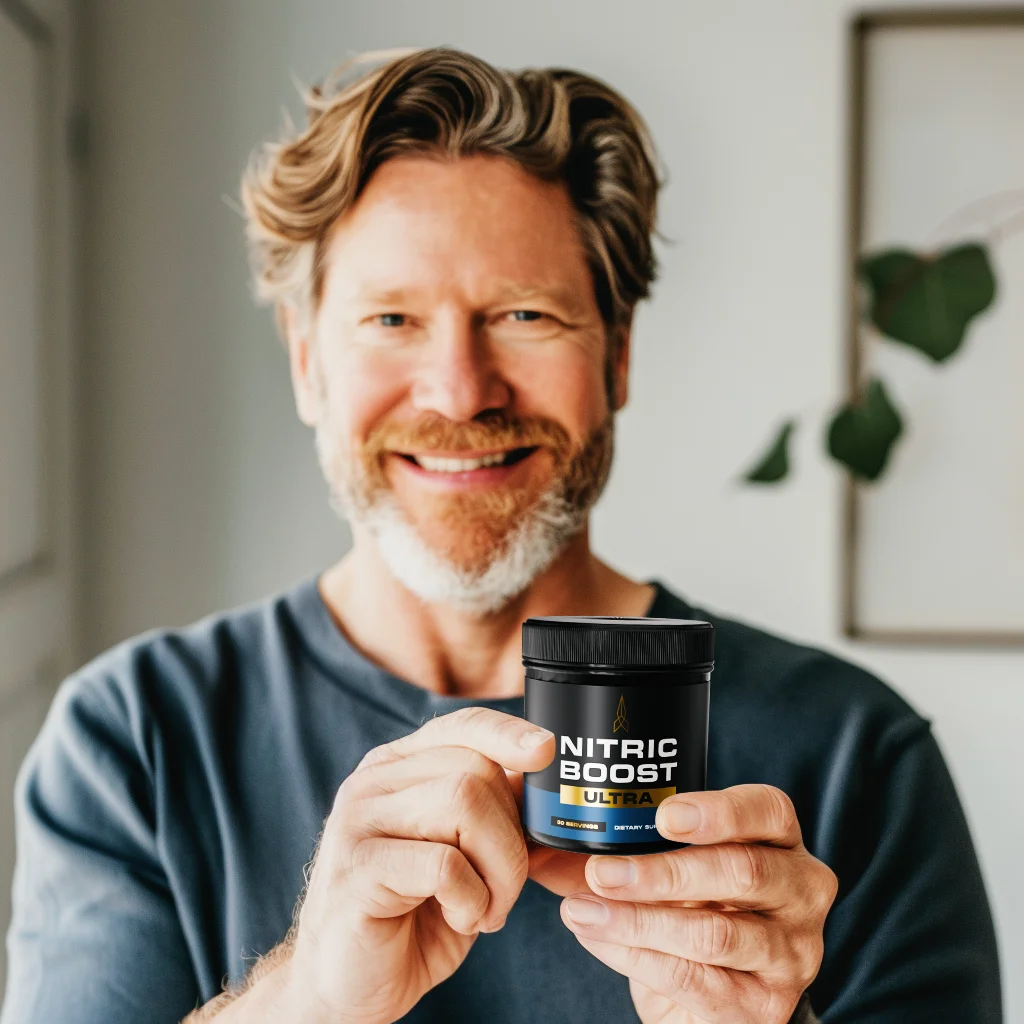

Understanding Stamina and Performance
Stamina is the cornerstone of vitality, particularly as we transition through the years. It encompasses not only physical endurance but also mental resilience. For men aged 35 to 65, it’s common to feel that once-vibrant energy wane, often manifesting as fatigue, slower workouts, or even brain fog. These changes can be discouraging, but understanding the physiological underpinnings of these symptoms can illuminate a path forward without the need for radical lifestyle overhauls.
The Impact of Stress on Stamina
Stress, whether from work, relationships, or life’s myriad demands, plays a significant role in how we feel both physically and mentally. When under stress, our bodies produce cortisol, a hormone that, while necessary in small doses, can lead to fatigue and decreased stamina when chronically elevated. Imagine your body as a battery; stress depletes that battery, leaving less energy for workouts, daily tasks, and even social interactions.
Managing Stress: Practical Approaches
While it may seem daunting, incorporating small adjustments into your daily routine can help manage stress effectively. Simple practices such as mindfulness or focused breathing exercises can be powerful tools. Even a few minutes spent in nature or engaging in a hobby can provide a mental reset. The key is consistency—these practices don’t require an hour of your day but can fit seamlessly into existing routines.
The Role of Sleep in Recovery
Adequate sleep is vital for stamina, yet many men in this age group report sleep disruptions. As we age, sleep patterns can shift, leading to lighter sleep or difficulty falling asleep. Poor sleep impacts metabolic health and overall energy levels. It’s during sleep that our bodies repair tissues and consolidate memories; without quality rest, we might feel sluggish and less capable during the day.
Improving Sleep Quality
Creating a conducive sleep environment can significantly boost your stamina. Consider evaluating your bedroom for factors that might inhibit good rest, such as excessive light or noise. Establishing a bedtime routine—like reading a book or dimming the lights—can signal to your body that it’s time to wind down. A consistent sleep schedule, going to bed and waking at the same time every day, can also help regulate your body’s internal clock.
Desk Work and Physical Activity
Many men find themselves tethered to desks for hours on end, which can adversely affect both physical health and stamina. Sitting for extended periods not only contributes to weight gain, particularly around the abdomen, but also compromises metabolic health. It’s a cycle that feeds into itself: less movement leads to lower energy and motivation, which makes it easier to opt for sedentary pastimes.
Integrating Movement into Your Day
Finding ways to incorporate more movement during your day can be transformative. This doesn’t mean committing to an hour at the gym daily; instead, think about small adjustments like taking the stairs instead of the elevator or setting a timer to remind yourself to stand and stretch every hour. These actions accumulate and can help increase your overall energy levels and stamina.
Navigating Alcohol Consumption
Alcohol is another contributing factor that can drain stamina. While many men enjoy social drinks, it’s essential to recognize how alcohol affects not just sleep but also energy levels and mental clarity. Regular consumption can lead to a cycle of disrupted sleep, impacting your ability to recover and maintain stamina.
Mindful Drinking
Practicing mindful drinking doesn’t have to mean eliminating alcohol entirely but rather understanding its effects on your body. Consider reducing your consumption or choosing lower-alcohol options. You might find that even small adjustments lead to noticeable changes in how you feel, both physically and mentally.
Aging and Performance
Aging is another inevitable factor that can influence stamina. As men age, metabolic rates may slow down, and muscle mass can gradually decline. While the physical changes can be frustrating, they also present an opportunity to reassess habits and focus on performance rather than solely on aesthetics.
Emphasizing Balanced Nutrition
A key element in maintaining stamina during the aging process is nutrition. Rather than embarking on drastic diets, aim for balance. Incorporate nutrient-dense foods that support energy levels. Think of whole grains, lean proteins, healthy fats, and a variety of fruits and vegetables. Staying hydrated also plays a crucial role in how alert you feel. Remember, food is fuel; what you consume profoundly impacts your energy reserves.
Reclaiming Your Momentum
In summary, stamina doesn’t have to diminish as you age, nor does improving it require an all-encompassing lifestyle overhaul. By managing stress, enhancing sleep quality, integrating movement, being mindful about alcohol, and nourishing your body, you can gradually reclaim your energy and performance. The goal is to cultivate consistent, rational habits that fit into your daily life rather than seeking extreme changes that can be unsustainable.
As you embark on this journey, remember that small adjustments can yield significant results over time. Commit to being patient with yourself, and recognize that consistency is key. Reignite your stamina at a pace that feels manageable, and watch as your energy, confidence, and overall health improve. The road to vitality is not a sprint but a marathon, and every step you take is a move toward a more energetic and fulfilling life.



















