

Walking: A Simple Path to Wellness
As women over 30, juggling multiple responsibilities can often leave little room for self-care. However, incorporating walking into your daily routine can be a transformative experience for your physical and mental well-being. Let’s explore how walking can enhance your life through common questions and answers.
How Walking Can Transform Your Wellbeing
Q: How often should I walk for optimal health benefits?
A: Aim for at least 150 minutes of moderate-intensity walking per week. This breaks down to about 30 minutes a day, five days a week. If that’s too much, start small with 10-15 minute walks and gradually increase your duration.
Q: What are the mental health benefits of walking?
A: Walking is known to reduce symptoms of anxiety and depression. It boosts serotonin levels, improves your mood, and enhances cognitive function. Even a short walk can clear your mind and lift your spirits.
Q: Can walking help with weight management?
A: Yes, walking can effectively aid in weight loss and management. It burns calories, increases metabolism, and can help prevent weight gain when combined with a balanced diet. Consistent walking promotes muscle tone, enhancing your overall appearance.
Q: Is walking suitable for everyone?
A: Absolutely! Walking is low-impact and can be adapted to fit any fitness level. It’s a great option for those new to exercise or those who may have limitations due to age or health conditions.
Q: Should I walk alone or with someone?
A: Both options have benefits! Walking alone allows for personal reflection and mindfulness, while walking with others can enhance motivation and accountability. Find what works best for you!
Myth vs. Fact: Walking Edition
| Myth | Fact |
|---|---|
| Walking isn’t real exercise. | Walking is a legitimate form of moderate exercise that provides numerous health benefits. |
| You need special equipment to walk. | All you need is a comfortable pair of shoes to start walking. |
| Walking is too easy to be effective. | Even light walking can improve cardiovascular health and increase longevity. |
| Walking outside is better than walking indoors. | Both are effective! The important thing is to get moving, regardless of the location. |
Tips for Incorporating Walking into Your Daily Routine
1. Set Goals
- Start with daily or weekly walking targets.
- Use a pedometer or smartphone app to track your steps.
- Adjust your goals as you progress.
2. Create a Walking Schedule
- Schedule walks into your calendar like any important appointment.
- Choose specific days and times when you can walk consistently.
- Be flexible! If you miss a session, simply reschedule.
3. Join a Walking Group
- Look for local walking groups or community events.
- Invite friends or family to join for social support.
- Use online platforms to find virtual walking challenges.
4. Make it Enjoyable
- Choose scenic routes or parks for a pleasant atmosphere.
- Listen to music, podcasts, or audiobooks while walking.
- Incorporate walking into other activities, such as running errands or walking the dog.
5. Track Your Progress
- Keep a walking journal to note distance, time, and feelings after walks.
- Celebrate milestones, like achieving a certain number of steps in a day.
- Share your progress with friends or on social media for motivation.
FAQ
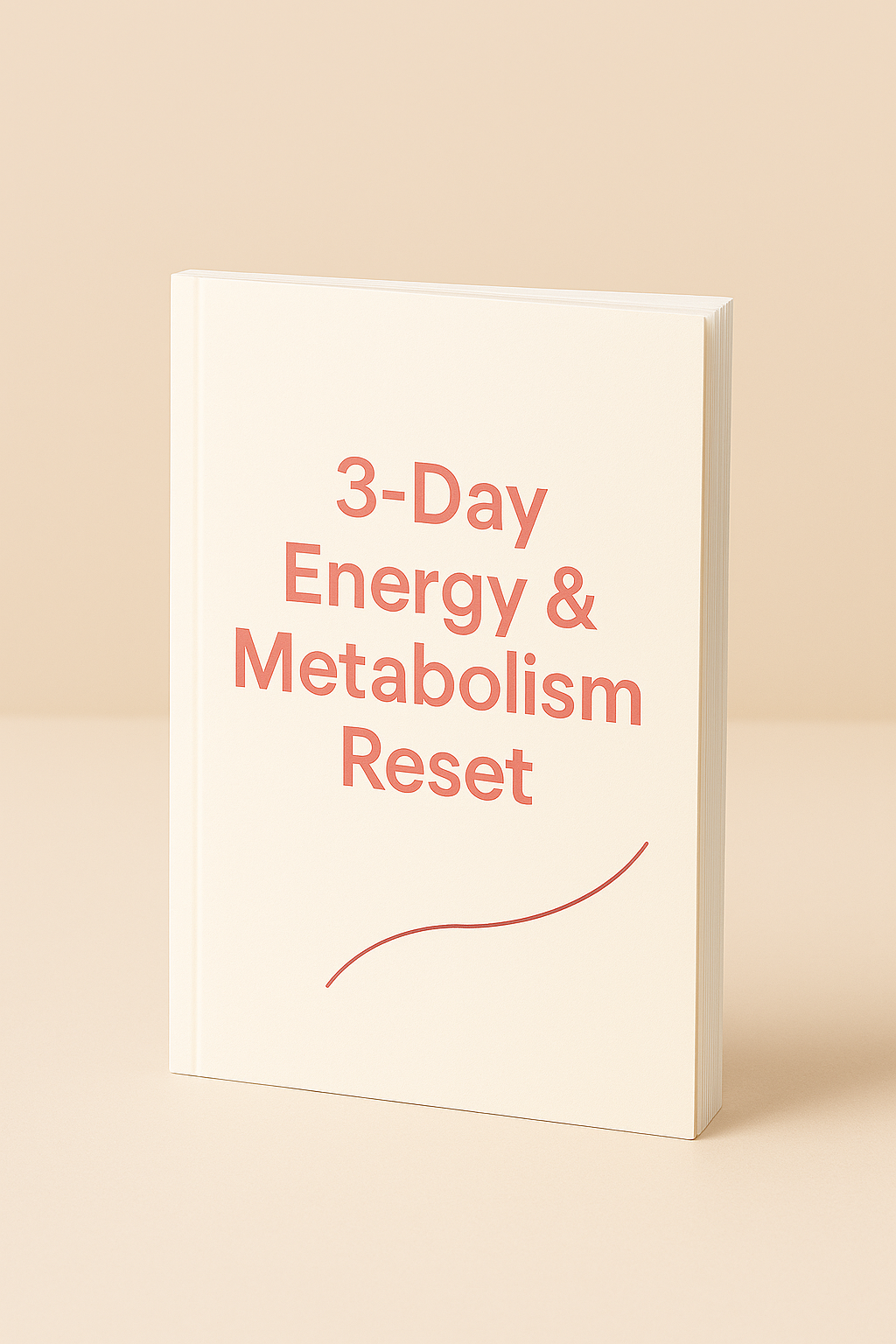
3-Day Energy & Metabolism Reset
Grab the 3-Day Energy & Metabolism Reset — a quick-start guide to feel lighter, more energized, and back in control.
Where should we send your free guide?
1. How long does it take to see benefits from walking?
A: Many people notice improvements in mood and energy levels after just a few walks. Physical health benefits may take a few weeks but will be significant over time.
2. Can I walk after a meal?
A: Yes! Walking after meals can aid digestion and help stabilize blood sugar levels.
3. Is it better to walk fast or slow?
A: Fast walking generally provides more cardiovascular benefits, but any walking at a comfortable pace is beneficial.
4. What’s the best time of day to walk?
A: The best time is whenever you can consistently fit it into your schedule. Morning walks can kickstart your day, while evening walks can help you unwind.
5. Should I stretch before walking?
A: Light stretching or warm-up exercises can be beneficial, especially for beginners, but make sure to keep it gentle.
Key Takeaways
- Walking can significantly boost your physical and mental health.
- Setting realistic goals can help you stay motivated and accountable.
- Incorporating walking into your daily routine is vital for long-term success.
- Both social and solitary walking have their unique benefits.
- Tracking progress can enhance your experience and commitment.
HepatoBurn: Gentle Support for Steadier Days
When you’re stacking real habits—protein-forward meals, steps, and 7–9 hours of sleep—HepatoBurn is a simple add-on that supports the system behind energy, appetite, and metabolic rhythm.
Why Women 30+ Use It
- Pairs with an already-solid routine—no jitters, no crash.
- Easy to remember: 2 capsules with meals.
- Plays well with protein, walking, and strength training.
How to Use
- Timing: Breakfast & lunch are easy wins.
- Consistency: Use daily for a fair assessment.
- Stacks: Protein-first plates, post-meal walks, lights-down wind-down.
What It Isn’t
- Not a stimulant and not a magic fix.
- Best used alongside habits you’ll actually keep.
- Educational only—talk to your provider before new supplements.
Important: Educational only, not medical advice. Supplements don’t diagnose, treat, cure, or prevent diseases. Talk to your provider before changes to diet, exercise, or supplements.



















