
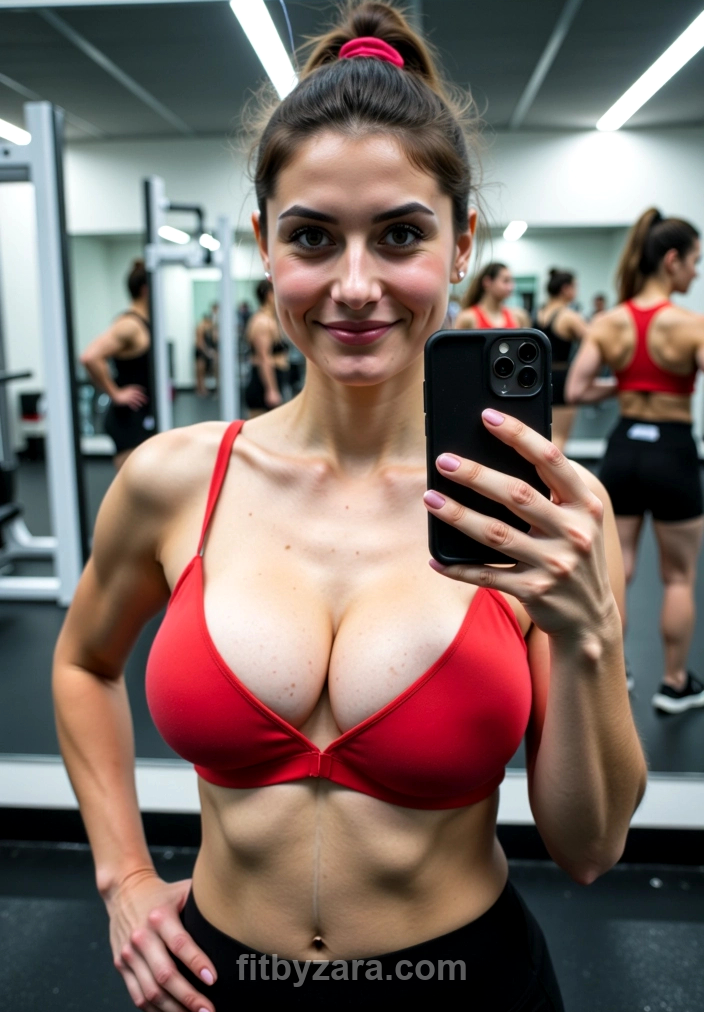
Understanding Water Retention
Let’s be real for a moment: dealing with water retention can feel like a frustratingly familiar dance. You wake up one day, look in the mirror, and feel as if a balloon has taken residence in your body. Your clothes fit differently, and those jeans that usually slide on easily now seem to mock you from the corner of your closet. While it’s a common issue, especially for women juggling the complexities of stress, hormonal fluctuations, and daily life, it’s one that can leave you feeling uncomfortable and self-conscious.
Water retention, or edema, can be influenced by various factors, such as diet, stress levels, and even our monthly cycles. A big part of this is how we hydrate—or, in some cases, how we don’t. Shifting my perspective on hydration has made a significant impact on my own experience with water retention. Let’s explore how you can approach this topic, not through extremes, but in a balanced, thoughtful way.
Rethinking Hydration
It’s Not Just About Drinking More Water
When we think of hydration, the common mantra usually revolves around drinking more water. While this is undeniably essential, it’s not just about quantity; quality and timing matter, too. When my water retention was at its worst, I realized that I was often reaching for plain water without considering what my body truly craved. Hydration goes beyond merely filling up a bottle; it encompasses nourishing our bodies with the right balance of electrolytes and nutrients.
Have you ever noticed how after indulging in a salty meal, your body seems to cling to water as if it’s the last lifeboat on a sinking ship? That’s your body’s natural response to maintain balance. By becoming more savvy about what we consume and ensuring we include hydrating foods, such as fruits and vegetables, we can create a more nuanced approach to hydration. Think watermelon on a hot day or cucumbers in a salad—these foods are packed with water and also provide essential vitamins and minerals.
Listening to Your Body’s Signals
While the phrase “listen to your body” can sometimes feel like vague advice, taking the time to understand the signals your body is sending can be incredibly empowering. Changes in water retention can reflect shifts in what we’ve consumed, how much we’ve moved, and even emotional factors like stress. Keeping a journal can help track these patterns; you may start noticing correlations between what you eat, how much you drink, and how you feel overall.
Take a moment to reflect: when do you feel most bloated? Is it after a big meal? Or perhaps on days when you’ve been particularly stressed? By identifying these triggers, you can adjust your habits more intentionally rather than relying on rigid rules or extremes that often lead to frustration.
The Impact of Lifestyle Choices
Stress and Hormones: The Unseen Players
As women, we often face a unique set of challenges stemming from our hormonal cycles, which can influence cravings, moods, and yes—water retention. Coupled with the everyday stressors of life, we may find ourselves in a tug-of-war between our physical and emotional well-being. Stress, for example, can lead to increased cortisol levels, which can affect fluid balance in the body.
Incorporating stress-reducing techniques into our daily routine can be a game-changer. Whether it’s a few minutes of meditation, a gentle yoga session, or simply taking a walk outside, these small moments of self-care remind our bodies that it’s okay to relax. Doing so can help counteract some of the physical effects of stress, including bloating.
Building a Hydration Routine
Creating a sustainable hydration routine doesn’t need to be rigid or daunting. It’s about integrating little habits into your day. Start by setting reminders on your phone to drink water throughout the day, but also remember to sip herbal teas or infuse your water with citrus for a refreshing twist. These small alterations can make it feel less like a chore and more like a delightful part of your day.
Consider pairing your hydration with other activities, like enjoying a glass of water while winding down after a long day or sipping tea during a break at work. This way, you create a routine that feels seamless and enjoyable rather than a series of obligations.
Celebrating Progress Over Perfection
As with any aspect of wellness, remember that progress is a journey, not a destination. It’s easy to feel overwhelmed by the desire for immediate results, especially when it comes to our appearance and how we feel physically. Instead of measuring success by the scale or how you look in a particular outfit, shift that focus towards how you feel. Are you moving better? More energized? Less bloated? These are the wins that matter.
Ultimately, hydration should be about nourishing your body and cultivating a sense of well-being. Embrace the small changes that align with your lifestyle and make you feel good. When you prioritize how you feel over rigid standards of perfection, the journey becomes much more rewarding.
Together, let’s redefine how we think about hydration and embrace a healthier, more balanced approach to our wellness. Celebrate the little victories along the way—the days you feel lighter, more energized, and in tune with your body. After all, this is about nurturing a sustainable lifestyle that empowers you to thrive, not just survive.



















