

No strict diet. No gym. No complicated routine.
Just a small change to your morning coffee that’s helping people
drop weight and feel more energized without trying.
Introduction
Feeling drained by midday? You’re not alone. Many women over 30 struggle with maintaining sustained energy throughout the day. Busy schedules, stress, and hormonal changes can all impact how energized we feel. Luckily, the right nutrition can make a significant difference. This guide will help you understand what to eat for sustained daily energy, so you can power through your day with vitality.
Understanding Energy Sources
What are the key nutrients for energy?
- Carbohydrates: The body’s primary energy source, providing quick fuel.
- Proteins: Help maintain muscle mass and provide lasting energy.
- Fats: Essential for long-term energy and brain health.
- Vitamins & Minerals: Support metabolic processes and energy production.
Myth vs. Fact
| Myth | Fact |
|---|---|
| Carbs are bad for energy. | Carbs are essential for providing quick energy. |
| Skipping meals boosts energy. | Regular meals prevent energy crashes. |
| High-fat diets cause low energy. | Healthy fats support sustained energy levels. |
Meal Planning for Sustained Energy
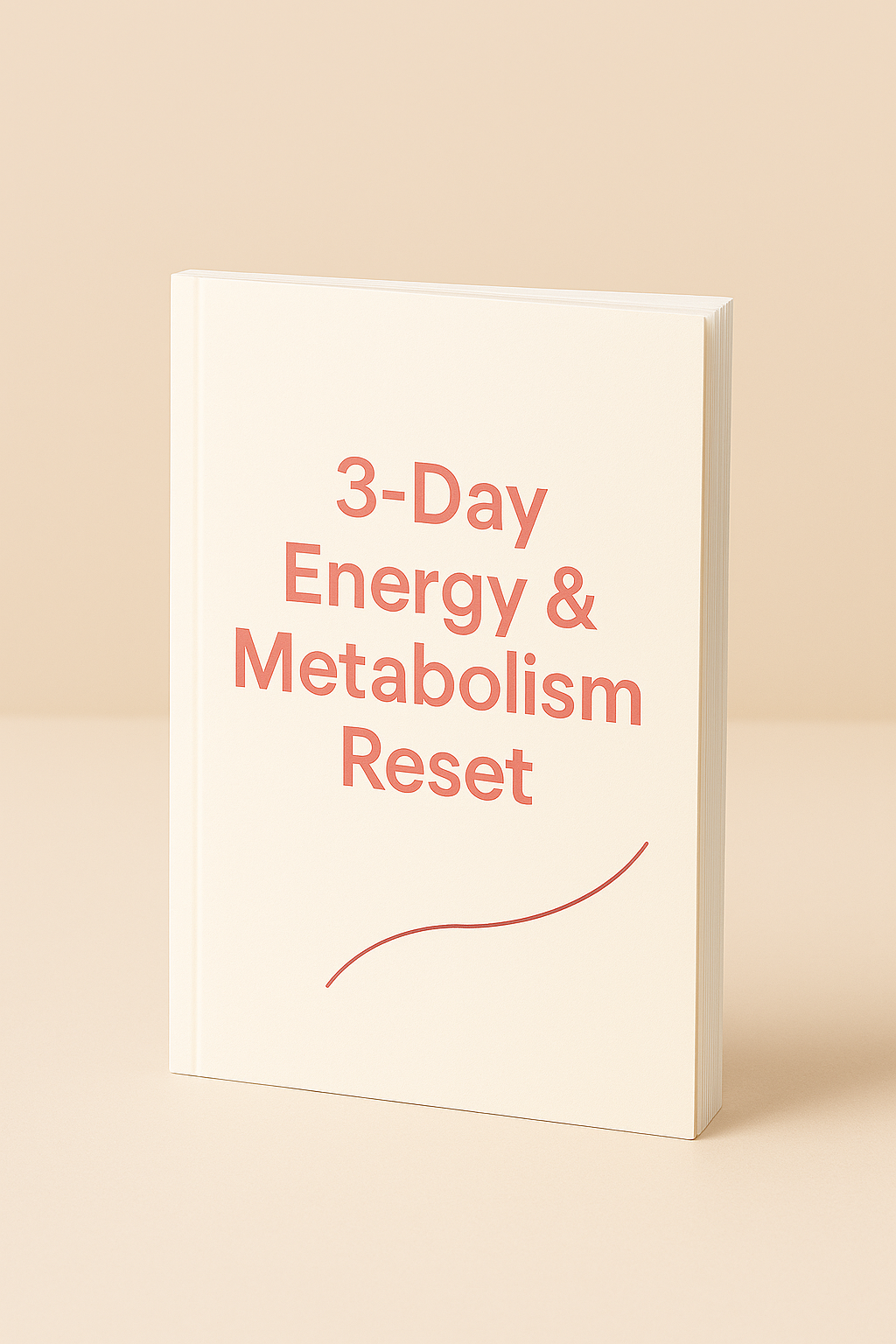
3-Day Energy & Metabolism Reset
Grab the 3-Day Energy & Metabolism Reset — a quick-start guide to feel lighter, more energized, and back in control.
Where should we send your free guide?
What should a balanced meal look like?
A balanced meal includes a mix of macronutrients. Here’s a simple formula:
- 50% Carbohydrates: Whole grains, fruits, and vegetables.
- 25% Protein: Lean meats, legumes, dairy, or plant-based protein sources.
- 25% Healthy Fats: Avocados, nuts, seeds, and olive oil.
Sample Daily Meal Plan
| Meal | Example |
|---|---|
| Breakfast | Oatmeal with berries and almond butter. |
| Lunch | Quinoa salad with chickpeas, spinach, and olive oil. |
| Snack | Greek yogurt with a sprinkle of nuts. |
| Dinner | Grilled chicken with sweet potatoes and broccoli. |
Hydration and Energy Levels
How does hydration affect energy?
Dehydration can lead to fatigue and decreased energy levels. Aim to drink at least 8 cups of water daily. Consider these hydration tips:
- Start your day with a glass of water.
- Carry a reusable water bottle.
- Infuse water with fruits for added flavor.
Smart Snacking for Energy
What are good snack options?
Healthy snacks can keep your energy levels stable between meals. Here are some energy-boosting snack ideas:
- Apple slices with almond butter.
- Carrot sticks with hummus.
- Trail mix with nuts and dried fruit.
Key Takeaways
- Include a mix of carbohydrates, proteins, and healthy fats in each meal.
- Stay hydrated to prevent fatigue.
- Regular meals and healthy snacks can maintain energy levels.
- Keep meal prep simple with easy, balanced recipes.
- Listen to your body and adjust portions based on your activity level.
FAQ
1. How often should I eat to maintain energy?
Eating every 3-4 hours can help maintain steady energy levels.
2. Can caffeine help with energy?
Yes, but moderation is key. Too much caffeine can lead to crashes;
3. What foods should I avoid for better energy?
Avoid high-sugar snacks and processed foods that can lead to energy crashes.
4. Is it necessary to eat breakfast for energy?
While not mandatory, a nutritious breakfast can jumpstart your metabolism and energy levels.
5. Can exercise impact my energy levels?
Absolutely! Regular exercise can boost your overall energy and reduce fatigue.
HepatoBurn: Gentle Support for Steadier Days
When you’re stacking real habits—protein-forward meals, steps, and 7–9 hours of sleep—HepatoBurn is a simple add-on that supports the system behind energy, appetite, and metabolic rhythm.
Why Women 30+ Use It
- Pairs with an already-solid routine—no jitters, no crash.
- Easy to remember: 2 capsules with meals.
- Plays well with protein, walking, and strength training.
How to Use
- Timing: Breakfast & lunch are easy wins.
- Consistency: Use daily for a fair assessment.
- Stacks: Protein-first plates, post-meal walks, lights-down wind-down.
What It Isn’t
- Not a stimulant and not a magic fix.
- Best used alongside habits you’ll actually keep.
- Educational only—talk to your provider before new supplements.
Important: Educational only, not medical advice. Supplements don’t diagnose, treat, cure, or prevent diseases. Talk to your provider before changes to diet, exercise, or supplements.
Why Not Make It Burn Fat Too?
This works with what you’re already doing every morning.
That’s why so many people are switching to this simple coffee add-in.



















