
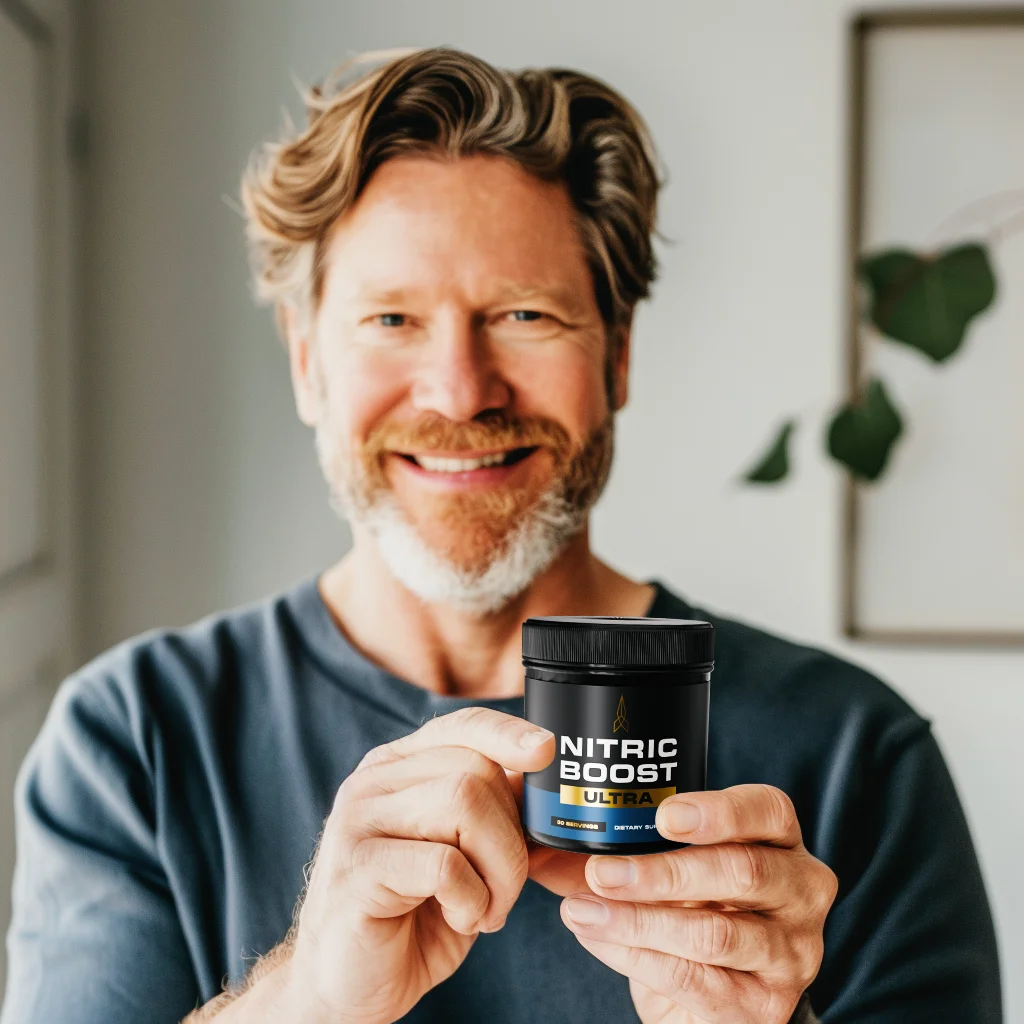

The Importance of Gut Health for Older Men
As men age, several changes are inevitable. Strength may wane, energy levels can fluctuate, and symptoms like brain fog might become more pronounced. While it’s easy to attribute these changes solely to aging, there’s another critical factor that often goes unnoticed: gut health. The state of your gut, which houses trillions of microorganisms, plays a vital role in your overall health, influencing everything from digestion to immune function. In this post, we’ll explore why as you age, caring about your gut health is not just important, but essential for maintaining strength, energy, and overall well-being.
Understanding the Gut Microbiome
What Is the Gut Microbiome?
The gut microbiome is a complex ecosystem of bacteria, fungi, viruses, and other microorganisms that reside in your digestive tract. These tiny residents are not mere bystanders; they actively contribute to your health by helping digest food, absorbing nutrients, and even producing certain vitamins. Research has increasingly highlighted how a balanced microbiome supports various bodily functions, including metabolism and immune response.
The Effects of Aging on Gut Health
As you age, the composition of your gut microbiome can change. Factors like diet, stress levels, sleep quality, and even medication use can disrupt the balance of healthy bacteria. A less diverse microbiome has been associated with various health issues, including digestive problems, inflammation, and reduced immune function. This means that as you age, you might not just be facing the challenges of getting older; you might also be dealing with a less resilient gut.
Gut Health and Common Concerns for Men
Belly Fat and Weight Management
If you’ve noticed a creeping waistline, you’re not alone. Many men find it more challenging to maintain their weight, partly due to changes in metabolism and activity levels. What’s often overlooked is the role of gut health in weight management. Certain gut bacteria can influence how your body processes food and stores fat. A healthy microbiome can help regulate metabolism and support better weight management, making it easier to maintain a healthy body composition as you age.
Energy Levels and Performance
Feeling sluggish? It’s not just about age; your gut health could be a factor. The gut is integral to nutrient absorption, including essential vitamins and minerals that fuel your body’s energy systems. If your gut is out of balance, it can lead to inefficiencies in nutrient absorption, leaving you feeling drained. Moreover, a healthy gut contributes to better digestion and reduced bloating, which can enhance your overall performance, both in and out of the gym.
Brain Fog and Mental Clarity
Experiencing brain fog? It’s frustrating and can impact your daily life. The connection between gut health and cognitive function is increasingly well-documented. The gut produces neurotransmitters like serotonin, which plays a role in mood and cognition. An imbalanced gut microbiome can influence these processes, possibly leading to mental fatigue or lack of focus. By nurturing your gut health, you might find an improvement in mental clarity and cognitive resilience.
Lifestyle Factors Affecting Gut Health
Stress and Sleep
Stress is a well-known enemy of health, but its impact on gut health is often underestimated. Chronic stress can disrupt the balance of gut bacteria, leading to gastrointestinal issues and systemic inflammation. Similarly, poor sleep quality can severely affect gut health. Sleep is the time when our bodies repair and rejuvenate, including our digestive systems. Prioritizing stress management techniques and ensuring adequate sleep can foster a healthier gut, contributing to overall well-being.
Diet and Alcohol Consumption
Your dietary choices have a profound effect on your gut. A diet high in processed foods and low in fiber can negatively impact the diversity of your gut microbiome. Conversely, a balanced diet rich in whole foods, vegetables, and fermented products can promote a thriving gut. Additionally, while moderate alcohol consumption might not be detrimental, excessive intake can harm gut health. It’s crucial to find a balance that allows you to enjoy life while still considering its impact on your gut.
Practical Steps to Support Gut Health
Caring about your gut health doesn’t require drastic changes. Instead, consider making consistent, rational adjustments to your lifestyle. Start by incorporating more fiber-rich foods into your diet, such as whole grains, fruits, and vegetables. Introduce fermented foods like yogurt or kefir, which can help replenish beneficial bacteria. Take time for stress-reducing activities, whether it’s through exercise, meditation, or simply enjoying hobbies that bring you joy.
Additionally, pay attention to your drinking habits, ensuring that you stay well-hydrated and keeping alcohol in moderation. Prioritize quality sleep by establishing a regular sleep routine. These small, sustainable habits can collectively foster a healthier gut, which might, in turn, improve your energy levels, physical performance, and mental clarity.
A Path Forward
As you move through life, it’s essential not to overlook the fundamental role of gut health in promoting longevity and vitality. Embracing habits that support your gut can lead to improved overall health without the need for extreme changes. By making gradual, informed adjustments, you can reclaim the momentum toward a healthier, more energetic life. Remember, consistent and rational habits are the key to managing your health, allowing you to face the future with confidence and vitality.



















